Red Bull faces structural disadvantage from FIA engine metrics
Red Bull Racing faces a performance ceiling due to the FIA's ADUO system, which freezes their benchmark Red Bull Ford DM01 engine. The team must now balance a $215 million cost cap while shifting development resources toward the 2027 challenger.

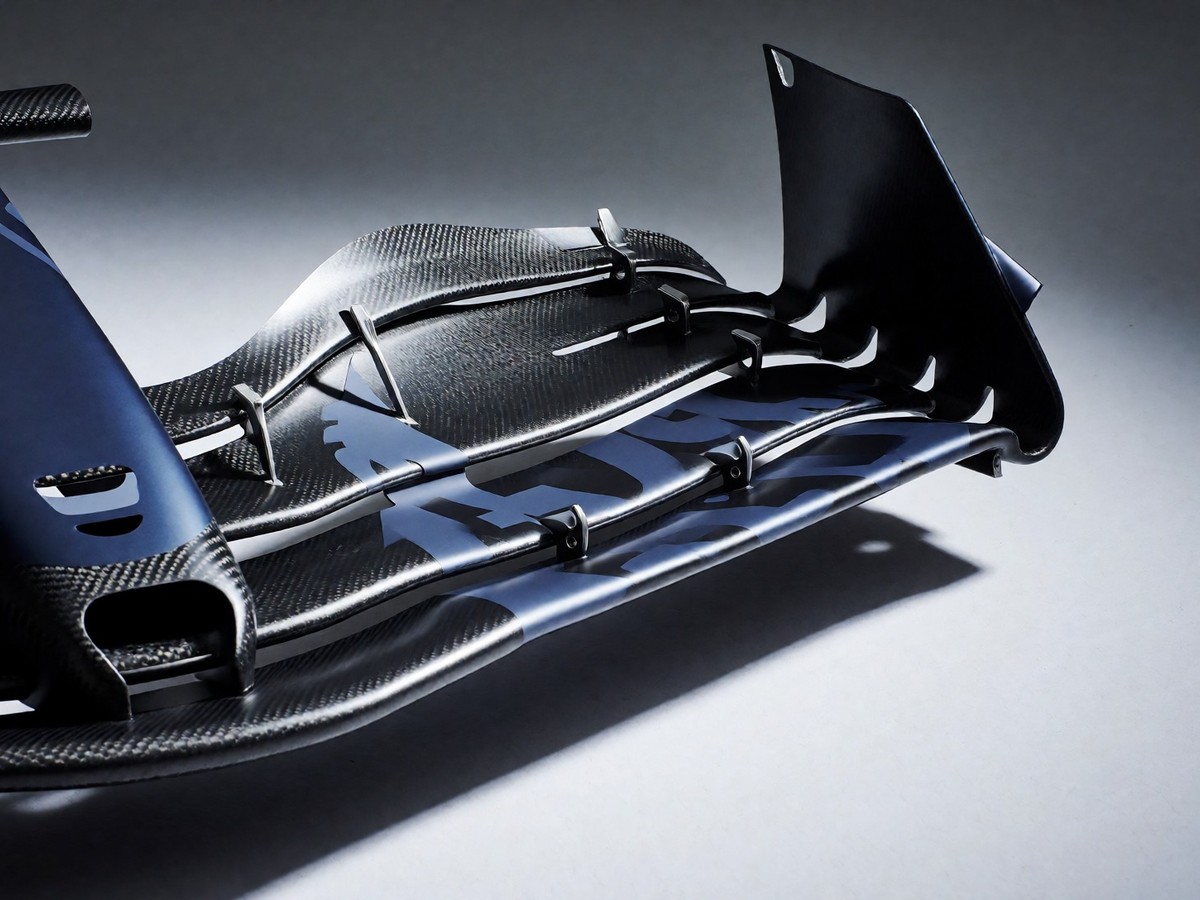
Red Bull Racing faces a structural disadvantage because the FIA’s performance metrics penalize the team for its engine superiority while forcing a premature shift to 2027 development. The team enters the final months of the season with a performance ceiling that limits its ability to fight for more points in the constructors’ championship. While the team reduced its deficit from 1.3 seconds per lap in Australia and China to two to three tenths per lap before the summer break, the remaining gap remains difficult to close. Laurent Mekies, the team principal, says it will be difficult to maintain the previous rate of development during the second half of the season. This difficulty stems from a combination of the $215 million cost cap and the FIA Additional Development and Upgrade Opportunities system.
The ADUO engine freeze limits growth
The FIA Additional Development and Upgrade Opportunities system penalizes Red Bull because the Red Bull Ford Powertrains engine acts as the performance benchmark for the grid. The FIA uses standardized torque sensors during assessment windows to create a performance index. Following these assessments, the FIA declared the Red Bull Ford DM01 engine the undisputed benchmark for power. This status means the team receives zero engine upgrades, zero extra budget, and zero extra bench hours. Rivals receive different treatment based on their measured deficits. Mercedes, which the FIA measured at more than 2% below the Red Bull benchmark, receives one upgrade token for 2026 and another in 2027. Ferrari, Audi, and Honda qualify for two upgrades per season because they remain 4% or more adrift from the benchmark. These tokens allow competitors to upgrade the entire power unit, including the turbocharger, exhaust, energy recovery systems, electronics, and cooling.
The ADUO system focuses on the internal combustion engine and ignores energy harvesting, battery efficiency, and MGU-K deployment. This creates a regulatory gap that competitors exploit. Mercedes builds its dominance through superior electrical efficiency and deployment strategies rather than raw combustion power. Because the FIA metrics ignore the electrical side, Mercedes can upgrade its combustion engine via tokens while keeping its electrical advantage. This leaves Red Bull at a disadvantage because its engine strength is locked while others improve their electrical and combustion balance. The FIA single-seater director Nikolas Tombazis says the system works as designed but admits there are weaknesses that the FIA must address in the future.
Red Bull shifts resources to the 2027 challenger
The team decided to shift its focus to the 2027 challenger earlier than they did last year to avoid the massive developmental bill they paid for their late 2025 push to secure the championship. Technical director Pierre Wache says the team paid a price for their late 2025 push to help Max Verstappen fight for a fifth world title. This decision forces a reduction in 2026 chassis upgrades. Laurent Mekies says the team will dial back development after the summer break to prioritize the RB23. The team intends to make the call on the balance between this year and next year earlier than they did last year because of the current regulations.
This strategic pivot happens alongside a tightening budget. The 2026 cost cap reaches $215 million for a full year with 24 competitions or fewer. If the calendar includes more than 24 races, the cap increases by $1.8 million for each additional competition. This $215 million cap includes performance R&D, manufacturing, and annual depreciation. It excludes driver salaries, the three highest-paid staff, marketing, and travel. Red Bull must manage these funds while rivals use tokens to bypass engine limits. The team can roll forward up to $2 million of unspent cap to the following year.
Design shifts impact the RB22 floor
Red Bull’s RB22 aerodynamics rely on a specific floor and sidepod configuration that prioritizes airflow scavenging. The team replaced the previous short chord independent support system at the front of the floor bib with a full length fairing. This change attempts to separate each side of the floor leading edge so the underfloor works independently in yaw. The bargeboard area attempts to maximize the airflow scavenging effect from the footplate. The new sidepods depart from the previous design where the leading edge undercut area connected to the coke bottle area. Instead, the design uses the wider sidepod and the bargeboards to scavenge more airflow from the front corner of the underfloor. This process improves diffuser performance by accelerating airflow into the underfloor closer to the center of the car. However, if the team pulls too much air under the car, it risks airflow separation and inconsistency.
At the rear, the car separates the airflow going over the top of the floor from the tyre squirt. This design allows the outboard and inboard tyre squirt to influence the flow. The rear includes a vane that has no connection to the exhaust system, despite what the regulations say about tailpipe placement. The front wing remains the same following the Barcelona update. The RB22 uses a multi-link pull-rod actuated suspension. Most teams returned to a pushrod front suspension, but Red Bull and McLaren previously led the trend with pullrods. The front wing also has a small opening in the nose to allow for flap adjustment.
| Specification | Detail |
|---|---|
| Constructor | Red Bull Racing |
| Engine | Red Bull Ford DM01 1.6 V6 turbo |
| Weight | 770 kg |
| Drivers | Max Verstappen, Isack Hadjar |
| Budget Cap | $215 million |
| Engine Benchmark | Red Bull Ford DM01 |
The cost cap dictates development speed
The 2026 cost cap covers all car components from the chassis to the smallest bolts. It includes mechanics, engineers, and core racing staff. It also covers garage tools, spares, and consumables. The FIA includes freight and logistics costs in the cap. The cap excludes driver salaries, the three highest-paid staff, marketing, and property costs. It excludes travel costs for personnel moving between airports and race sites. You know the cost cap restricts development, but the ADUO engine freeze adds a second layer of difficulty for the Milton Keynes squad.
Red Bull must manage these funds while rivals use tokens to bypass engine limits. In 2021, Red Bull exceeded the cap by $2.6 million and received a $7 million fine and a 10% reduction in aerodynamic testing. In 2024, Aston Martin received a fine for a procedural breach regarding paperwork. The FIA maintains flexibility to judge breaches individually. The team must submit detailed financial accounts to the Cost Cap Administration. This oversight ensures teams stay within the $215 million limit for performance-related work.
Driver frustrations persist with the chassis
Max Verstappen and Isack Hadjar face a car that lacks consistent rhythm. Verstappen complained about engine issues, balance, understeer, and oversteer throughout the season. He finished sixth in Australia and eighth in Japan. The Red Bull Ford engine caused two DNFs in the first three races. Isack Hadjar also noted the car’s limitations. Hadjar finished eighth in Shanghai and reached the finish in Suzuka. The team has only scored 16 points this season.
Verstappen remains unhappy with the car performance. He said after the Japan race that P8 is not where they want to fight. Hadjar also voiced opinions on where the RB22 lacks performance. Both drivers expect the team to find fixes for the car’s limitations. The team uses the summer break to perform a deep dive into data and simulator work. Reliability with the power unit remains a priority as the team seeks to improve its performance against Ferrari and McLaren.
Technical trends and the 2026 regulations
The 2026 regulations brought a massive design and engineering exercise. The cars comprise almost 15,000 parts, and almost none of those parts carry over from previous years. Red Bull’s RB22 follows the design work of Pierre Wache and his team. The chassis is narrower, shorter, and lighter than the previous car. The new engine formula requires a 50-50 power split between electrical and petrol energy. This requires complex Motor-Generator Unit K management.
The front wing design varies across the grid. Most teams mount the nose to the main element of the front wing. Aston Martin and Mercedes use a different configuration where the nose pylons attach to the second element. This allows the upper element to remain free to move as active aerodynamics. Red Bull’s front wing also uses a vortex tunnel on both sides to manage airflow. The team aims to minimize dirty air while maximizing downforce through these aerodynamic surfaces.
Comparing the competitive landscape
The competitive gap between Red Bull and the leaders remains a primary concern. Mercedes leads the championship with 135 points, while Red Bull sits in sixth with only 16 points. The team is currently behind both Haas and Alpine in the standings. Mercedes also holds a significant advantage in electrical deployment. This advantage makes it difficult for Red Bull to close the gap through chassis upgrades alone.
Ferrari and McLaren also present challenges. Ferrari uses tokens to attempt to close the gap to Mercedes, but they face a moving target. The team is also working to manage the development of their power unit. Red Bull remains the benchmark for the internal combustion engine, but they lack the ability to improve that component. The team must decide if they can improve the chassis enough to offset the engine freeze. Will the team find the final three tenths before the season ends?