Mandatory 2026 biometric data streaming for driver safety
The 2026 FIA technical regulations mandate biometric gloves that transmit heart rate and oxygen levels via Bluetooth. Developed by Signal Biometrics, these 3mm sensors aim to provide medical teams with vital signs to improve driver safety during high-performance racing.

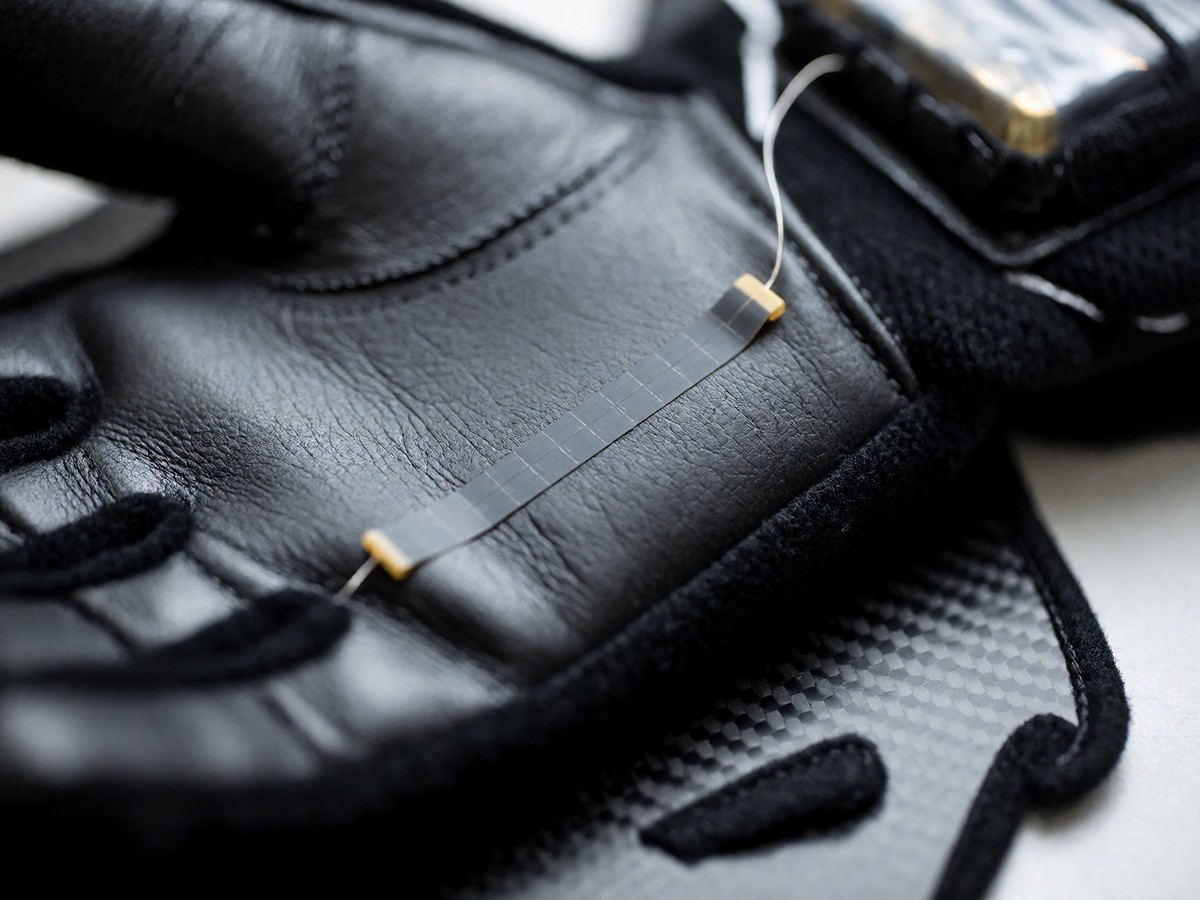
The 2026 FIA technical regulations mandate biometric gloves that transmit heart rate and oxygen levels. These requirements aim to improve driver safety during the high-performance racing season. The regulations apply to the updated chassis and power units designed for the 2026 season. Drivers face extreme physical demands as they manage cars with a minimum weight of 768kg and a maximum wheelbase of 3400mm. The 2026 cars are also narrower, with a maximum width of 1900mm.
The FIA expects the new technology to provide medical teams with access to vital signs even if a driver is not immediately accessible after an incident. This data is sent via an industrial version of Bluetooth. The system uses a small battery to power the hardware. The battery charges inductively when the driver removes the gloves and places them on a charging mat.
Sensor technology and transmission
The biometric sensors are thin and flexible. The technology was developed by Signal Biometrics with input from FIA Deputy Medical Delegate Dr. Ian Roberts and F1 Medical Car Driver Alan van der Merwe. The sensor is 3mm thick and sits inside the glove. The system transmits 20 data packets every second. The transmission radius is 500 metres.
| Feature | Specification |
|---|---|
| Sensor Thickness | 3 mm |
| Communication Protocol | Bluetooth |
| Transmission Radius | 500 metres |
| Data Transmission Rate | 20 packets per second |
| Primary Measurement | Pulse oximetry and pulse rate |
The data helps medical crews interpret physiological spikes. A heart rate increase during an overtake might reflect physical exertion in a high-G corner rather than a medical emergency. Teams must treat these signals as pieces of a puzzle. Relying on a single metric provides an incomplete picture of driver readiness.
Reliability of physiological data
The reliability of biometric data is a major hurdle for setting fatigue limits. A University College Dublin team led by Eline de Jager and Professor Brian Caulfield reviewed 206 heart-rate-variability apps. Only 93 of these apps published enough information about their methods to allow for assessment. Fewer than one third of those 93 apps set standard conditions for taking a reading, such as taking the measurement during sleep or at rest. 86% of these apps built guidance on the reading from a formula the app did not disclose.
The accuracy of wrist-worn monitors varies when compared to the electrocardiogram gold standard. In a study of 81 participants, the Polar H7 chest strap had the highest agreement with the ECG with an rc of 0.99. The Apple Watch was the next most accurate with an rc of 0.80. Other devices showed lower agreement, such as the Fitbit Blaze with an rc of 0.78, the TomTom Spark Cardio with an rc of 0.76, and the Garmin Forerunner 235 with an rc of 0.76.
Accuracy also changes during exercise. In a study of 50 athletes, the Polar H7 chest strap had an rc of 98. The Apple Watch III had an rc of 96. The Fitbit Iconic, Garmin Vivosmart HR, and Tom Tom Spark 3 all had an rc of 89. For participants with atrial fibrillation, the mean difference between the ECG and the device was 28.7 bpm at peak exercise.
Physiological impairment and alertness
Driver fatigue is a measurable physiological state that impairs cognitive function and reaction time. Fatigue is different from drowsiness or microsleep. Microsleeps are involuntary lapses in consciousness that last two to five seconds. At 90 km/h, a driver travels 125 meters during a microsleep without any control over steering or braking.
Human alertness drops 33% between 2:00 AM and 5:00 AM regardless of how many hours the driver slept. This biological reality persists even if a driver satisfies the 11-hour driving limit or the 14-hour on-duty window. Research shows that 20% of fatigued driving occurs within hours-of-service-compliant periods. A driver who completes a mandatory break but suffers from sleep apnea or anxiety remains at risk.
The National Highway Traffic Safety Administration reports that drowsy driving contributes to 100,000 accidents annually in the U.S. These accidents cause over 6,000 fatalities each year. A recent study found that nearly 20% of drivers admitted to falling asleep at the wheel. Sleep deprivation can reduce performance to the level of someone with a blood alcohol concentration of 0.10%.
Privacy regulations and data ownership
Biometric data is special category information under the GDPR and the UK Data Protection Act. This information relates to an individual’s physical identity and health. There is tension between the driver, the team, and the FIA regarding who owns and uses this information. Teams have an incentive to keep biometric data private to protect performance and competitive advantages.
The FIA may favor access to improve safety protocols. There is a risk that if the FIA or teams frame biometric information as operational data, a driver’s privacy could be sidelined. Reports showed that Charles Leclerc’s biometric data was illicitly replicated for research abroad.
Different jurisdictions have different rules for electronic monitoring. Connecticut’s SB 5 was signed on May 27, 2026. It requires deployers to disclose the use of automated employment decision tools to applicants. New York’s law has been in effect since November 5, 2025. California’s SB 243 took effect on January 1, 2026, and provides a private right of action for violations.
The psychological impact of monitoring
Monitoring technology can change how a driver perceives their own body. Researchers identified orthosomnia, which is a perfectionistic quest for ideal sleep via trackers. Patients with orthosomnia find that tracker data is more consistent with their experience than clinical testing. This phenomenon can lead to insomnia.
The technology also affects interoception, which is the ability to read internal states like heartbeat or tension. If a screen tells a driver they are tired, the driver might ignore what their body tells them directly. You know that a driver’s heart rate spikes during a dicey overtake. If a sensor tells a driver they are exhausted when they feel fine, the driver may experience a decline in confidence.
Will the FIA successfully balance the need for driver safety with the privacy rights of the athletes?
Comparisons in fatigue detection technology
Different technologies use different methods to detect impairment. Physiological monitoring uses EEG headbands or wearables to measure brainwaves or heart rate. Camera-based AI systems analyze facial cues like drooping eyelids and yawning. Telematics platforms use lane departure patterns and erratic steering as proxies for fatigue.
Eye-tracking systems offer a non-intrusive way to evaluate fatigue. A study using the D-Lab surveillance system on ten healthy men aged 19 to 24 found significant differences in pupil area during fatigue. The D-Lab system has a sampling frequency of 25 Hz. In that study, the average fixation time in the area of interest was 359.001 in a normal state and 426.993 in a fatigue state. The recognition accuracy for this approach reaches about 89% on average.
AI and machine learning can improve these systems. Machine learning algorithms learn from various data inputs to adapt to individual driver patterns. An industry study indicated that these solutions could reduce fatigue-related crashes by up to 50%. However, these systems can struggle to differentiate between fatigue and other distractions.
Judgment vs automated fatigue alerts
Effective fatigue management requires matching each risk threshold to a specific operational response. Many organizations struggle because they treat fatigue data as an isolated stream of information. In a racing environment, teams must avoid alert fatigue. If supervisors receive a constant feed of every heart rate fluctuation, they may ignore the signals that matter.
A successful system must focus on true exceptions. The most important mistake is the attempt to replace professional judgment with automated scores. A sensor can detect a change in oxygen, but it cannot explain the context of a driver’s recent workload or physical state.
The 2026 biometric glove mandate is a necessary step for safety, but it is a flawed tool if teams rely on automated scores instead of human judgment.