Mandatory FIA 2026 Cybersecurity and Telemetry Compliance
The 2026 FIA homologation cycle introduces strict cybersecurity requirements, including mandatory ISO/SAE 21434 penetration testing for all electronic control units. These regulations ensure digital integrity and competitive fairness across motorsport electronic architectures.

The 2026 FIA homologation cycle began on January 1, 2026. This cycle replaces the 2023 – 2025 framework and introduces new technical requirements for all motorsport vehicles and safety equipment. All electronic control units must undergo penetration testing per ISO/SAE 21434. Manufacturers must also obtain a Cybersecurity Management System (CSMS) certificate from an FIA-accredited body. These requirements aim to strengthen digital integrity in competition electronics. The FIA 2024 Strategic Review of Technical Governance drove these updates. The new rules also reflect the influence of the EU’s AI Act on motorsport electronics governance.
The 2026 Cybersecurity and Electronic Control Unit Mandates
The FIA requires all electronic control units to undergo penetration testing according to ISO/SAE 21434. This testing covers engine management, data loggers, and driver aids. Manufacturers must obtain a Cybersecurity Management System (CSMS) certificate from an FIA-accredited body to ensure digital integrity. These regulations ensure that the electronic architecture of a car remains secure from external interference. The 2026 technical regulations also mandate cybersecurity validation for all electronic control units to maintain competitive fairness.
The FIA homologation process involves design review, physical testing, documentation audit, and periodic revalidation. The 2026 cycle introduces three foundational innovations to the framework. First, all new monocoque chassis and carbon-fiber safety structures must include a certified digital twin model. This model must comply with ISO 23247 and pass verification via FIA-approved simulation software. Second, manufacturers must disclose material origin, recyclability rates, and embodied carbon for all primary structural and safety-critical parts under the Sustainability Annex (Annex S-26). Third, all electronic control units must receive the aforementioned CSMS certificate.
The FIA enforces hard deadlines without exception, meaning a missed submission results in immediate withdrawal from competition without any possibility of an appeal. For example, Formula 4 chassis applications closed on February 28, 2026. Rally2 applications closed on October 15, 2025. If a manufacturer misses these dates, they must withdraw until the next cycle or enter a grandfathered category with stricter performance balancing.
Managing Software and Hardware within the Standard ECU
The FIA Standard ECU manages the primary engine and systems management tasks for every team. A single FIA-approved manufacturer supplies the hardware to all teams. This hardware is identical across all cars to ensure a level playing field. While the hardware is fixed, teams write their own calibration files, fuel injection maps, and energy deployment maps. The FIA defines the software architecture and the permitted control algorithms to prevent illegal driver assistance.
The Standard ECU handles the complex management of the 350-kilowatt MGU-K output. It also coordinates the 9-megajoule per lap recovery cycle. The ECU manages the active aerodynamic system by receiving the driver’s X-mode activation request. The system verifies that the car is in an approved activation zone before sending actuation commands to the wing mechanisms. The ECU also monitors the position of the wings to ensure they return to Z-mode as the car approaches the end of an activation zone. The ECU uses GPS data and a circuit map to determine when this activation is permitted.
The distinction between permitted and prohibited software functions is narrow. Functions like traction control, which detect wheel spin and reduce power, are prohibited. Differential control maps and energy deployment profiles that respond to pre-programmed tables of driver inputs are permitted. The FIA technical delegates review all software submissions before each season begins to verify compliance.
Telemetry Systems and Radio Frequency Data Integrity
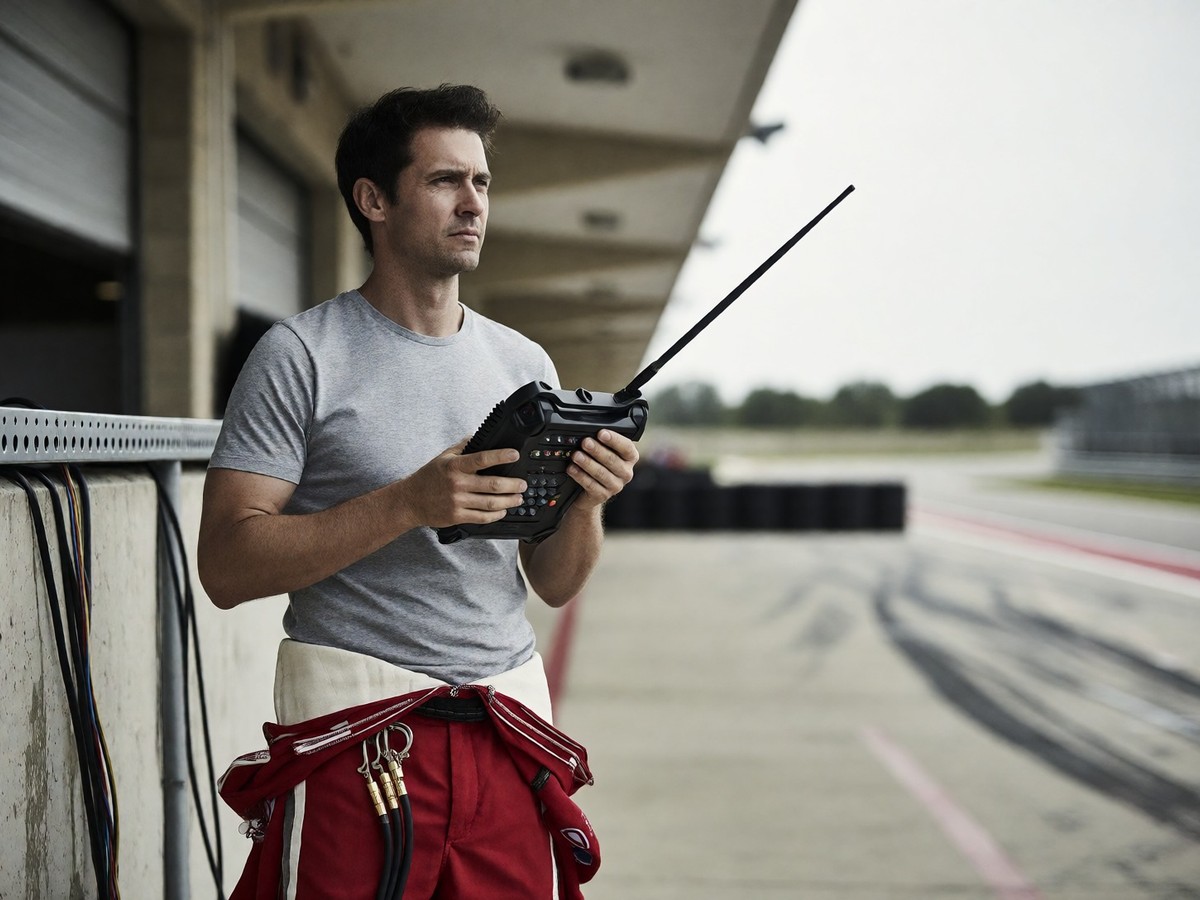
Teams transmit data from the car to the pit wall and factory through a radio frequency link. The FIA approves this telemetry system to ensure it operates on the allocated frequency spectrum. The telemetry link provides a one-way flow of data from the vehicle to the team. The FIA regulates the telemetry system to prevent the transmission of instructions to the car’s electronic control unit. The FIA regulates the telemetry system to prevent the transmission of instructions to the car’s electronic control unit, because such external commands would constitute prohibited automated assistance to the driver.
The FIA technical delegates access mandatory data channels in real time from the pit lane. This allows the FIA to monitor compliance during every session. The data transmitted via the telemetry system includes vehicle speed, gear selection, and throttle position. This real-time access ensures that no team uses the telemetry link to bypass the rules regarding automated car control.
| Data Channel Type | Requirement | Monitoring Method |
|---|---|---|
| Fuel Flow | 3000 megajoule per hour limit | FIA-supplied fuel flow meter |
| MGU-K Power | Mandatory reporting | Standard ECU data channel |
| Active Aero | Position verification | ECU and GPS data |
| Energy Store | State of charge reporting | Standard ECU data channel |
| Driver Input | Manual implementation only | Telemetry and sensor logs |
Mandatory Data Channels and Sensor Compliance
The FIA monitors mandatory data channels to verify compliance. These channels include fuel flow rate, MGU-K power levels, and the Energy Store state of charge. The system also reports the position of active aerodynamic elements and the selected gear. The FIA provides a specific homologated fuel flow meter that sits between the fuel cell and the high-pressure fuel pump. If the meter shows a value exceeding the 3000 megajoule per hour limit, the FIA declares a regulation violation. This finding is definitive regardless of what a team’s internal sensors show.
Teams also use proprietary sensor networks to optimize performance. High-frequency accelerometers on suspension components measure loads on wishbones and uprights. Thermal cameras in the wheel arches monitor brake disc temperatures. Strain gauges on structural components provide load data for fatigue life calculations. The total data rate from a modern car during a race reaches gigabytes per lap.
The FIA uses sensor data to verify the active aerodynamic system. Position sensors in the wings report continuously through the Standard ECU. This allows the FIA to check whether the wings are in permitted positions for the current activation zone. The FIA also uses this sensor data to conduct wing flexibility analysis. This check ensures that wing elements do not deflect beyond their permitted limits under aerodynamic load.
Accident Data Recorder Functionality and Impact Analysis
The Accident Data Recorder (ADR) provides a separate record of vehicle telemetry. This device operates independently from the Standard ECU. The ADR has its own power supply and memory to survive impacts that destroy other electronic systems. A deceleration threshold triggers the ADR to lock its memory and stop recording. The device records a defined set of channels in a high-frequency rolling buffer.
The FIA safety department retrieves the ADR data to reconstruct accident sequences. They analyze the car’s speed at the moment of first contact and the peak deceleration loads experienced by the driver. This information helps the FIA develop future safety regulations. The ADR housing stays secured within the survival cell in a protected location. The mounting points ensure the device stays in place even if the surrounding structure deforms. The ADR must pass structural tests during its homologation to prove it maintains data integrity after an impact.
Will the mandatory transition to these digital integrity standards require teams to completely overhaul their existing data infrastructure?
Driver Interface and Control Limits
The driver interacts with the car’s electronic systems using the steering wheel. This interface includes controls for power unit modes, energy deployment maps, and brake bias. The driver must manually implement any changes requested by the pit wall. The regulations prohibit traction control, launch control, and automatic overtaking assistance. The ECU manages the boost button by switching between pre-programmed power unit maps. The driver selects the appropriate map to switch from fuel-saving to maximum power.
The number of rotary switches and buttons on the steering wheel allows the driver to manage multiple systems. Teams design the layout so the driver can access frequently used controls without looking away from the road. This design aims to minimize the cognitive load of switching between systems at race speed. Driver coaching from the pit wall via radio typically includes instructions about specific button presses. The driver must translate these instructions into physical inputs at the wheel.
The FIA prohibits any function where the car’s systems identify an overtaking opportunity and automatically increase power or change aerodynamic state. The active aerodynamic system is not an automated function. The driver must initiate every activation of X-mode. The ECU only verifies that the activation is permitted in the current zone.
Updated Safety Equipment and Certification Standards
The 2026 helmet standard requires a new multi-angle anvil impact sequence. Helmets must demonstrate <= 275 g peak acceleration across all impact vectors. The testing includes oblique impacts at 30 and 45 degree angles to simulate real-world crashes. Manufacturers must supply certified impact data from at least three production batches per model variant.
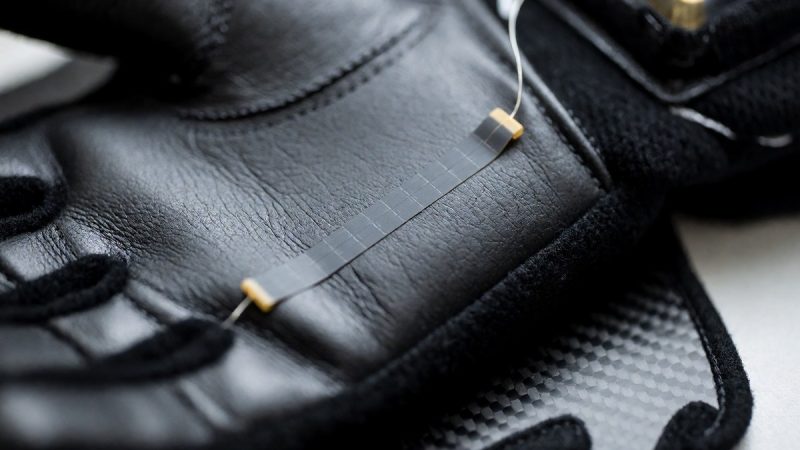
Racing suits and gloves must meet stricter flame resistance thresholds. Under ASTM D6413-19, the required after-flame time for these items is <= 1.5 seconds. Thermal protective performance (TPP) minimums for Category A garments rise from 35 cal/cm2 to 40 cal/cm2. These changes affect fabric blend formulations and layering architecture. Many 2024-certified suits will not pass recertification without a redesign.
HANS devices must meet universal anchor geometry verification using digital photogrammetry. Physical anchor point tolerances have shrunk from +/-2.5 mm to +/-1.0 mm. This change prevents ambiguity in mounting compatibility between HANS units and seat shells. For all other safety equipment, such as racing suits and gloves, the FIA issues certification that must be verified in the official database.
You should check the FIA database yourself using the product’s unique certificate number to ensure compliance. The database allows you to search by product type and model name. You must confirm the valid until date and the applicable regulation field. For 2026 compliance, the field must read Appendix H – 2026 Edition.
The FIA Homologation Workflow and Submission Requirements
Manufacturers submit dossiers through the FIA e-Homologation Platform. The platform requires PDFs, CAD files, test videos, and XML metadata. The FIA rejects any files that do not follow strict naming conventions. All dossiers must include specific data to ensure traceability.
The FIA maintains a public register of accredited technical consultants. These consultants can identify many common rejection triggers in documentation formatting and test report alignment. Manufacturers should also secure lab accreditation in advance. Crash, fire, and ECU testing must occur at laboratories accredited to ISO/IEC 17025 and endorsed by the FIA for the 2026 cycle.
The total cost of homologation varies by category. For Rally2, the base FIA fee is €2,800. For GT3 cars, the base fee is €6,500. A privateer rally team faces a total cost range between €8,850 and €11,600 when including third-party testing and consultant support. National sporting authorities (ASNs) also levy separate administrative charges. These charges range from €350 in Switzerland to €1,200 in Spain.
| Category | Final Submission Deadline | Effective From | Revalidation Due |
|---|---|---|---|
| Formula 4 Chassis | February 28, 2026 | April 1, 2026 | March 31, 2030 |
| Rally2 | October 15, 2025 | January 1, 2026 | December 31, 2029 |
| GT3 Cars | April 30, 2026 | July 1, 2026 | June 30, 2030 |
| Helmets (SAH 2026) | Ongoing | January 1, 2026 | Every 5 years |