Stallard’s technical approach and Piastri’s wet weather adaptation
McLaren race engineer Tom Stallard uses his Olympic rowing background to provide technical feedback that builds Oscar Piastri's confidence. This disciplined approach helped Piastri secure a victory at the 2025 Belgian Grand Prix despite severe rain and changing track conditions.

Rain disrupts qualifying at Interlagos
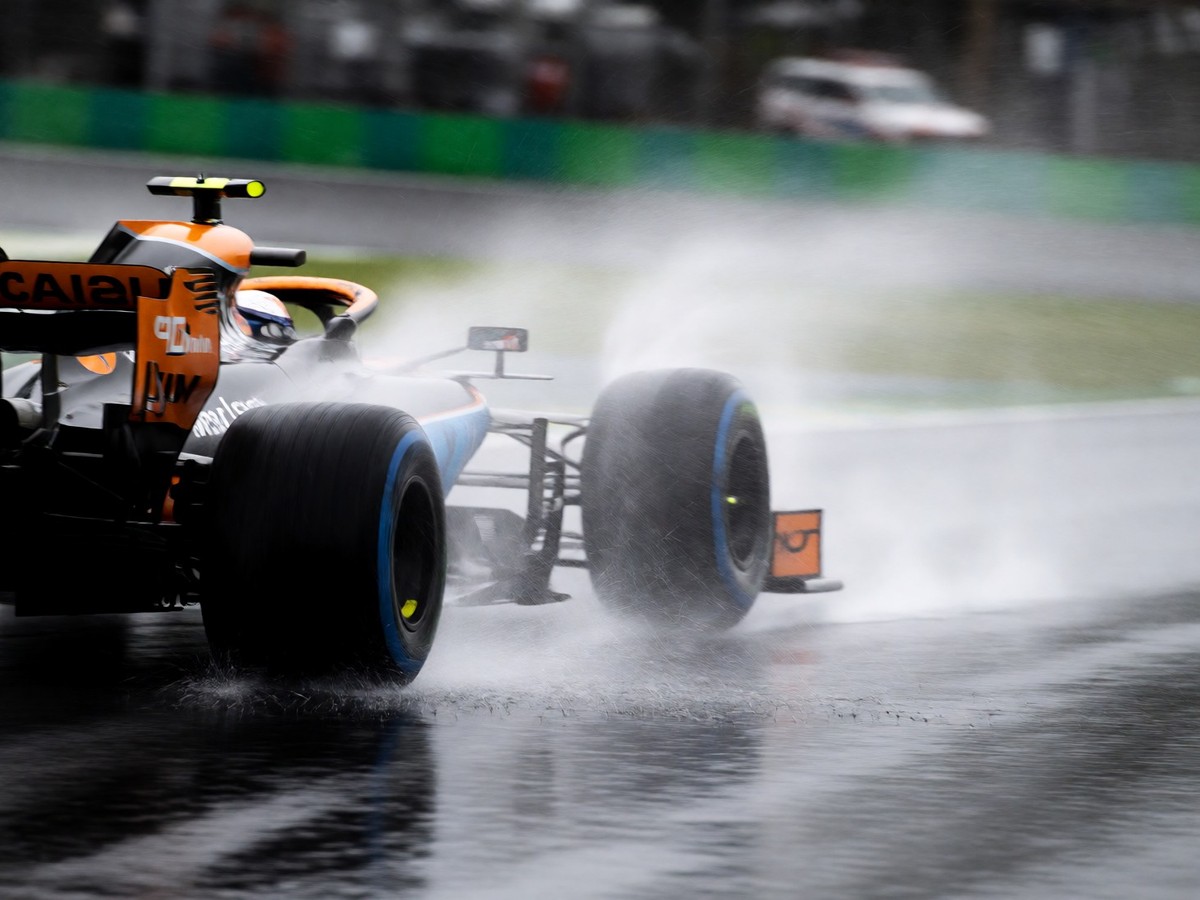
Heavy rain hit the Interlagos circuit in Sao Paulo, prompting race control to postpone Sunday’s qualifying session. The downpour arrived thirty minutes before the scheduled 1500 local time start, accompanied by a large thunderstorm. Marshals attempted to clear standing water from the track while the FIA sent the medical car to probe the conditions. Visibility remained low, and the rising intensity of the rain at 16:15 local time forced officials to assess the situation in fifteen minute intervals. The FIA eventually decided to postpone the session because the standing water rendered conditions unsafe for the drivers.
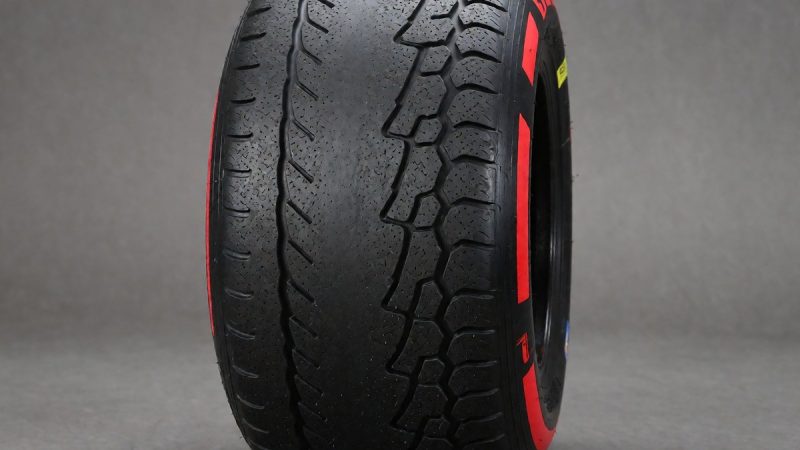
Oscar Piastri finished fourth in the qualifying session, a result he described as part of a bizarre session. He found the soft tyre difficult to work with, noting a lack of lap time progression through the segments. His Q3 lap remained 0.051s slower than his previous effort in Q2. While Piastri struggled to find grip, Lando Norris secured pole position. The weather conditions also hindered Max Verstappen, who qualified 16th and expressed confusion regarding his lack of grip.
Stallard brings Olympic discipline to McLaren
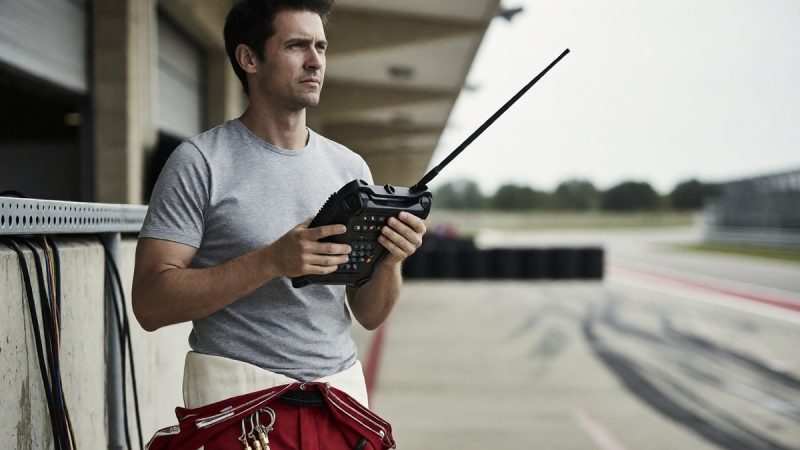
Tom Stallard works as a race engineer for McLaren and holds the position of Director of Human Performance. His background includes competing as a professional rower, where he won an Olympic silver medal representing Great Britain during the 2008 Beijing Games. This experience in high-pressure athletic environments informs how he manages the relationship with Oscar Piastri. Stallard has previously worked with drivers including Jenson Button, Daniel Ricciardo, and Carlos Sainz. He works alongside Will Joseph to relay race strategy and team decisions via the radio waves.
Stallard focuses on the technical and mental preparation required to maintain a driver’s headspace. He emphasizes that success comes from the hard work performed before the race weekend begins. This approach helps drivers stay calm when external expectations increase. Stallard identifies specific areas for improvement, such as technical driving details or fitness levels. He uses his experience to help Piastri find performance by analyzing where a driver can improve their line or speed.
Technical feedback drives Piastri’s progress
Stallard’s feedback style relies on deep technical investigation and specific driver preparation. He identifies exactly where Piastri needs to find performance, whether through tyre management or cornering adjustments. During the 2025 season, this focused work helped Piastri bridge the gap to Lando Norris. In Japan, Piastri previously struggled with rear tyre management, but Stallard’s guidance helped him overcome those issues in later sessions. In China, the engineer helped him figure out the complexities of Turns 1, 2, 3, and 4.
You know how much a single tenth of a second matters in these conditions.
Piastri notes that he does not reinvent his racing style but instead digs deep into technical details to find extra performance. He works on being at one with the car and refining his driving lines based on Stallard’s data. This preparation involves using the simulator and participating in private testing programs under the Testing of Previous Cars rules. These sessions allow Piastri to practice with the specific tyres and cars he uses during a race weekend.
Wet weather mastery in 2025
The effectiveness of Stallard’s technical coaching became evident during the 2025 Belgian Grand Prix at Spa-Francorchamps. That year, severe downpours forced the race to start behind a safety car rather than under a standing start. While the 2026 forecast for Spa shows only a small chance of rain, the 2025 event saw the race delayed by over an hour due to weather. Piastri managed the conditions well, moving ahead of Norris once the safety car was called in. He secured the win after a battle that proved his ability to handle high-grip transitions and changing track conditions.
The 2025 win showed that Piastri could execute a plan even when the weather changed the race dynamics. He used a wet-weather setup to maintain pace while other drivers struggled. This success stemmed from the work done in the simulator and during testing to identify how the car behaved in low-grip scenarios. Stallard’s ability to provide clear feedback on tyre temperatures and car balance helped Piastri maintain his position. This progress remains a significant part of his development as a driver.
Friction within the McLaren garage
The relationship between Piastri and Norris involves intense competition for performance. In 2025, Piastri trailed Norris by 82 points, having won two races to Norris’s four. Stallard uses Norris as a benchmark to measure Piastri’s improvement, especially in circuits like Imola and Austria. During the 2026 Hungarian Grand Prix, strategic calls created tension between the two drivers. Piastri lost his lead to Norris following a pit stop decision and a collision with the Williams of Carlos Sainz.
Piastri expressed frustration over the radio after the collision, though he later admitted his request to delay Norris’s pit stop was not reasonable. He felt the timing of the stops was fair to avoid being undercut by Lewis Hamilton, but the loss of track position remained frustrating. Stallard and team principal Andrea Stella defended the strategy, stating they had to respond to the Ferrari threat. The team prioritized the car in the best position to win, which led to the drivers swapping places.
| Driver | 2026 Qualifying (Brazil) | 2025 Race Wins | 2025 Podiums |
|---|---|---|---|
| Oscar Piastri | 4th | 2 | 8 |
| Lando Norris | 1st | 4 | 13 |
Simulator limits and 2026 regulations
The 2026 regulations introduce cars with self-learning elements regarding battery deployment and recharging. These algorithm-based systems adjust to driver inputs, creating a different challenge for engineers and drivers. Piastri has noted that these cars require significant work to master. He mentioned that while simulators help identify braking points and gear selection, there is a point of diminishing returns. He suggested it takes about ten laps on a real track to get a true idea of the layout.
Simulators help the McLaren Shadow esports team look for advantages, but they cannot replicate every real-world variable. Piastri relies on simulator work to identify which gears to use and how fast he can go through certain sections. However, the 2026 power units and the way the car reacts to grip changes make real-world practice necessary. The complexity of the power unit means the car often feels like it is still learning alongside the driver.
Engineering mentalities and driver headspace
Race engineers must manage the mental state of their drivers to ensure consistent performance. Eimear O’Connor, an engineer for PREMA Racing, explains that the job involves helping a driver stay calm. She suggests that engineers should avoid "babying" drivers and instead provide direct, honest communication. This philosophy matches the approach seen in high-pressure environments where drivers like Max Verstappen rely on directness from their engineers.
Stallard focuses on helping Piastri maintain a good headspace through technical clarity. By providing specific feedback rather than vague instructions, he builds the trust necessary for a driver to push the car. This connection helps drivers handle the pressure of external expectations and unexpected race incidents. When drivers receive clear, actionable data, they can focus on being clean with their driving. Will the current difficulty with the soft tyre in the wet prevent Piastri from maintaining his championship momentum?
The verdict on Stallard’s influence
Stallard’s technical and mental coaching has fundamentally changed how Piastri approaches race weekends. By focusing on minute technical details and tyre management, Stallard helped Piastri move from a driver who struggled with consistency to one who can win in extreme conditions. The 2025 win at Spa demonstrates that this preparation works when the weather turns. While the current struggle with the soft tyre at Interlagos shows that grip levels remain a challenge, it does not negate the progress made. Stallard’s method of framing mistakes as learning opportunities allows Piastri to continue refining his driving without losing confidence. This engineering relationship remains a primary reason for Piastri’s ability to challenge for the top of the standings.