Sunday, 11 October 2026 Next race: Singapore Grand Prix

Topic

Power unit

Ferrari's technical transition and 2026 F1 project development
Tech

Ferrari’s technical transition and 2026 F1 project development

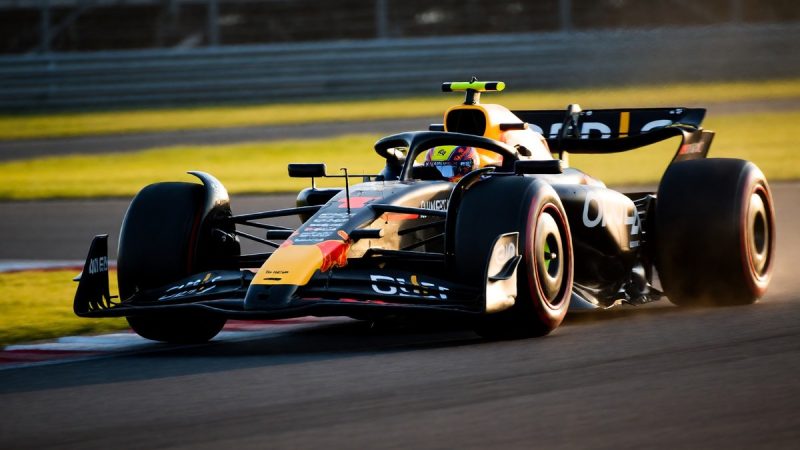
Loïc Serra leads the technical supervision for Ferrari's 2026 SF-26 project as the team prepares for major regulatory changes. Development focuses on power unit energy recovery, chassis balance, and tire management to maintain competitiveness against rivals.
6 min

McLaren's 2026 brake-by-wire rear bias algorithm explained
Tech

McLaren’s 2026 brake-by-wire rear bias algorithm explained

The 350kW MGU-K introduces massive retarding torque to the rear axle, requiring a brake-by-wire system to adjust mechanical caliper pressure. This algorithm maintains consistent rear braking force by compensating for electrical harvesting to prevent instability.

5 min

The Mercedes-Williams power unit partnership
Analysis

The Mercedes-Williams power unit partnership

Williams relies on Mercedes-Benz engine mapping to manage a 75kg/hr fuel flow limit and 50/50 power split under 2026 regulations. This collaboration aims to optimize thermal efficiency and energy deployment for high-speed tracks like Monza.

7 min

FIA 2026 fuel flow measurement sensor and power unit changes
Interviews

FIA 2026 fuel flow measurement sensor and power unit changes

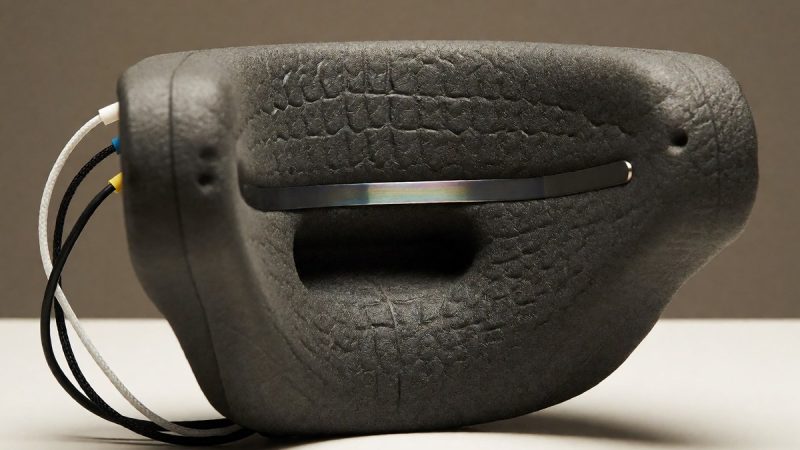
The FIA is replacing the dual fuel flow measurement sensor setup with a single Allengra device featuring integrated ultrasonic sensors for encrypted data. This transition aims to simplify technical monitoring of power units while maintaining strict oversight of fuel consumption.

7 min

Navigating the 2026 overtaking mechanics at Monza
Race

Navigating the 2026 overtaking mechanics at Monza

The 2026 Formula 1 regulations introduce Overtake Mode, which provides 0.5 megajoules of electrical energy to drivers within one second of a rival. This system replaces the traditional DRS with a power-based deployment to facilitate overtaking.

7 min

How 2026 power split and Suzuka strategy change F1 driving
Race

How 2026 power split and Suzuka strategy change F1 driving

The 2026 Formula 1 regulations mandate a 50/50 power split between the engine and electrical energy, forcing drivers to prioritize battery harvesting at high-speed corners like Suzuka. Aston Martin faces additional challenges due to a 1.5 second per lap deficit caused by Honda engine vibrations.

5 min

How 2026 fuel flow limits impact Haas and Magnussen strategy
Race

How 2026 fuel flow limits impact Haas and Magnussen strategy

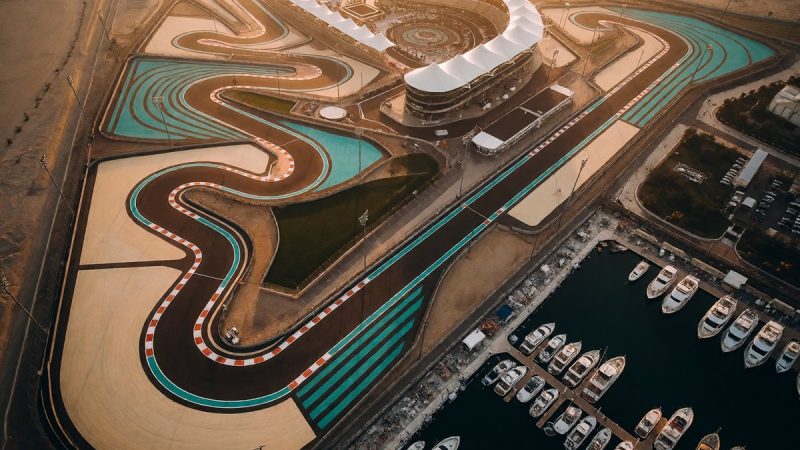
New energy-based fuel flow limits of 3000Mj/hr and a reduced 70kg race fuel allowance force a strategic trade-off between engine performance and car agility. Haas must balance Ferrari engine efficiency with Kevin Magnussen's fuel load management at the Yas Marina Circuit.

6 min

FIA technical sensor calibration and driver neurological safety
Interviews

FIA technical sensor calibration and driver neurological safety

The FIA is managing technical sensor calibration to address neurological impairment caused by mechanical energy from the Honda RA626H power unit. New oscillation metrics using earpiece accelerometer data aim to prevent dangerous vertical movements and driver physical distress.

5 min

FIA implements 2026 technical regulation refinements
Analysis

FIA implements 2026 technical regulation refinements

The FIA updated 2026 technical regulations to address safety and performance issues following feedback from drivers like George Russell. Key changes include reducing maximum battery recharge from 8MJ to 7MJ and increasing peak superclip power to 350kW to improve car handling.

6 min

Ferrari technical shifts prepare SF-26 for Interlagos
Race

Ferrari technical shifts prepare SF-26 for Interlagos

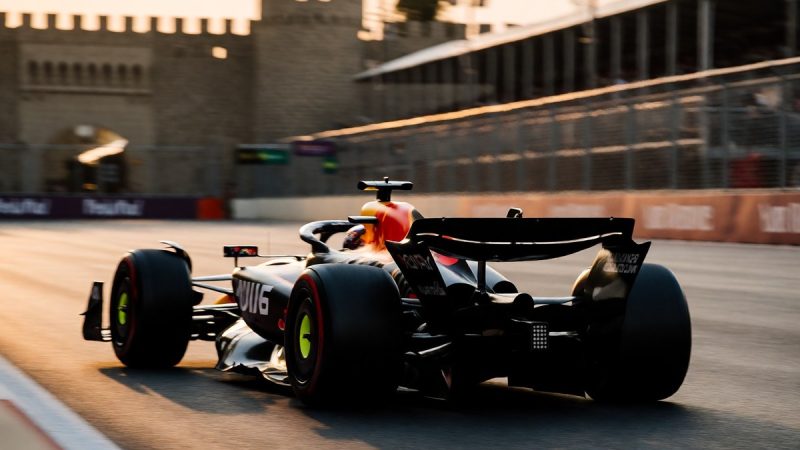
Ferrari engineers utilize advanced electronic management to control 350kW of MGU-K electrical boost in the SF-26. New push-rod suspension and a rotating rear wing design aim to improve lateral grip by 3 percent and reduce drag during high-speed deployment.

6 min

Back to top