FIA social media posts suggest V8 engine arrival for 2030
Mohammed Ben Sulayem teased a 2030 V8 engine return via Instagram following meetings between the FIA and engine manufacturers. While a 2.1-litre turbo concept has broad agreement, manufacturers remain divided on several aspects of the rules package ahead of December meetings.

A confusing social media reveal
Mohammed Ben Sulayem posted an Instagram video using an audio clip of a V8 engine and the caption "You spoke, we listened. V8s coming soon." This post appeared on Tuesday, one day after the FIA, FOM, and engine manufacturers met to discuss V8 plans. Before the post appeared, FIA social media channels published graphics that suggested an agreement in principle had been reached for the introduction of V8 engines in 2030. These graphics disappeared shortly after they went live, but users captured them. I find the removal of these posts telling, as it suggests the FIA may have jumped the gun before reaching full agreement with all stakeholders. The Race reports that Monday’s meeting produced a broad agreement on the 2.1-litre turbo power unit concept, but manufacturers still disagree on several aspects of the rules package. Discussions will continue through the end of this year to attempt to finalize the rules. The next major step involves the World Motor Sport Council meeting in Shanghai on December 10 to discuss the framework. Ben Sulayem has long targeted a 2030 switch, even though the current regulations run until 2031. Because the manufacturers are not in total harmony about every aspect of what is being proposed, the FIA needs to ensure all parties are lined up before making official statements.
Technical specifications for the V8 concept
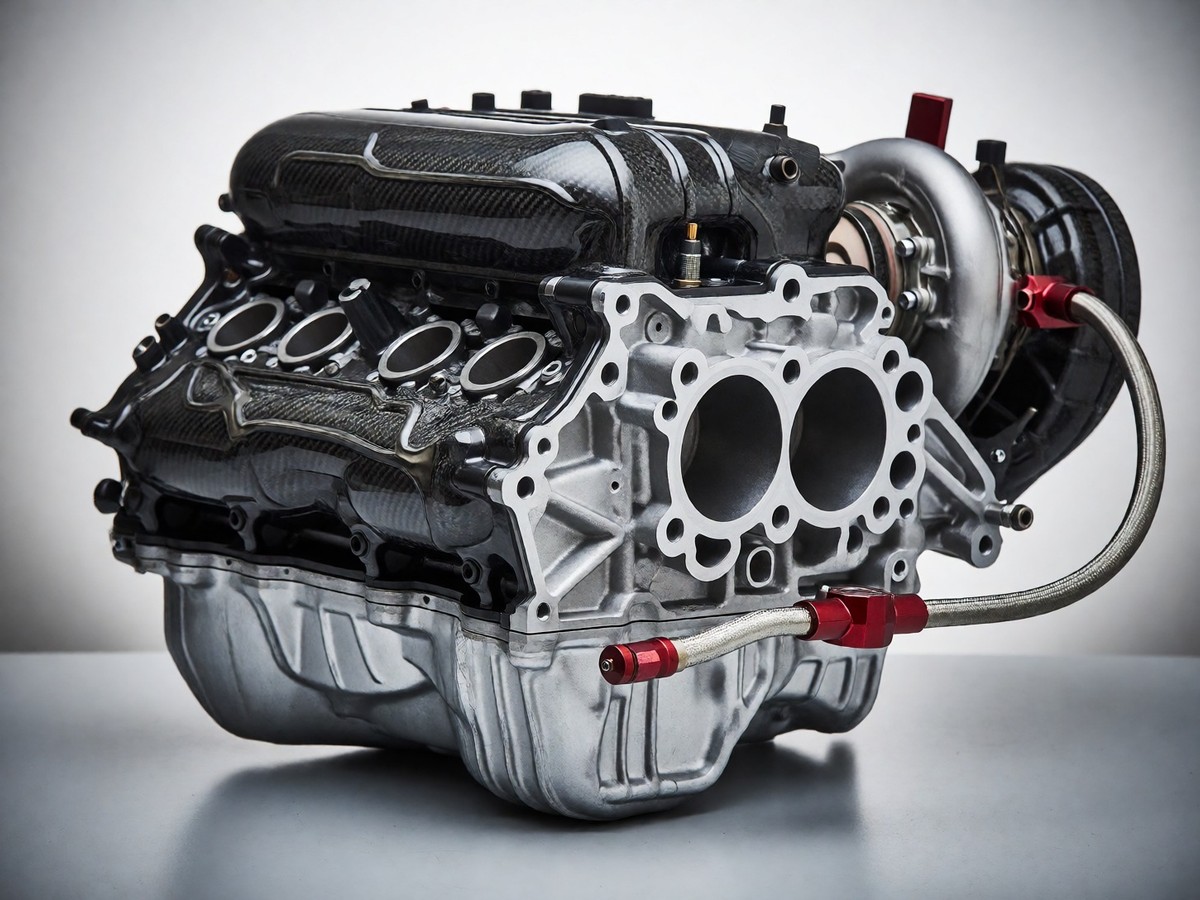
The proposed 2.1-litre turbo concept is the cheapest way for manufacturers to adapt their current V6 turbo power units. Ben Sulayem argues that simplifying the engine can halve the price and reduce R&D and production time. The FIA plans to cut car mass by 80kg.
| Feature | V8 Specification |
|---|---|
| Engine Displacement | 2.1-litre turbo |
| Total Electric Power | 200kW |
| Overtake System Power | 100kW |
| Target Car Weight | Under 700kg |
| Proposed Arrival | 2030 |
The new engines will use sustainable fuels and feature a smaller turbo with reduced boost pressure. They will also rely much less on electrical power than the current 2026 engines. The 2026 power units had a 50/50 split between motor and electric power, which caused backlash from drivers like Max Verstappen and Fernando Alonso. This transition requires the support of teams and manufacturers, which Ben Sulayem wants to achieve by 2030. The FIA must still ensure the rules package is something manufacturers can actually vote on.
Mixed reactions to the engine sound
Fan reaction to the Instagram audio clip is mixed. While some fans expressed excitement, others claimed the sound "sounds like a blender" or was not close to the naturally aspirated V8 sound from the previous 2006 to 2013 era. One fan even claimed it "sounds worse than Formula E," while another stated, "I’m confused – where is the V8 sound." I believe the prospect of these engines being existing V6 units with two extra cylinders bolted on makes the "V8" branding feel like a hollow marketing tactic. This hybrid-assisted V8 would provide a much lower electrical component than what drivers currently use. Ben Sulayem first spoke about the V8 proposal in Miami in May, and Mercedes has expressed interest in the return. However, the FIA must still secure unanimous support for the framework during the upcoming December meetings in Shanghai. If the FIA prioritizes low costs and simplicity to fast-track the 2030 arrival, they will likely produce the same mediocre engine sounds that fans have criticized since the V8 era ended in 2013. Getting the rules outlined by the end of this year is the timeframe the FIA and F1 have targeted, but manufacturers’ lack of total harmony remains a hurdle.