Lance Stroll Retires From Brazilian GP After Aston Martin Battery Failures
Lance Stroll retired from the Brazilian Grand Prix due to two separate battery problems, marking Aston Martin's third DNF of the triple-header. Honda engineer Shintaro Orihara admitted the root cause is unknown, creating pressure to resolve reliability issues before the 2027 season.

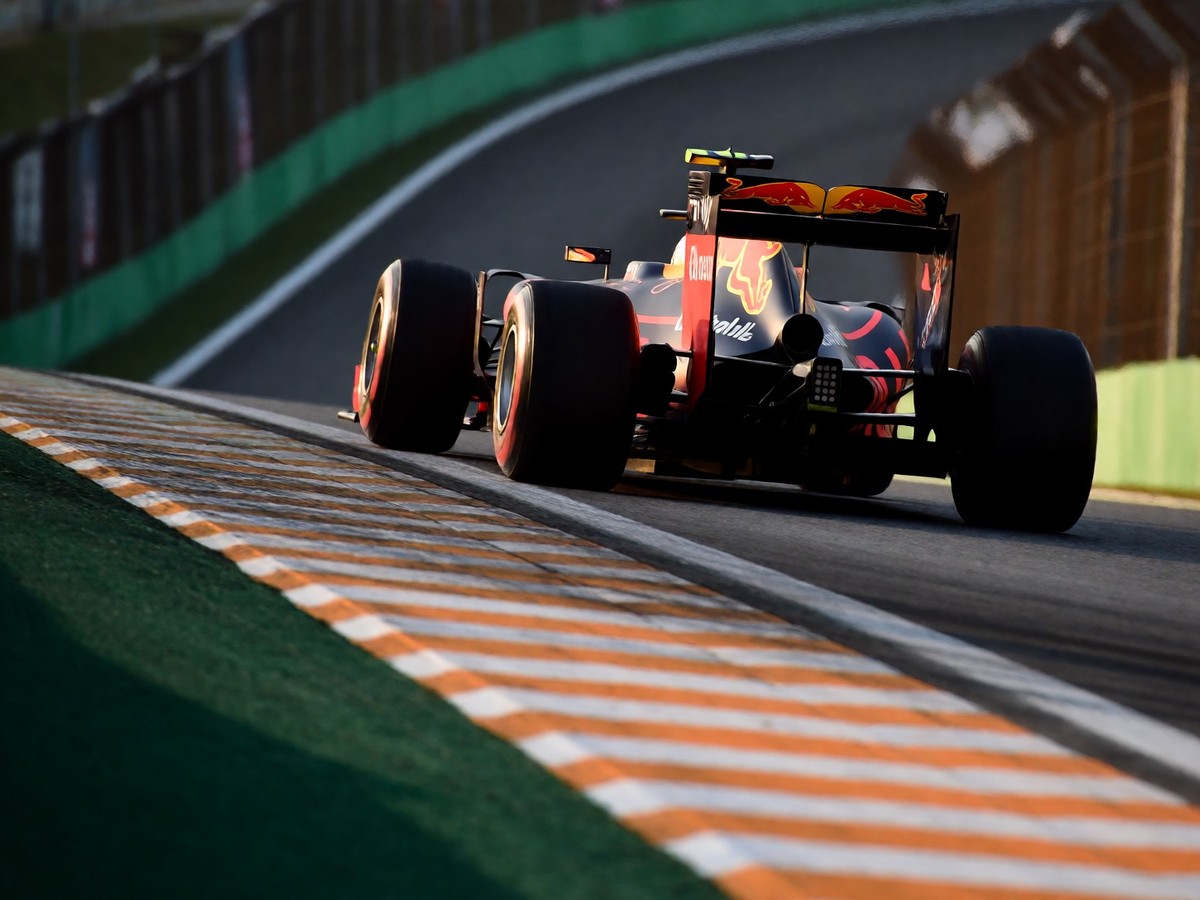
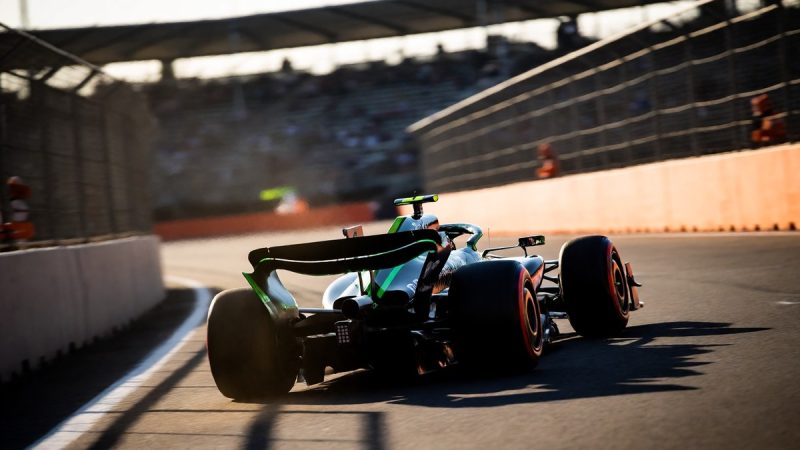
Lance Stroll retired from the Brazilian Grand Prix, marking Aston Martin’s third DNF of the triple-header. This latest failure stems from two separate battery problems encountered over the weekend. The car did not reach mid-distance on Sunday. It is a clear alarm bell for the alliance.
A root cause that remains elusive
Shintaro Orihara, Honda’s lead trackside engineer, acknowledged that "we know what happened, but we don’t know what is the root cause." He admitted it may take a few weeks to find that answer. However, data already indicates a need for some kind of countermeasure for the next race in Las Vegas. Honda must trace the underlying cause so it can be addressed properly for 2027. Orihara stated, "We need to find the actual root cause of this error for next year," warning that otherwise they keep having the same issue. This specific failure differs from the cooling system problem inside the energy recovery system that plagued Fernando Alonso in Mexico. Yet the theme is similar: a lack of robustness within the engine that had not shown up in simulation. The current situation harks back to the start of the year, when Honda could identify catastrophic consequences but not the exact root because the problem came out of the blue compared with dyno experience. This regression is particularly alarming because it erases progress made in the middle of the season. Both drivers had finished races consistently before the summer break, allowing Alonso to score points when the car was upgraded. Now, several issues have replaced that stability. Some of this trend could relate to components reaching the end of their life cycle or Honda running the engine harder for performance and going over the edge. But with the battery issue specifically, it is too early to say what the trigger was.
Pressure mounts ahead of 2027
Honda has not made the progress it hoped for regarding all-round engine performance this season. At best, it achieved some targets only in very specific circumstances. Reliability getting worse without a clear upside puts the manufacturer under intense pressure. It brings an unfortunate amount of negative scrutiny right at the end of a year filled with adversity. This is also a curveball for development work on the 2027 power unit, which needs a step in both performance and reliability. There will not be a major step at the start of the new season, as there is already a plan to phase in further upgrades through the year. That work is deeply under way. Troubleshooting takes away human resource, limited dyno hours restricted under F1’s engine development limits, money under the engine cost cap, and time because the clock is ticking to the start of 2027. First the cooling issue in Mexico, and now this on the battery side, takes Honda’s focus away from a path it would ideally be further down. Honda CEO Toshihiro Mibe was in Brazil, which Orihara said has a galvanising effect on the staff. But on the other hand, they had a battery issue twice this weekend. It was not exactly how the operation would have liked to present itself in front of the big boss. Mibe at least knows what is happening trackside. He will bring this experience to the Japanese side and boost development. If there was ever any possibility of complacency creeping in about how much work Honda has to do to reach the necessary standard, the CEO seeing first-hand the kind of problems still being encountered this deep into 2026 will have stamped it out.