Pirelli finalises new wet-weather tyres for 2027 after Interlagos issues
Pirelli is finalising new wet-weather tyres for 2027 to fix severe grip and warm-up problems exposed at Interlagos. Drivers reported the current compounds are too stiff due to 2026 regulations, prompting a redesign with final homologation scheduled for December.

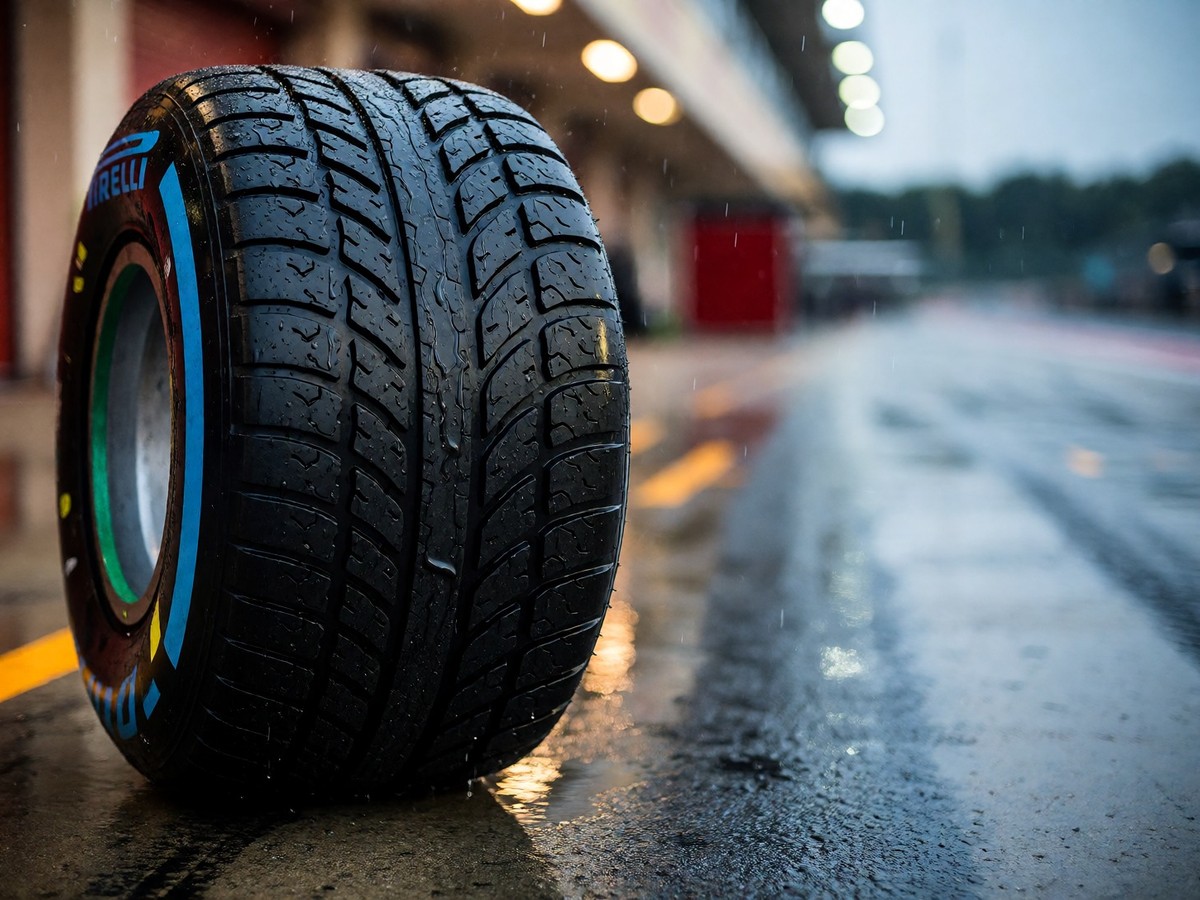
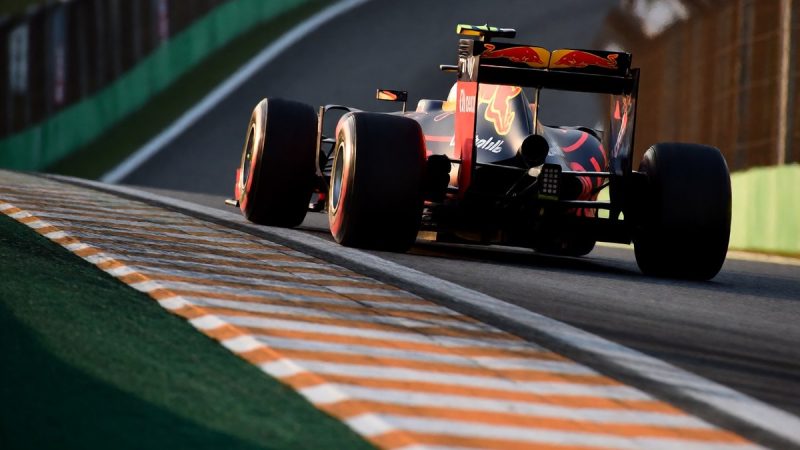
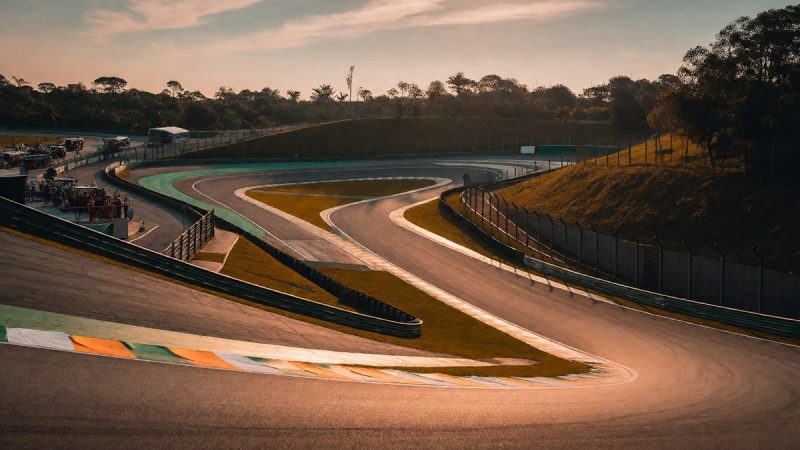
Pirelli is close to finalising new specification wet-weather tyres for the 2027 season, a move that directly addresses the severe performance issues drivers voiced at Interlagos last weekend. The Brazilian Grand Prix marked the first proper wet weekend of the year, with rain impacting both qualifying and the race in extreme conditions. Saturday’s running was so difficult that the full wet tyre, rarely used in recent years, became the preferred choice over intermediates. Sunday saw drivers start on intermediates, shift to slicks, and revert to inters as showers returned, yet no major incidents occurred and the race avoided any virtual or full safety car interruptions. Despite the clean result, driver satisfaction with the current rubber was low, prompting Williams’ Carlos Sainz to call for immediate work with Pirelli to deliver improvements. He stated that "the level of the wet and the inter is not good enough" and highlighted a "big lack of rear grip" during the extreme wet laps.
Technical constraints drive the redesign
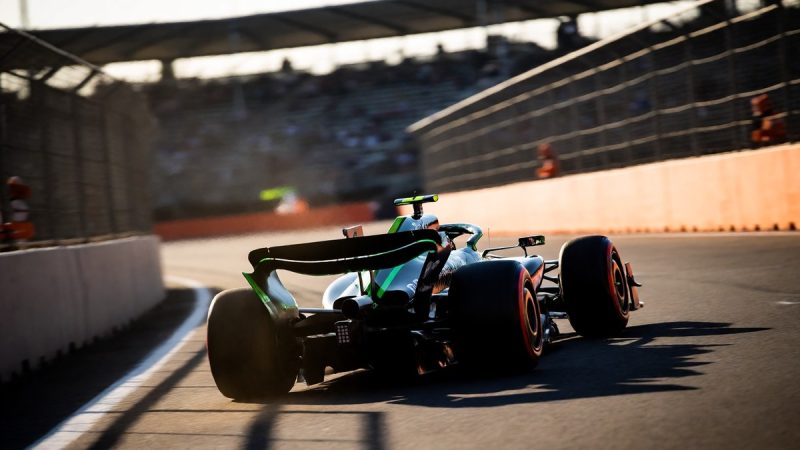
The primary challenge for the intermediate tyre was achieving operating temperature, a problem exacerbated by the cooler ambient conditions in Brazil. Racing Bulls’ Liam Lawson reported that the cars were "nearly undriveable" during the formation laps because the tyre temperatures continued to drop despite less standing water on the track. He warned that if similar conditions occur at colder venues like Las Vegas, the situation would be critical. Alpine’s Pierre Gasly described the experience as driving on ice, noting that the grip felt "extremely poor" compared to previous versions. This degradation stems from the 2026 technical regulations, which require tyres to withstand huge forces when switching between straight mode and corner mode. Pirelli had to design a more robust compound to handle maximum downforce if active aero fails, resulting in minimum front pressures rising from 25.5psi to 28psi on intermediates and from 22psi to 26.5psi on wets. These higher pressures make the tyres stiffer and harder to warm up, reducing the movement that inspires driver confidence. Haas’ Ollie Bearman confirmed the tyres feel "very stiff" and less forgiving than last year’s versions due to these additional design parameters.
Development path and team adaptation
Pirelli motorsport boss Dario Marrafuschi confirmed that the warm-up issues will be addressed in the next specification, stating that the team has been working specifically on the intermediate phase for next year. The original plan included a wet test in Bahrain in February using an artificially soaked track, but that session was abandoned following the start of the Iran war. Subsequent wet weather tests throughout the season have provided the data needed to revise the designs, with final homologation scheduled for December. Marrafuschi noted that while this year’s specs produced good racing in Malaysia and Singapore, optimisation is possible. He also pointed out that some teams adapted better to the current limitations, citing Lewis Hamilton’s "astonishing performance" with zero warm-up problems in Brazil. Mercedes’ George Russell cautioned that feedback may vary at other circuits, noting that Interlagos’s rough surface and high temperatures helped put heat into the rubber, unlike potentially cooler tracks such as Spa. The final decision on the 2027 compounds will rely on further testing, but the current evidence suggests a significant overhaul is necessary to restore driver trust in wet conditions.