Formula 1 stakeholders agree to return to V8 engines in 2030
Formula 1 stakeholders have reached an agreement in principle to scrap 2026 regulations in favor of 2.1-litre turbocharged V8 engines in 2030. This decision aims to reduce power unit weight to 150kg and lower development costs for manufacturers like Cadillac.

Agreement to scrap 2026 regulations
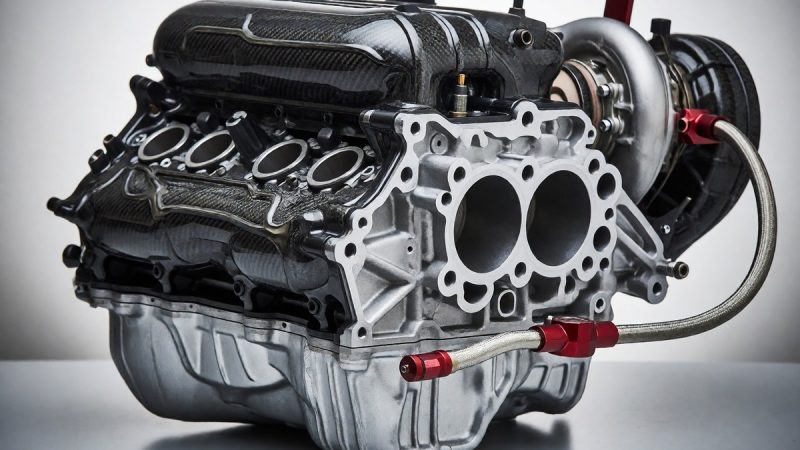
McLaren CEO Zak Brown confirmed during a Thursday press conference in Nevada that Formula 1 stakeholders reached an "agreement in principle" to return to V8 engines in 2030 following a high-level power unit summit between the FIA, Formula One Management, and engine manufacturers. This decision scraps the widely-criticised 2026 engine regulations after only four seasons of use, as the previous regulations lasted 12 seasons from 2014 to 2025. Alpine executive Flavio Briatore also noted that while the deal is not signed, "it looks like everybody’s agreed to 2030 V8s." The new formula will use 2.1-litre turbocharged V8 blocks, which adds two cylinders to the current 1.6-litre V6 design to lower development costs. This transition aims to scale back the heavy electrical reliance found in the 2026 rules to make cars lighter, cheaper, and louder.
Engineers aim to reduce the overall weight of the power units to 150kg, which is 30kg lower than the current engines. This reduction in mass helps manage the race start, where cars carry between 110kg and 120kg of fuel, up from the current 100kg limit. The transition requires the FIA to obtain support from a sufficient majority of engine manufacturers to implement the change ahead of the scheduled 2031 transition, effectively cutting the current five-year power unit cycle short by a single season.
| Feature | 2030 Specification |
|---|---|
| Engine Type | 2.1-litre V8 turbo hybrid |
| Race start fuel weight | 110-120kg |
| Power-unit weight limit | 150kg |
| Annual engine budget cap | $190m (£145m) |
Cadillac postpones engine production
The new regulations force Cadillac to change its entry timeline. General Motors, the backer for the Cadillac team, will delay its new engine production until 2030 instead of the original 2029 schedule. This delay allows the team to remain a Ferrari customer through 2029. In exchange for this delay, General Motors will lose its voting rights on current engine rules and receive a classification as a new manufacturer in 2030. Cadillac CEO Dan Towriss said the team already has a V6 base to build from while they work toward the V8.
The American outfit initially aimed to run its own General Motors power unit in 2029, but those plans were shelved due to the new engine regulations. The team will now extend its Ferrari customer deal by one year to tie in with the arrival of the V8 in 2030. His company will open its new power unit facility on December 18th. "For a period of time, we were working on both," Towriss said, noting that a number of designs are currently in motion and that there is a good foundation for the direction they are heading. The team will also benefit from a budget cap for engines set at $190m or £145m per year. A fuel energy flow limit will also control the combustion engine power to ensure the power remains under control.
FIA negotiations and technical compromises
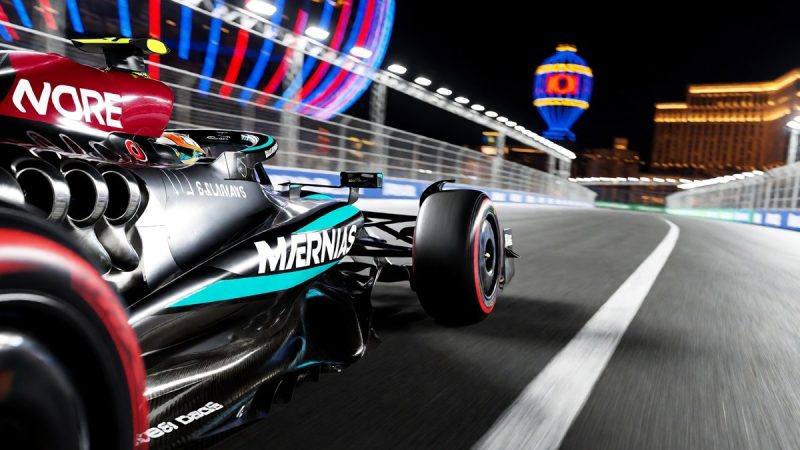
The FIA moves to implement these rules early by securing support from a majority of engine manufacturers. Mohammed Ben Sulayem initially pushed for naturally aspirated engines without turbochargers or electrical components, but manufacturers rejected this to maintain low fuel consumption and race weight. The resulting V8 engines will sound similar to current units because increased noise levels threaten commercially vital city races in Las Vegas and Miami. Confusion hung over the Las Vegas Grand Prix paddock all week after the FIA deleted social media graphics that suggested an agreement had already been reached. This agreement follows the high-level power unit summit held between the FIA and engine manufacturers.
FIA president Ben Sulayem teased the possibility of a return earlier this week via an Instagram post captioned, "You spoke, we listened. V8s coming soon." The regulatory framework for the V8 return goes before the FIA World Motor Sport Council in Shanghai next month. Zak Brown described the FIA as proactive, noting that the governing body announced full-time stewards to improve decision-making consistency. This rollout of officials begins in 2027 and will eventually expand to a permanent pool of 12 to 15 officials.
Regarding the V8 transition, Brown said, "I think now it’s about dotting the i’s and crossing the t’s." He also added that "everyone is very, very excited" about the move. Brown noted that McLaren has no plan to build an in-house unit and expressed confidence in the sport, stating, "I think the sport’s never been healthier. I think the competition is amazing."