Honda to redesign 2027 power unit to fix battery and combustion issues
Honda Racing Corporation Chief Engineer Shintaro Orihara announced plans to redesign the 2027 energy store structure following battery failures. The team is also working to improve combustion control to address torque accuracy and power delivery issues in current engines.

Battery reliability issues
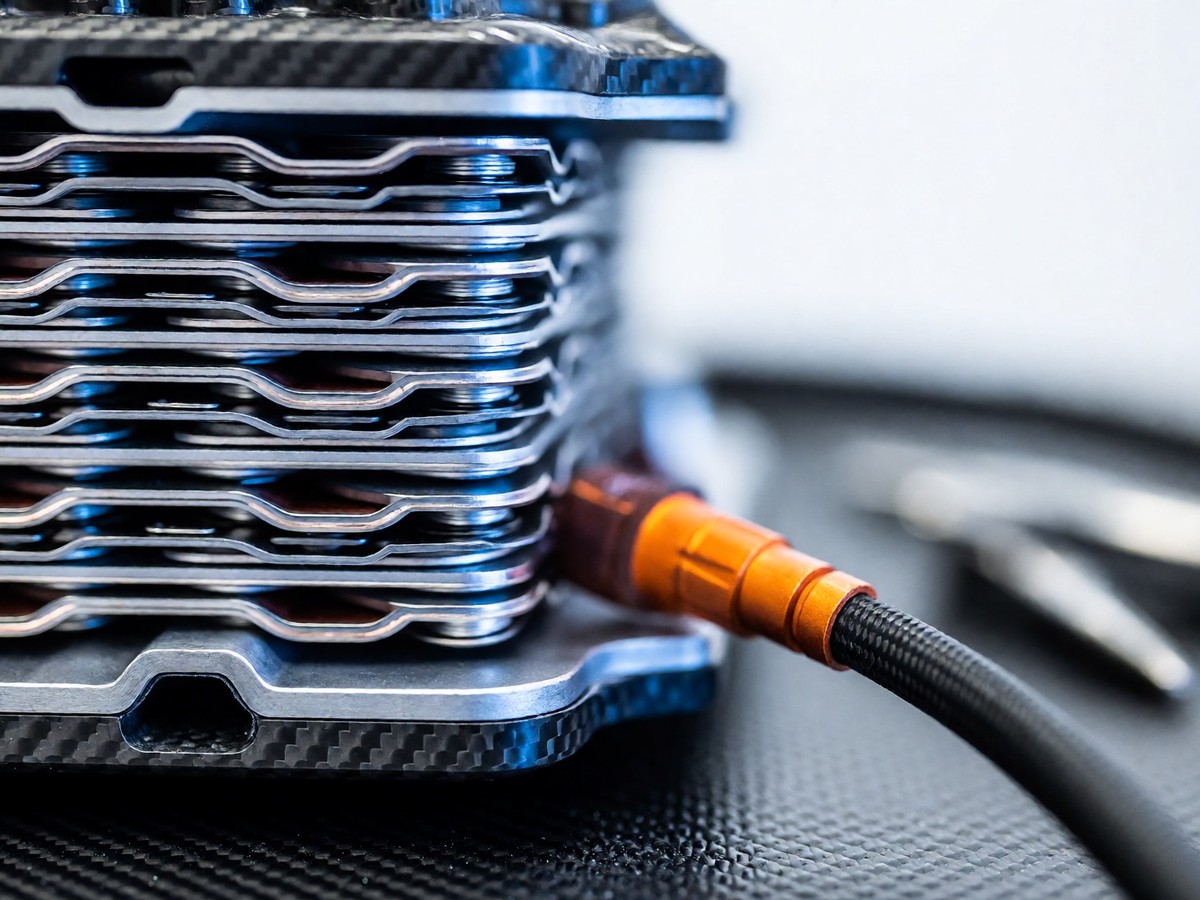
Honda Racing Corporation Trackside General Manager and Chief Engineer Shintaro Orihara says the manufacturer will update the internal structure of the energy store to increase strength and reliability for the 2027 power unit. This decision follows Lance Stroll’s retirement at the Sao Paulo Grand Prix, where the Canadian driver recorded his 14th DNF of the season to equal the record for most retirements in a single year. Orihara noted that the battery failure in Brazil was an "expected issue" that current countermeasures failed to prevent. I find the admission that the Las Vegas countermeasure might not fully prevent a repeat of the failure to be a blunt acknowledgment of Honda’s technical struggle. The Sakura-based team is still working on the 2027 structure, though they plan to use lessons from this year’s reliability issues to improve the next power unit. Honda intends to keep bringing countermeasures throughout this year to accumulate more mileage on the car. Following the inspection in Brazil, the team realized they need to address the problem more basically rather than relying solely on temporary fixes. The Japanese engineer admitted that the countermeasure brought to this event will probably not fully prevent the issue because the team still needs to get a complete picture and understanding of the problem.
Combustion control challenges
Honda engineers are also working to improve combustion performance because the current regulations lack a cylinder pressure sensor. Orihara admitted that the "rapid combustion" method used under previous regulations provided high performance but proved difficult to manage. I believe the manufacturer’s initial development path was wrong because they focused on rapid combustion before realizing they needed to move beyond it to find a different combustion style. Improving energy management provides little benefit if the internal combustion engine lacks outright power, which remains the main focus for 2027. While peak power reaches the required levels at times, Honda struggles to control it to ensure torque delivery and torque accuracy across a wider range. The engine lacks proper control. The team must find a new combustion style to get more performance under the current rules. Without better control, the power delivery lacks the torque accuracy needed for the car. They are focusing on combustion control. Orihara noted that they need to find some other combustion style to get more performance, which is an area they are working on to improve. Improving combustion control is the primary goal for the entire team.