The FIA and Formula 1 strategy for sustainable aviation fuel
Formula 1 aims for a 50% emissions reduction by 2030, focusing on logistics which account for 49% of its carbon footprint. While Qatar Airways and DHL programs reduce air freight emissions, IATA warns that global SAF production will only reach 2.4 million tonnes in 2026.

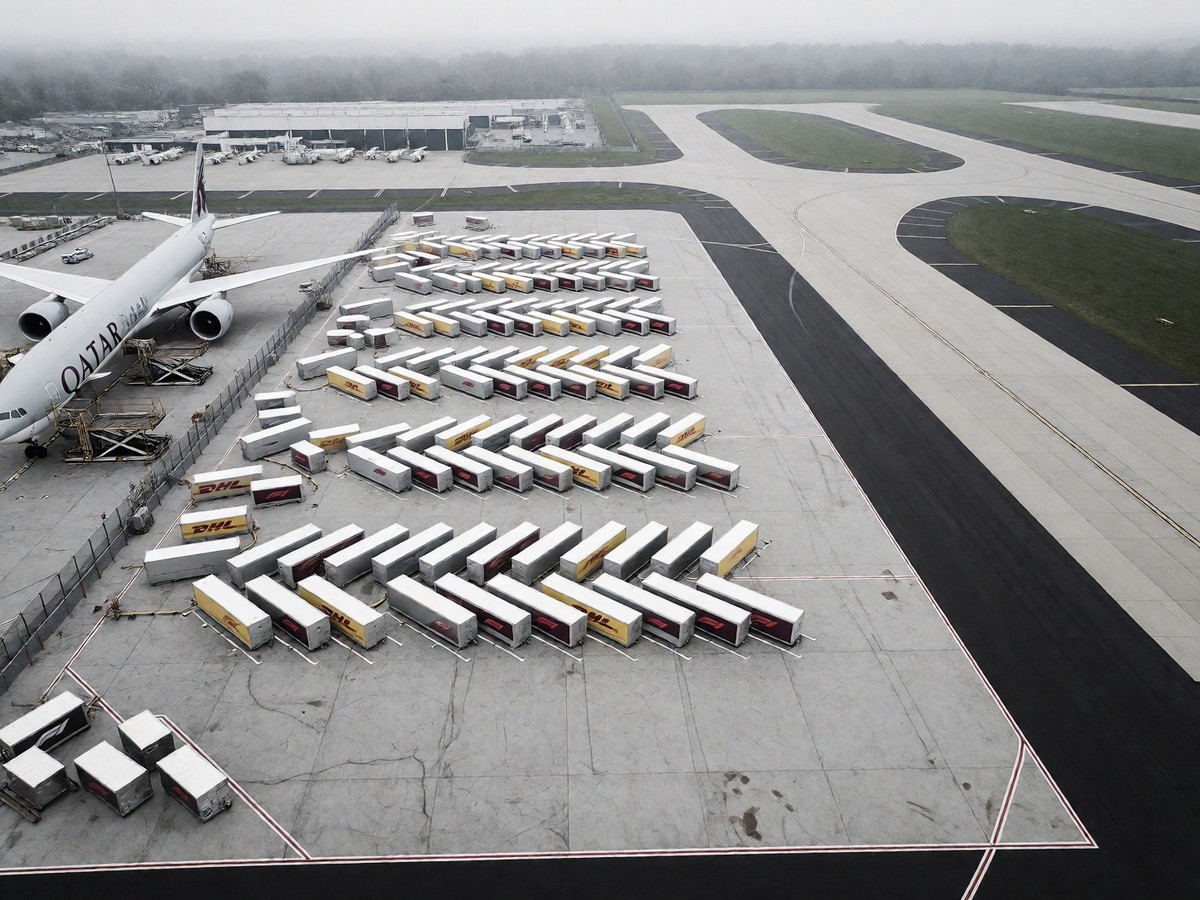
F1 aims for a 50% reduction in emissions against its 2018 baseline to reach Net Zero by 2030. The sport already cut its carbon footprint by 35% since 2018. Logistics, specifically the transport of equipment to events, produces 49% of the series’ carbon emissions. Business travel accounts for 29% and event operations account for 12%. Facilities contribute 10%. Racing car fuels contribute less than 1%. I find that addressing these specific areas provides the only path toward the 2030 goal.
Formula 1 fuel and the Qatar Airways investment
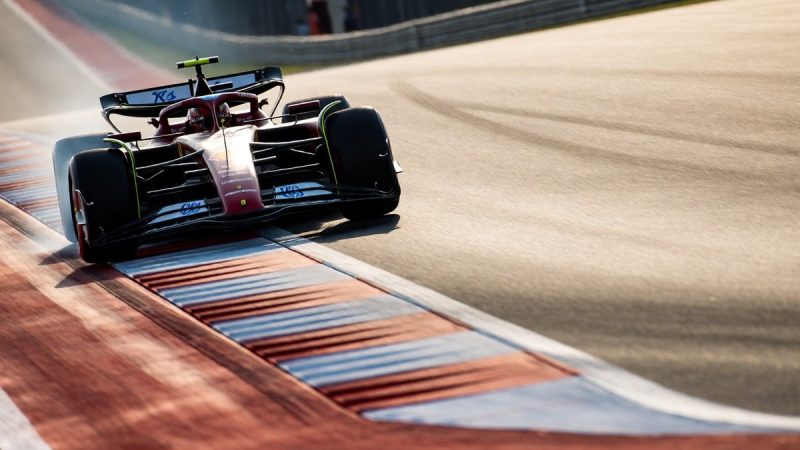
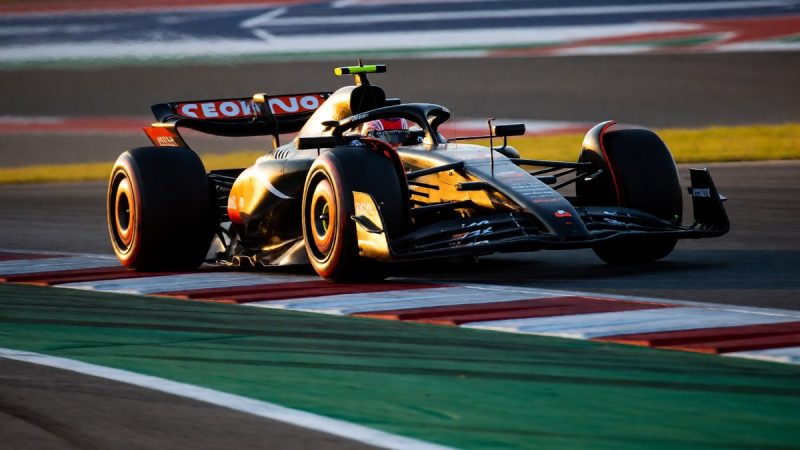
F1 cars will use 100% advanced sustainable fuel starting in 2026. Formula 2 and Formula 3 cars reach this 100% standard by next season. These junior categories used 55% advanced sustainable fuel since the start of 2023. FIA Safety and Medical cars currently use 40% advanced sustainable fuel. F1 expands its investment in sustainable aviation fuel through a program with Qatar Airways. This expands on a previous investment with DHL. These combined programs reduce related emissions by 8,000 tCO2e for the air freight charter program operated by Formula 1 across the flyaway events of the 2024 season. This represents a 19% reduction compared to traditional aviation fuel. Qatar Airways Group completed an additional purchase of SAF in 2024, which reduced emissions by 19,000 tCO2e.
Logistics optimization and regional hubs
F1 uses regional hubs in Europe, the UAE, and the US to reduce the distance freight travels between events. Redesigned cargo containers fit on more efficient Boeing 777 aircraft, which reduces emissions by 17%. F1 also uses biofuel-powered trucks for European Grands Prix. From next season, Aggreko provides lower-carbon power for the pit lane and paddock. These solutions reduce emissions in these areas by more than 90%. F1 rationalizes the championship calendar to improve race flow. Canada moves to a May slot and Monaco moves to June starting in 2026. You probably know that moving heavy racing equipment across the globe creates a massive carbon footprint.
European and UK regulatory mandates
The regulatory landscape for aviation in Europe and the UK imposes strict blending requirements on fuel suppliers. The EU ReFuelEU Aviation Regulation requires a 2% SAF blend in 2025, which increases to 6% in 2030 and 70% in 2050. The UK SAF Mandate also starts at 2% in 2025, rising to 10% in 2030 and 22% in 2040. The UK also introduces a power-to-liquid obligation of 0.2% in 2028, which reaches 3.5% in 2040.
| Regulation | Additional Cost per Metric Tonne of Fuel |
|---|---|
| EU ETS | €75 |
| EU SAF Mandate | €16 |
| UK ETS | €1 |
| UK SAF Mandate | €5 |
The EU and UK mandates create financial pressure for airlines. Compliance costs per tonne of fuel in 2025 exceeded €95. The UK’s approach to the SAF mandate includes a specific power-to-liquid obligation that starts at 0.2 percent in 2028 and rises to 3.5 percent of total demand by 2040.
IATA production gaps and industry costs
I find the disconnect between airline goals and actual production volumes to be a significant failure of current policy. Willie Walsh, Director General of IATA, says SAF production will not double between 2025 and 2026. Global SAF production in 2026 will reach 2.4 million tonnes. This is only 0.8% of the total aviation fuel used globally. Marie Owens Thomsen, IATA senior vice president for sustainability, says e-SAF targets are detached from reality. She says e-SAF costs can be 12 times higher than conventional jet fuel. IATA’s four-point plan to increase production includes expanding renewable energy supply and ensuring open access to fuel infrastructure. The plan also calls for strengthening policy support and enabling a global SAF market.
Mercedes-AMG Petronas and the book-and-claim model
Mercedes-AMG Petronas uses the book-and-claim model to address aviation emissions. The team uses certificates from SkyNRG and British Airways. Mercedes-AMG Petronas expects a total reduction of 18,500 tCO2e during 2024 and 2025. This includes 8,000 tCO2e this year and 10,500 tCO2e next year. The team achieved a 65% reduction in business travel emissions in 2023 compared to 2022. Business travel emissions fell by 6,695 tCO2e in 2023, while they fell by 2,628 tCO2e in 2022. SkyNRG estimated in its 2024 global SAF market assessment that announced demand will reach 12 million tons by 2030.
Global SAF expansion in the US and Brazil
The US uses the Inflation Reduction Act to provide a tax credit for qualifying SAF. This credit provides $1.25 per gallon for SAF and $1.75 for other transportation fuels. A Clean Fuel Production Credit applies from 2025 to 2027. SAF and other transportation fuels qualify under this credit if emissions are less than 50 kg CO2e/mmbtu. Brazil established the ProBioQAV National Sustainable Aviation Fuel Program via a decree. This follows Law No. 14,993/2024, also known as the Fuel of the Future Law. The US SAF Grand Challenge aims to produce 3 billion gallons of domestic SAF per year by 2030. This target reaches 35 billion gallons per year by 2050. Norway has used a 0.5% SAF blend since 2020 and aims for 30% by 2030.
Future race operations and the aviation fuel supply
F1 invested in sustainable maritime fuel in 2025. This provides a lower-carbon pathway for cargo between race locations. F1 also uses remote broadcast operations from its Media & Technology Centre in the UK to reduce travel. F1 rationalizes the championship calendar to improve race flow. F1 also uses biofuel-powered trucks for European Grands Prix. The sport targets a 50% reduction in emissions against its 2018 baseline. Will the current supply of sustainable fuels ever meet the legal requirements of the European mandates?