Mercedes wind tunnel constraints and the economics of upgrades
Mercedes faces a 60-hour wind tunnel limit and tight cash constraints as they attempt to rebuild their development pipeline. Toto Wolff noted the squad is low on cash after spending $1.8 million on crash damage, impacting the budget for upcoming performance upgrades.

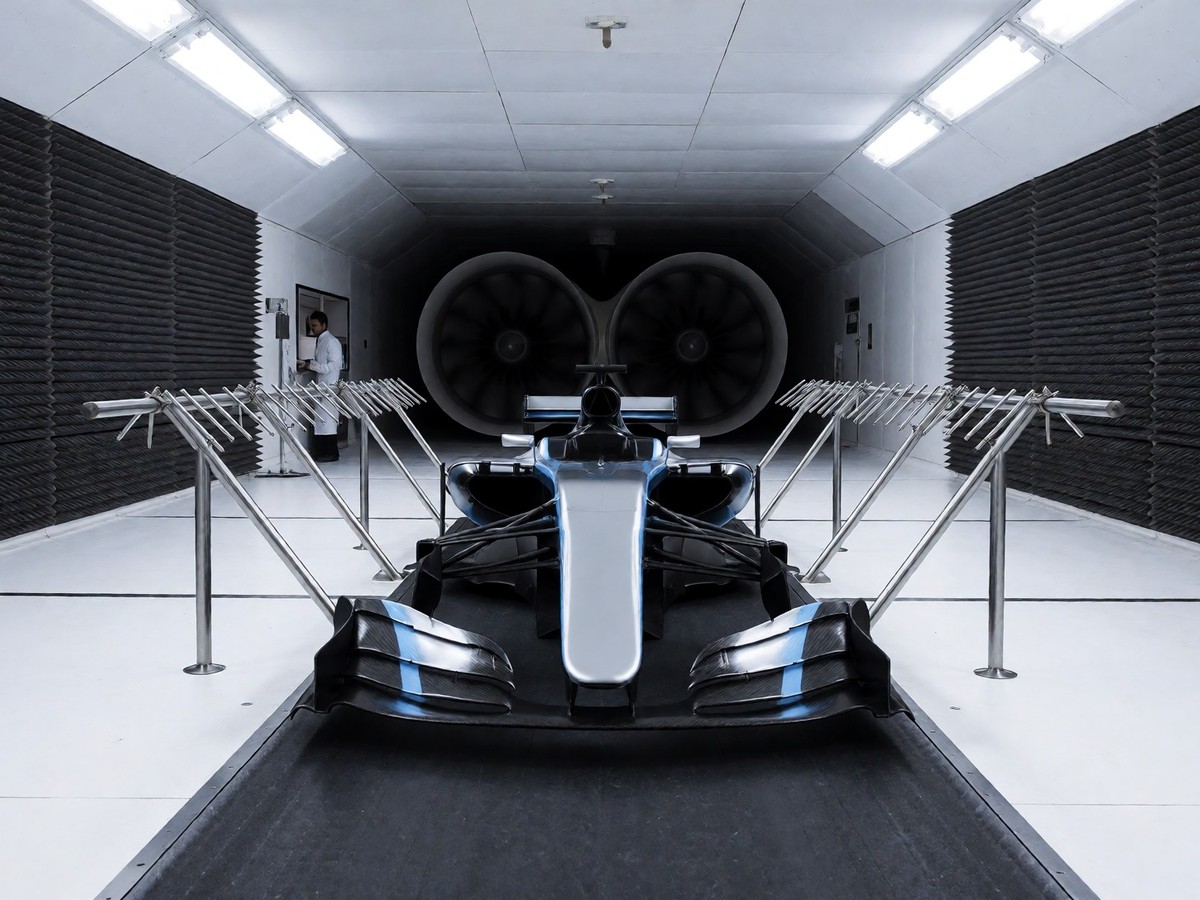
Mercedes holds second place in the 2026 Constructors’ Championship, a position that dictates their aerodynamic testing limits. The team receives 75% of the available wind tunnel hours, providing 60 hours of wind-on time. This allocation amounts to a drop of eight hours compared to the allowance they held during the first half of the season. These restrictions exist to prevent well-funded teams from gaining an unfair advantage through excessive spending. The sliding scale provides more hours to teams at the bottom of the standings. Alpine, finishing last, receives 115% of the testing allowance, while McLaren, in first, receives only 70%. The W17 showed early dominance with a one-two finish in Australia. Kimi Antonelli and George Russell secured those results before the championship tightened. Mercedes built a substantial performance cushion during the opening rounds. This advantage decreased as Ferrari, McLaren, and Red Bull produced significant upgrades. Now, the team faces a much more volatile competitive order.
The technical strategy used to prepare the W17 created a development gap that persists months later. Mercedes chose an aggressive approach to the launch car, leaving design decisions later than usual to capture a steep development slope. This decision meant they arrived in Melbourne with a more mature package, but they also spent their entire performance advantage upfront. Because the team arrived in Australia with a more mature initial package than several rivals, those teams had stopped developing their launch cars sooner and were already working on upgrades that could reach the circuit earlier. This caused Mercedes to fall out of phase with the rest of the field. Other teams fixed their cars earlier in time and began developing the first upgrade to arrive sooner in the season. Mercedes is now running a race or two after the update rates of the others.
Current development rates under the 2026 regulations make the competitive order highly volatile. The amount of lap time found in the wind tunnel for each passing week is six to seven times higher than last year. This rate means teams find approximately half a second every two months. While Mercedes maintains its own development slope, rivals have introduced updates that fluctuate the performance gap. Ferrari and McLaren have both produced significant packages to challenge the Mercedes lead. James Allison explains that the team is rebuilding its development pipeline to match these update rates. The team intends to deliver performance that restores the goodness they put in at the beginning of the season.
Mercedes faces significant financial constraints as they prepare for upcoming upgrades. Team principal Toto Wolff stated the squad is tight on cash right now. Analysis of development spending shows Mercedes sits in Tier 6, having spent an estimated 55% relative to the benchmark. This contrasts with Aston Martin, which occupies Tier 1 after a major mid-season overhaul. Ferrari and Red Bull sit in Tier 2 at 90% of the benchmark. Mercedes has brought 24 new components to the car so far in 2026. This is much lower than the 40 components brought by Ferrari or the 38 brought by McLaren and Red Bull. You already know the W17 had a strong start, but the math behind the current deficit involves more than just driver skill.
The wind tunnel allocation for the 2026 season depends entirely on the previous year’s championship position.
| Team | Constructors’ Position | Wind Tunnel Allocation |
|---|---|---|
| McLaren | 1st | 70% |
| Mercedes | 2nd | 75% |
| Red Bull | 3rd | 80% |
| Ferrari | 4th | 85% |
| Williams | 5th | 90% |
| Racing Bulls | 6th | 95% |
| Aston Martin | 7th | 100% |
| Haas | 8th | 105% |
| Alpine | 10th | 115% |
| Audi | New Team | 115% |
| Cadillac | New Team | 115% |
Reliability issues and repair costs impact the budget available for new parts. Mercedes has spent $1.8 million on crash damage this year. This amount is less than the $2.8 million spent by Red Bull or the $2.2 million used by Alpine. However, reliability problems with the W17 and the power unit have caused several points losses. James Allison says reducing self-inflicted wounds remains a priority for the team. A single retirement can cost a team as much as a successful upgrade programme. Managing the cost cap requires a balance between development and repairs. Will the extra $3m in the cost cap allowance be enough to offset the cash constraints Toto Wolff mentioned?
Aerodynamic testing relies on both wind tunnels and Computational Fluid Dynamics. Wind tunnels use a 60% scale model and a moving belt to simulate road motion. This testing is expensive and time-consuming. CFD allows teams to simulate airflow in a virtual environment to test designs more efficiently. Mercedes uses these digital tools to help manage the high development rates. The team’s engineering group aims to make the wind tunnel process as efficient as possible. CFD solves the Navier-Stokes equations, which describe the motion and interaction of fluids. These equations incorporate the conservation of mass, momentum, and energy. CFD allows engineers to work with virtual 3D models, which makes it easier to modify and refine designs.
Mercedes expects more performance to arrive as they manage their development pipeline. The team intends to deliver a lump of performance to restore the advantage they held at the beginning of the season. The team must manage the wind tunnel time and the cost cap to ensure the next wave of upgrades arrives as planned. Mercedes must manage its remaining resource to ensure the next wave of parts restores the status quo ante. The team is working to ensure the next wave of performance delivers what they need.