The intelligence behind the pit wall
CoreWeave and Aston Martin Aramco developed an AI platform capable of processing 40 live radio streams to provide transcription and strategy insights within five seconds. This technology allows engineers to query competitor tire performance and strategy signals during the race.

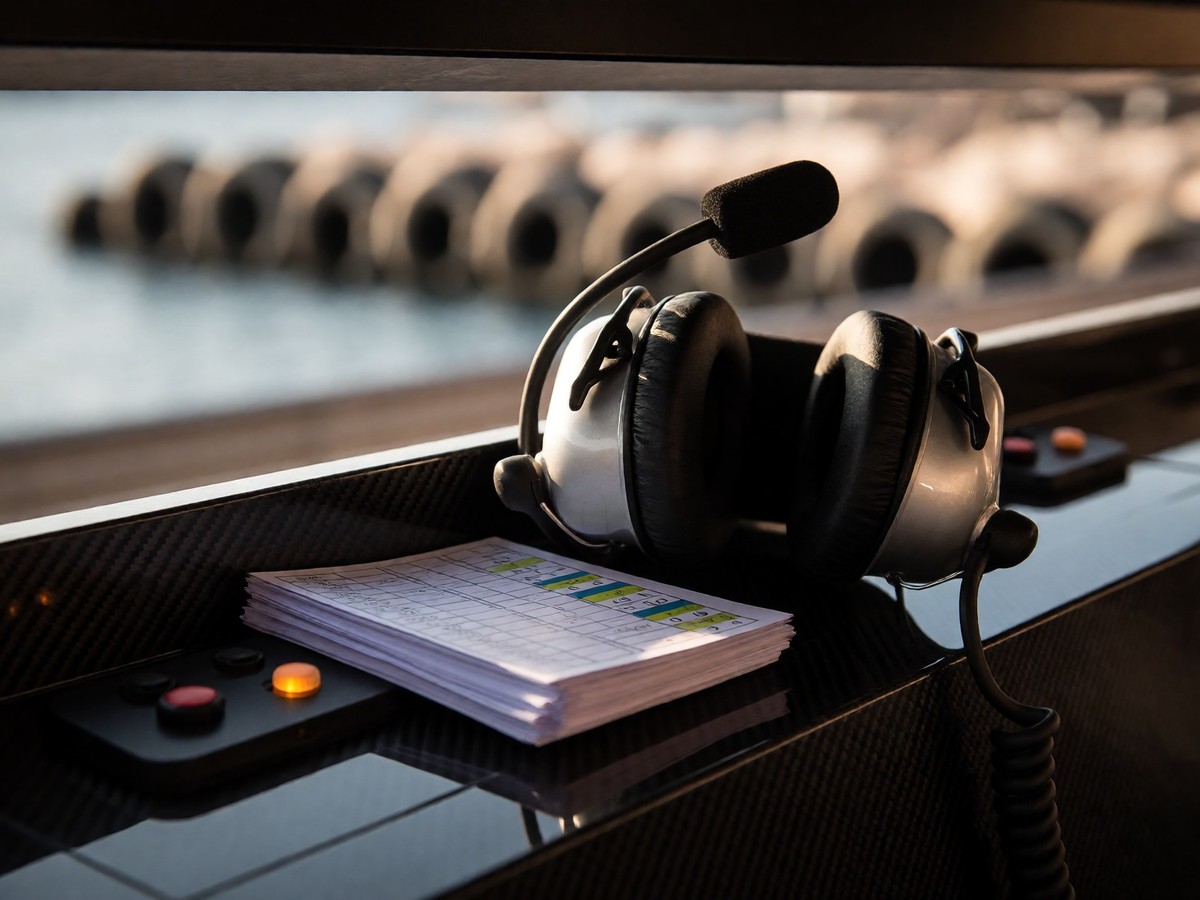
At the 2026 Monaco Grand Prix, radio channels emitted 380,000 words. This audio total included 50 hours of recordings and 21,000 individual messages. CoreWeave and Aston Martin Aramco developed a platform to process these 40 live streams. The system delivers transcription, diarization, and topic categorization within five seconds of capture. Engineers use a natural language chat interface to query the data. A race engineer types "what are the Ferraris saying about tire deg?" to get a synthesized answer from the live audio. The team built this model using 75 iterations and 3,000 labeled samples. They also used 7 hours of hand-annotated F1 radio data to ensure accuracy. The platform uses Weights & Biases Serverless Inference on CoreWeave Kubernetes Service, while TensorRT-LLM provides the necessary throughput. The platform delivers transcription, diarization, and topic categorization within five seconds of capture, providing engineers the ability to find answers about competitor tire performance or strategy signals before the narrow window for a strategic pit stop closes. At Silverstone, an engineer used the platform to see that two cars on hard tires reported grip issues for eight laps, allowing a quick call to pit for mediums.
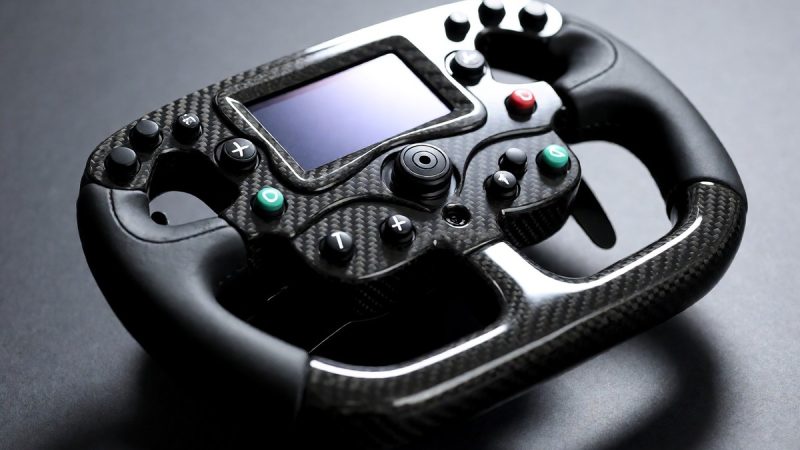
Drivers feel like hostages to the AI underpinning 2026 power units. Lando Norris said the results depend on hoping the power unit does what it should do and does not do something silly. George Russell experienced a crisis of confidence at Spa when a mysterious straightline-speed deficit ruined his weekend. These self-learning algorithms decide when and where to deploy energy based on predictions. This makes the drivers feel powerless to change the car’s behavior. DRS was a simple button that opened a rear wing flap, but AI is a much more complex phenomenon. The current technology tames the drivers and the fans. I find the current situation where drivers feel like hostages to algorithms to be a failure of the sport’s core principles.
The FIA uses a partnership with Tomorrow.io to manage weather intelligence. Tomorrow.io uses a satellite-backed and AI-driven model to provide a global sub-hourly information stream. This data helps the FIA make decisions regarding Heat Hazards and Rain Hazards. The system also helps with scheduling and rescheduling sessions. AI crunches years of historical action to find patterns, such as those from typhoon weekends in Japan. The data includes real-time observations from the oceans. In the past, 70% of the globe lacked such observation or relied on data that was one to three days old. Chris Bentley, the FIA’s head of information systems strategy, says the company provides information before, during, and after a session.
2026 cars follow strict technical regulations. The chassis and power units underwent a major overhaul.
| Feature | 2026 Specification |
|---|---|
| Minimum Weight | 724kg |
| Maximum Width | 190cm |
| Maximum Height | 95cm |
| Maximum Wheelbase | 340cm |
| Electrical Power | 475bhp (350kW) |
| Maximum Recharge | 7MJ |
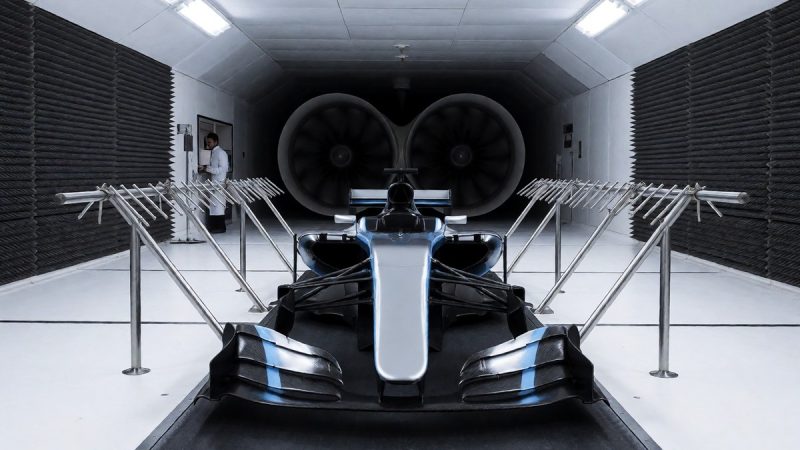
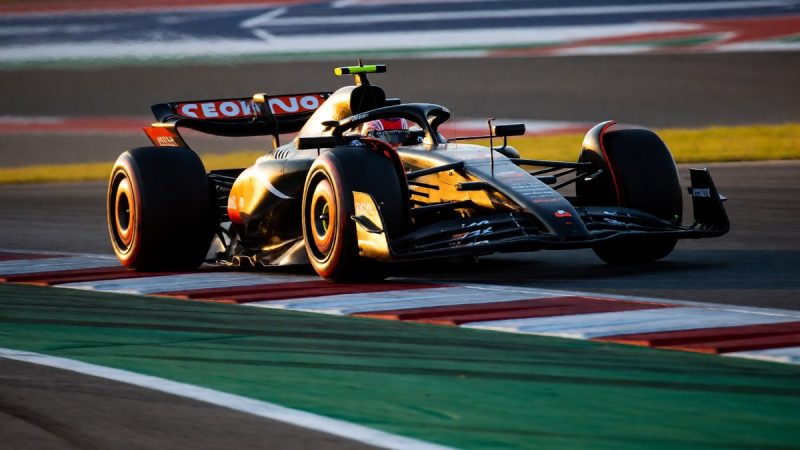
The cars are smaller and lighter than previous generations. The minimum weight dropped by 30kg. The wheelbase decreased by 200mm and the width decreased by 100mm. Drivers switch between Z-mode for downforce and X-mode for low drag using active aerodynamics. The new rear wings have three elements that open to shed drag. The FIA predicts a 30% reduction in downforce and a 55% reduction in drag.
The 2026 power units rely heavily on electrical energy. The MGU-K deploys 350kW in key acceleration zones, while it stays at 250kW in other parts of the lap. The electrical side provides 475bhp under acceleration. Self-learning algorithms calculate how much power to use where and when. They shift power around to maximize deployment. This can lead to issues like superclip duration lasting only 2 to 4 seconds. Oscar Piastri called the prevalence of computer influence "nuts". George Russell lost at least two tenths of a second to Kimi Antonelli due to a power unit deployment problem. Mercedes engineers estimated the deployment issue into the Bus Stop chicane cost Russell significant time.
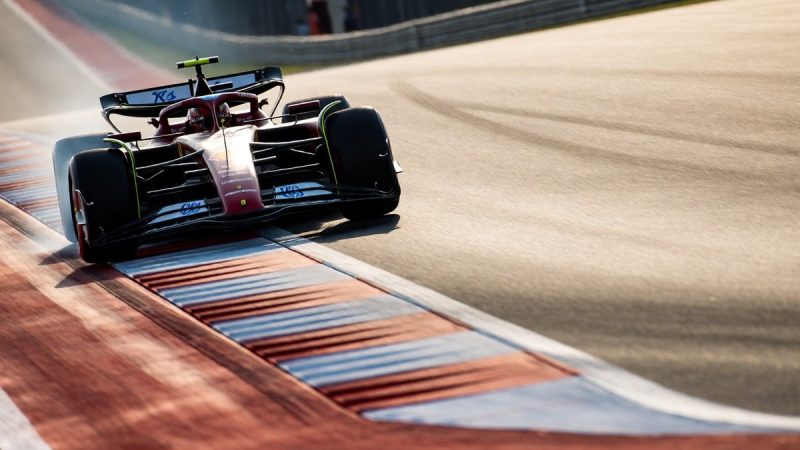
Monaco requires a 260km race distance over 78 laps. The 2026 regulations return to a one-stop requirement. Track position is the main factor because overtaking is difficult. Drivers must manage cooling for the power unit and the brakes. Opening up the cooling on the car reduces downforce. The track surface starts "green" and improves as more rubber is laid down. The Swimming Pool section requires drivers to thread the needle between barriers. You know the difficulty of Monaco, so you understand why track position matters more than tire life. Drivers must change tires when they reach the 18-lap limit per set.
Article B1.8.1 of the sporting regulations says "The driver must drive the F1 car alone and unaided." This rule faces strain from algorithms that decide deployment. Legal questions exist about the ownership of AI-generated models. If an AI system gives erroneous advice that leads to a crash, liability remains unclear. The FIA faces questions about whether AI decisions comply with natural justice principles. In the UK, the court in Bridges v Chief Constable of South Wales Police found that facial recognition technology lacked adequate legal safeguards because of its opacity. Who owns the intelligence when a model learns from a driver’s specific input?
The shift toward software deployment leaves the driver as a secondary player. The racing decisions happen on pit walls through screens. The sport is now a software exercise.