Ferrari’s technical transition and 2026 F1 project development
Loïc Serra leads the technical supervision for Ferrari's 2026 SF-26 project as the team prepares for major regulatory changes. Development focuses on power unit energy recovery, chassis balance, and tire management to maintain competitiveness against rivals.

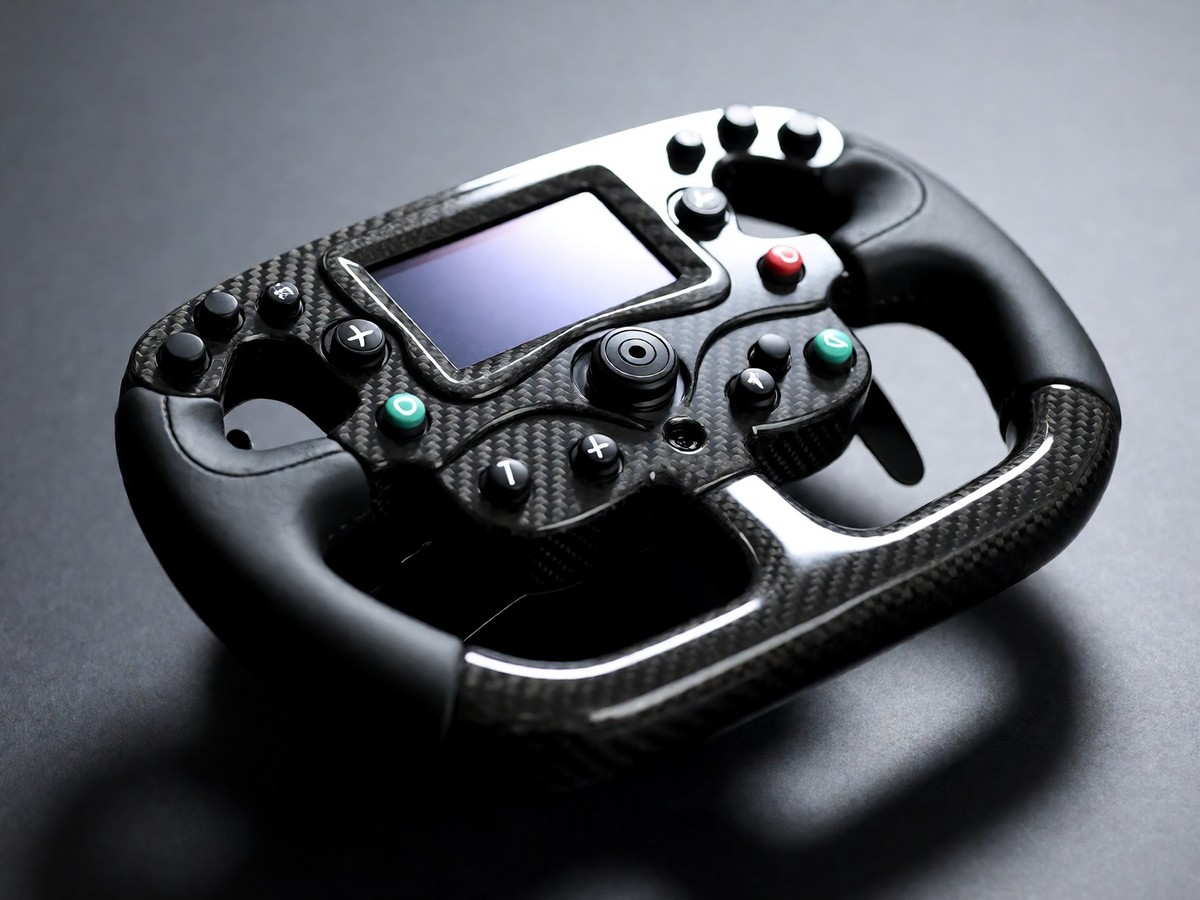
Loic Serra assumes technical supervision for the 2026 Ferrari project. This car follows the SF-25, which was the last model under the leadership of Enrico Cardile. Cardile left the team in June 2024. Serra joined the team in October 2024 when the 2025 car was nearly finished. Vasseur views the upcoming model as the first product of Serra. The team wants to move on from the 2025 season quickly to focus on the major regulatory overhaul of 2026.
The technical transition in Maranello
The organizational structure at Ferrari changed when Serra took over technical supervision. Vasseur expresses a desire to credit the technical director for the upcoming car. He notes that some journalists blamed Serra for the performance of the previous season, but he considers those claims unfair. The transition from Cardile to Serra marks a new chapter for the SF-26 project. The team aims to capitalize on this reset to reclaim a frontrunning position.
The development of the SF-26 involves a massive amount of work behind the scenes. The 2026 regulations change every component of the car. This includes the chassis, the engine, and the energy management systems. Drivers must understand how every new system works to remain efficient on track. The team works to ensure that the technical solutions developed in Maranello provide a competitive advantage.
Testing priorities and reliability goals
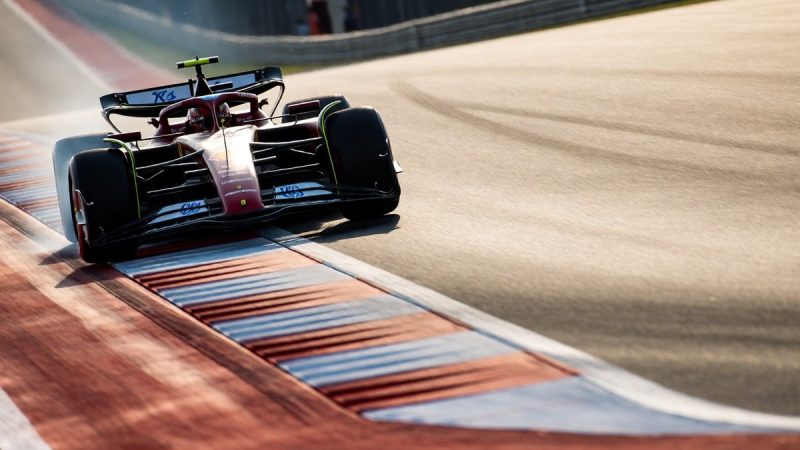
Ferrari reveals the preliminary 2026 car on January 23. This version is a preliminary model and differs significantly from the car that will compete in Australia. Vasseur states that the priority in Barcelona is to accumulate mileage rather than chasing performance. The team needs to check technical choices for reliability to avoid the high percentage of retirements seen 10 or 15 years ago.
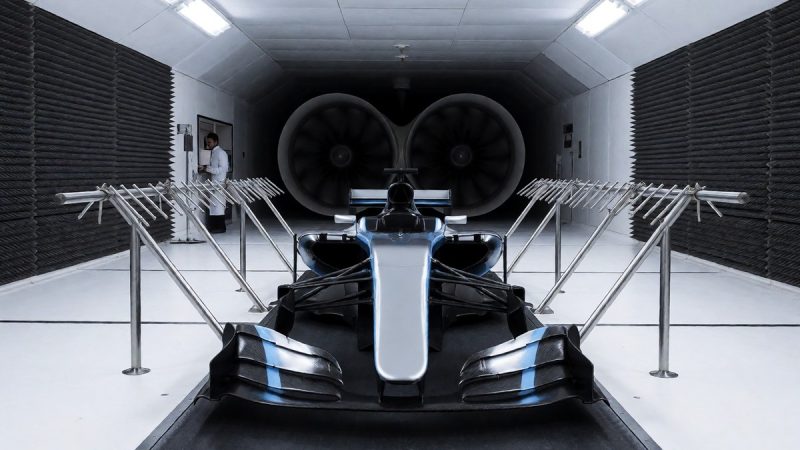
The testing timeline moves from Bahrain to Barcelona and then to Australia. The team needs to understand where to improve during the early sessions. If the team discovers a technical issue in Bahrain, there is no time to react before the Australian Grand Prix. The Barcelona tests will serve as a way to verify correlations between the track, the CFD, and the wind tunnel. This correlation work is more uncertain for the 2026 project than it was for the 2025 project.
Budget constraints and development pace
The budget cap dictates how Ferrari introduces upgrades throughout the season. Vasseur notes that the team must be smart with the budget to introduce upgrades. If the team introduces four or five updates in the early races, the cost of shipping a floor to Japan or China could consume half the development budget. This requires a daily evaluation of wind tunnel gains versus development costs.
Ferrari uses a strategy of regular, small updates rather than large, sporadic packages. This method allows the team to maintain constant gains without exceeding the budget. The team spreads improvements thinly across many race weekends. This approach aims to keep the team from falling behind competitors like Mercedes.
| Technical Component | 2026 Specification and Strategy |
|---|---|
| Power Unit Factors | Driveability, weight, and energy recovery |
| Energy Recovery | Primary recovery via braking due to MGU-H removal |
| Gear Management | Skipping 8th gear or shifting to 1st gear |
| Upgrade Strategy | Incremental mechanical and aerodynamic updates |
| Competitive Target | ADUO ranking system and engine efficiency |
Power unit complexity and energy management
The 2026 Power Unit involves many factors that contribute to performance. These factors include driveability, weight, and energy recovery. The removal of the MGU-H means energy recovery now depends primarily on braking. Marco Adurno, the head of Vehicle Performance, emphasizes the importance of targeted practice to optimize the electrical component of the Power Unit.
Drivers must manage energy availability during overtakes. If a driver uses too much energy to overtake, they can become an easy target after two or three corners because the energy is exhausted. Leclerc uses gear management to assist with this process. On straights, the driver sometimes skips the eighth gear. In certain corners, drivers shift down to first gear to raise the engine RPMs and maximize energy recovery.
The latest power unit improvements follow the FIA’s ADUO ranking system. The team works on turbocharger and combustion chamber tweaks to reclaim horsepower. Tesla has an established advantage in engine efficiency, which necessitates focused upgrades from the Ferrari team.
Chassis, aerodynamics, and tire management
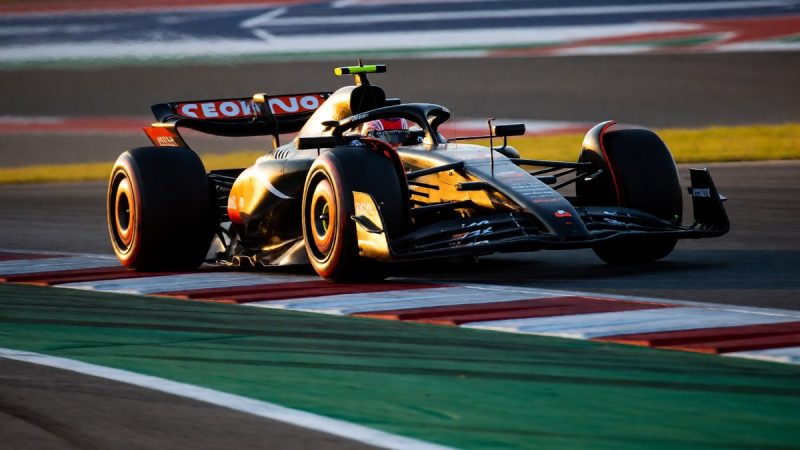
Leclerc identifies improvements in the power unit, chassis, and aerodynamics as the main areas for evolution. The team works on the overall balance of the car to impact track performance. Adjustments to weight distribution can change lap times. The SF-26 benefits from aerodynamic refinements and engine upgrades.
Tire management strategies are a vital part of the racing strategy. Leclerc focuses on marrying speed with durability through these strategies. The team must improve tactical efficiency by balancing tire wear with overall pace. This requires a synergistic approach where aerodynamic and mechanical improvements work together.
The decision to halt aerodynamic development for the SF-25 after six races allows the team to focus resources on the 2026 project, even if it creates a significant psychological challenge for the team members and drivers. The team aims to maximize gains from wind tunnel data to improve the 2026 chassis.
Driver input and the track engineer
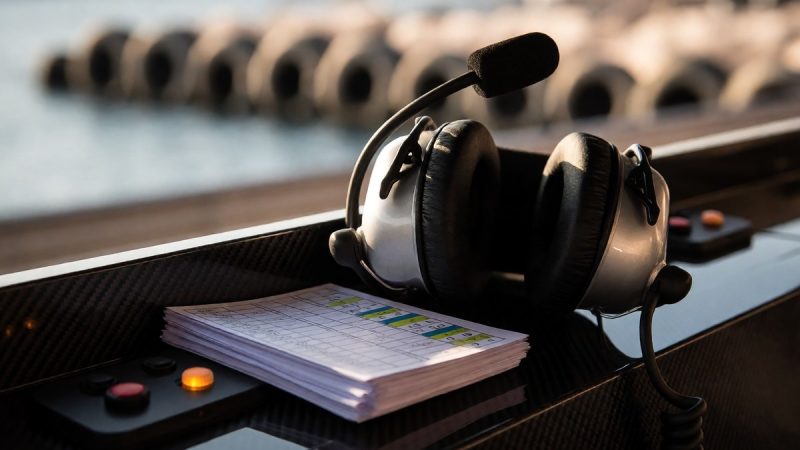
The track engineer communicates necessary maneuvers to Leclerc to ensure the flying lap occurs in the best possible conditions. The driver’s role involves a fast learning curve in the first races of the season. Drivers must provide input on the chassis, engine, and energy management systems. This input is even more critical in 2026 because of the major changes in the car.
Drivers spend many hours in the simulator to prepare for the new regulations. They must learn how to manage tires and the battery simultaneously. While energy management can be simulated, on-track battles, mistakes, and external events are difficult to replicate. The team relies on the driver to provide real feedback from the track.
Vasseur admits the 2025 season was tough for Lewis Hamilton after his twenty years at Mercedes. The team works to understand exactly what Lewis needs and what he wants to do. You know how much a driver relies on the track engineer to nail a qualifying lap under these new rules.
The competitive landscape in 2026
The margins between top teams have narrowed in 2026. Less than a tenth of a second separates top cars in qualifying. Ferrari remains in second place in the constructors’ championship due to its continuous upgrade path. The team uses incremental updates to stay competitive against rivals.
The team must also account for the possibility of teams exploiting loopholes in the regulations. Vasseur believes that arriving in Bahrain or Australia without some gray-area solutions is a huge challenge for any team. If a team exploits the regulations cleverly, it is a fair way to build a faster car. However, these loopholes can be dangerous for the FIA to manage.
Will the rapid performance escalation throughout the 2026 season favor the teams with the biggest initial lead or the teams with the most efficient budget management?
Ferrari continues to focus on the synergy of all components. The team works on engine performance, aerodynamic stability, and tire durability to close the gap with competitors. Success in this new era depends on how well the team adapts to the complex energy management and chassis requirements.