McLaren’s 2026 brake-by-wire rear bias algorithm explained
The 350kW MGU-K introduces massive retarding torque to the rear axle, requiring a brake-by-wire system to adjust mechanical caliper pressure. This algorithm maintains consistent rear braking force by compensating for electrical harvesting to prevent instability.

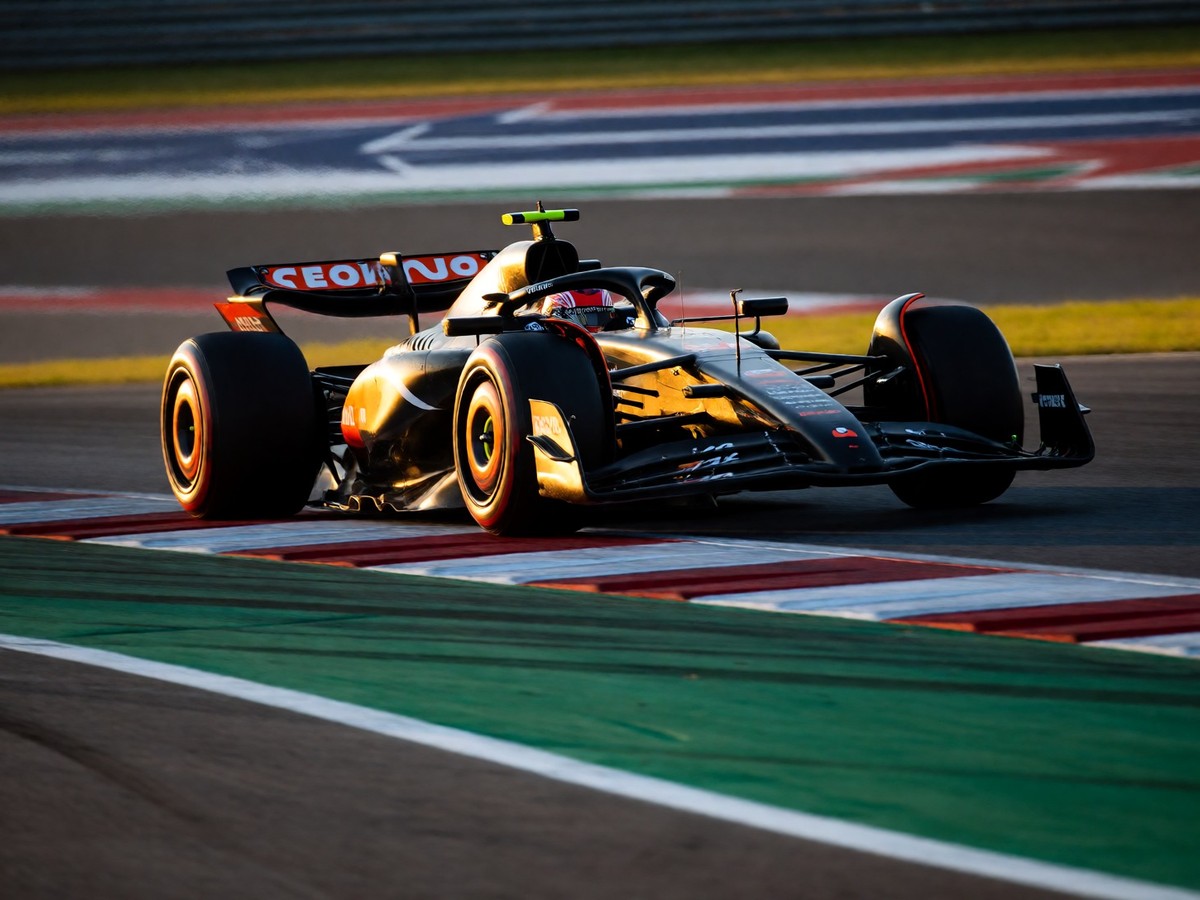
The 350kW MGU-K changes everything about how a 2026 Formula 1 car stops. Because the electrical motor harvests so much energy, it provides a massive amount of retarding torque to the rear axle. This electrical force works alongside the mechanical brakes. Engineers must reconcile the MGU-K harvesting capability with the driver’s pedal inputs to prevent instability. If the system does not manage this, the car suffers dramatic rear instability during heavy deceleration.
The front brake system mechanics
The front brakes handle 70 to 75 percent of the total braking force. Weight transfers to the front axle when the car decelerates, and this movement increases the grip capacity of the front tyres relative to the rear. The front brake discs have a diameter between 325 and 345 millimeters. This larger size provides more swept area for the pads to generate friction. It also provides more thermal mass to absorb the heat from repeated heavy braking events.
The front system remains purely mechanical. The driver’s foot force on the pedal creates hydraulic pressure through the hydraulic master cylinder. This pressure moves the calipers to squeeze the pads against the discs. There is no electrical assistance at the front. The directness of this system gives drivers the detailed feel they use to judge braking points and modulate force through the corner entry phase.
The rear braking triad
The rear braking environment involves three distinct sources of deceleration. First, the carbon discs and pads generate friction via the hydraulic calipers. Second, engine braking occurs when the driver lifts off the throttle and the engine drags on the rear wheels. Third, the MGU-K applies electrical retarding torque during harvesting. The total rear braking force equals the sum of the mechanical caliper force and the MGU-K’s electrical torque.
If the MGU-K’s harvesting torque adds to the full mechanical caliper force that the pedal input would generate, the total rear braking exceeds the driver’s intended level. This would cause the rear to lock or step out under heavy braking. The brake-by-wire system prevents this by reducing the mechanical caliper pressure at the rear in proportion to the harvesting torque. This keeps the total rear braking force constant at the level the driver commands.
The brake-by-wire logic
The brake-by-wire system reads the hydraulic signal from the rear master cylinder as a request for total rear braking. An electronic control unit takes this signal and the MGU-K harvesting data. The control algorithm calculates in real time what rear caliper pressure is needed to produce the driver’s commanded total rear braking force given the harvesting torque the MGU-K is currently applying. The system then sets the actuator to apply the correct pressure at the rear calipers.
The brake-by-wire system must respond fast enough to prevent any lag between driver input and rear response. A slow system produces a transient period of incorrect rear braking balance every time the harvesting torque changes. This makes the braking feel inconsistent and unpredictable during the phase where the driver modulates pressure. Engineering such a system requires extreme reliability across the full operating range. The performance of this system determines how confidently drivers exploit the car’s braking limits.
Brake bias and the steering wheel
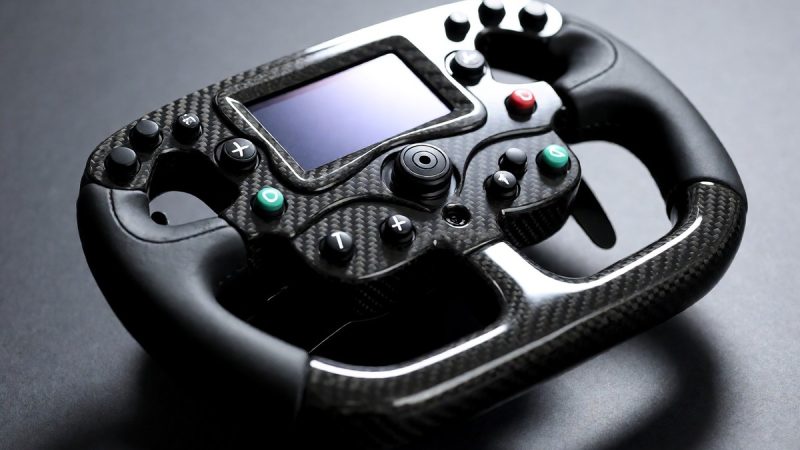
The brake balance is the ratio of braking force between the front and rear axles. Drivers change this via a rotary control on the steering wheel. Moving the bias toward the front increases front caliper pressure. Moving it toward the rear increases rear caliper pressure. In 2026, the brake-by-wire system mediates the rearward adjustment.
A rearward bias adjustment tells the brake-by-wire system to allocate a higher fraction of the total rear braking demand to the mechanical caliper and a smaller fraction to the harvesting torque. This provides an equivalent adjustment to a conventional system, but the mechanism relies on the electronic actuator. Drivers use these adjustments to adapt to tyre wear, fuel load changes, and specific corner requirements. You already know that F1 drivers need precise feel to judge braking points.
Thermal management and hardware
Carbon-carbon composite discs handle the extreme heat of F1 braking. These discs work best between 400 and 1000 degrees Celsius. If the temperature drops too low, the coefficient of friction changes and the brakes do something different than the driver expects. Charles Leclerc experienced a nightmare at Monaco when three of his four brakes failed to work.
Too much cooling airflow drops the temperature below the optimal window. This reduces friction performance and can cause the disc to crack due to thermal shock. Too little airflow allows the disc to overheat and leads to brake fade. Brembo updated the hardware for 2026. The rear braking systems are up to 20 percent smaller, and calipers can now use three mounting points instead of two.
2026 Technical Specifications
| Component | Specification |
|---|---|
| Overall vehicle weight | 772kg (including driver) |
| Front weight distribution | 44% to 46% |
| MGU-K maximum power | 350kW |
| MGU-K maximum speed | 60,000rpm |
| MGU-K energy recovery/deployment | 9MJ per lap |
| Energy store maximum capacity | 4MJ per lap |
| Front brake disc diameter | 325mm to 345mm |
| Rear brake disc diameter | 260mm to 280mm |
| Brake caliper type | AP Racing |
| Brake disc material | Carbon-carbon |
The driver’s struggle
Andrea Stella says the 2026 cars are difficult to drive. The reduction in aerodynamic load and smaller tires leave drivers with less mechanical grip. He also notes the inconsistencies in energy deployment. A sudden super clip of energy at the end of a straight can cause a driver to lose their braking reference.
The complexity of the electrical deployment wreaks havoc on driver spatial awareness. Drivers must manage intense energy harvesting while the car is highly sensitive to wind changes. This makes the 2026 season a punishing experience for anyone who fails to find the perfect rhythm. How do engineers perfectly balance the instant electrical surge against the physical limits of the carbon discs?