The economics of Ferrari’s 2026 Maranello simulator upgrade arms race
Formula 1 teams face a massive technical overhaul for 2026, driving a simulator arms race where Red Bull uses Oracle Cloud Infrastructure to run four billion simulations per race day. Ferrari attempts to close the data gap using Amazon Web Services to manage hundreds of petabytes of information.

The 2026 technical overhaul
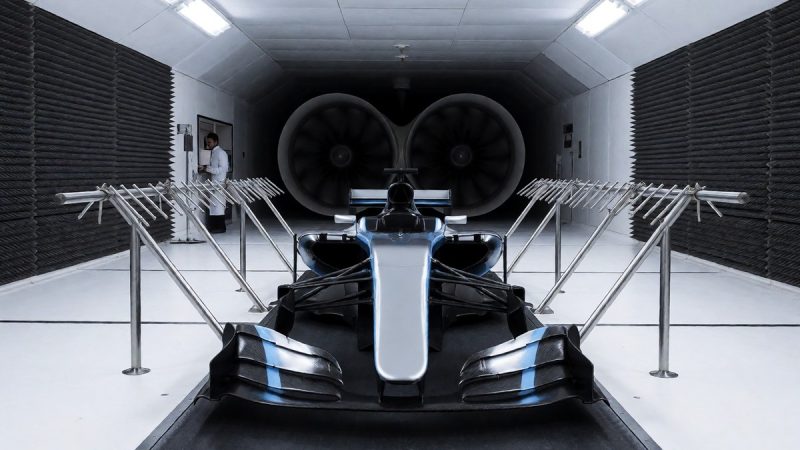
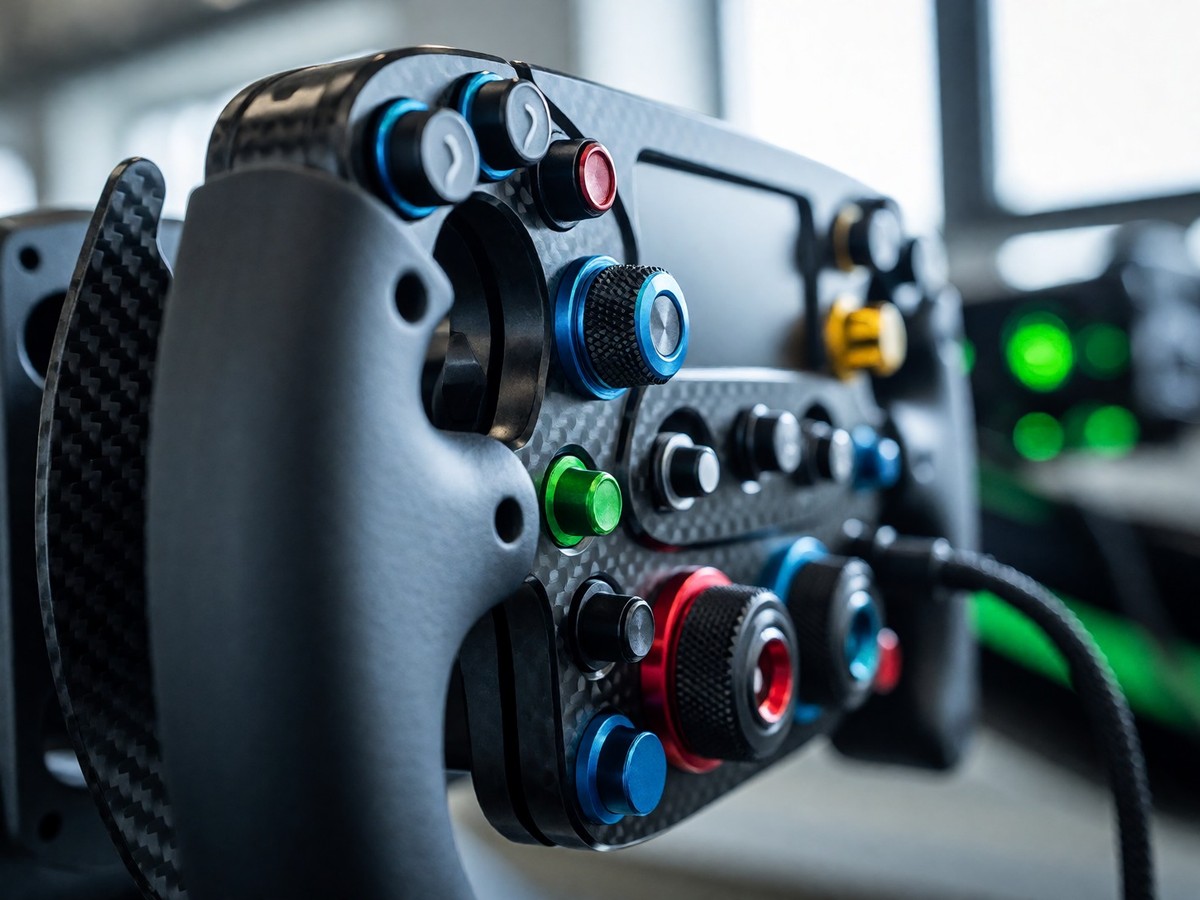
The 2026 regulations force a total redesign of the technical package. Teams must replace every component including the chassis and the hybrid power unit. Engineering departments shift their focus from traditional wind tunnels toward high-fidelity digital environments. This transition requires massive investment in computing power and software. Without these digital tools, teams cannot effectively test the new hybrid power units. Every steering wheel and seat belt is new for the 2026 season. Teams must reinvent everything to stay competitive in this new era.
The shift toward simulation is a response to the new chassis and power unit rules. Engineers no longer rely solely on asphalt testing to develop the car. Instead, they build digital twins to test aerodynamic profiles and mechanical setups. This digital approach allows teams to fail fast and learn faster in a virtual world. High-fidelity simulation provides a way to squeeze efficiency out of every dollar spent under the regulations.
Red Bull computing dominance
Red Bull Racing uses Oracle Cloud Infrastructure to run four billion simulations on a single race day to analyze tire wear, track conditions, and competitor tactics while allowing the team to react to changes in real time. This computing power helps the team predict outcomes with high accuracy. The team uses ARM shapes to gain vast parallelism. This setup allows the team to run 1,000 servers for one hour or one server for 1,000 hours at the same cost. Max Verstappen relies on these simulations to prepare for different race scenarios. He says the ability to adapt a strategy during the race is easy because everything is prepared in advance.
The team uses these massive computing resources to improve its race strategy. While other teams use machine learning to analyze data, Red Bull uses neural networks to increase its predictive accuracy. These networks mimic the structure of the human brain to find the best path through a race. This capability gives the team an advantage in predicting what will happen in the next two or three laps. Red Bull maintains a technological advantage through cloud computing that Ferrari cannot match.
Ferrari data management
Ferrari uses Amazon Web Services to manage hundreds of petabytes of data. The team uses Amazon S3 and AWS Lake Formation to collect and clean this information. This partnership aims to create a data-driven organization. Mattia Binottio previously stated this collaboration would create a data-driven organization. The team uses these tools to understand track temperature, lap times, and grip levels. However, the Scuderia often produces unsuccessful strategies during races. The models do not always predict the outcome of the following laps.
The Maranello team attempts to solve these problems through heavy investment in cloud computing. They use these tools to catalog and clean the information coming from the track. This data is essential for refining the car’s performance. The team works to improve how its models handle stochastic events that happen during a race. Can Ferrari close the data gap before the 2026 season begins?
| Category | Detail |
|---|---|
| 2026 Cost Cap | $215 million |
| Red Bull Revenue (2025) | €12.2 billion |
| Max Verstappen Salary | $65 – $70 million |
| Dynisma Latency | 3 – 5 milliseconds |
| RB18 Simulator Price | $185,980 |
| Horner Payoff | >$100 million |
Simulator hardware costs
High-performance simulation systems from companies like Dynisma cost teams between £3 million and £10 million. These machines use a hydraulic motion platform with a latency of 3 to 5 milliseconds. This low delay allows drivers to respond to car movements at 200 mph. Older systems with 20 to 50 milliseconds of delay destroy the illusion for the driver. Enthusiasts can buy a Red Bull RB18 show car simulator for $185,980. This simulator uses a genuine chassis and a hydraulic motion platform. It includes an OCUK Bespoke PC and an AOC AGON AG493UCX2 monitor. It also uses a Simucube 2 Pro wheel base and Heusinkveld Ultimate+ pedals.
The cost of these machines creates a barrier for smaller teams. While top teams use bespoke systems to test aerodynamic and mechanical updates, the gap between professional and consumer tech is wide. A professional-grade simulator is a necessity for driver development. It allows drivers to familiarize themselves with new circuits at a fraction of the cost of a real-world test day. A real-world test in a junior formula costs between £7,000 and £20,000.
The budget cap constraints
The F1 cost cap rises to $215 million in 2026. This limit excludes driver salaries and the salaries of the three highest-paid employees. It also excludes marketing and finance costs. You already know that the budget cap dictates every decision in the paddock. Big teams like Mercedes, Ferrari, and Red Bull run programs with budgets near $400 million. Teams now look to reallocate staff to other activities to stay within the rules.
The 2026 limit is a significant increase from the previous $135 million cap. This increase accounts for the scale of the new chassis regulations. Teams must change their processes to meet these new financial rules. If the independent accounting body finds any cheating, the penalties are brutal. Sanctions include the loss of points in the drivers’ and constructors’ championships and limitations on testing. Any CEO or team principal who is aware of inaccurate reports can face personal sanctions.
Engine development and loopholes
Red Bull Ford Powertrains works on the next generation of hybrid engines. The team uses Oracle Cloud Infrastructure to run computational fluid dynamics models. This helps them design the fuel spray pattern for the cylinders. Some manufacturers, including Red Bull-Ford and Mercedes, reportedly identified a loophole in the engine compression ratio rules. Ross Brawn noted that these manufacturers interpreted the rules in a smart way.
The cost of engine components is another battleground within the budget cap. In Brazil, Red Bull installed a new power unit for Max Verstappen to gain performance. This decision led McLaren team principal Andrea Stella to question how such an expensive engine change fits within the cost cap. Each additional power unit carries costs for hardware, production, and logistics. While Red Bull took a gamble to improve its race performance, rivals see these moves as a way to exploit grey areas in the regulations.
Personnel and driver business
Red Bull extended Max Verstappen’s contract through 2030. This deal follows significant personnel changes at the team. Christian Horner left as team principal in July 2025 with a payoff exceeding $100 million. Adrian Newey left for Aston Martin earlier in 2025. Gianpiero Lambiase will join McLaren in 2028. Max Verstappen earns between $65 million and $70 million per year. He also has personal sponsorships with Heineken and TAG Heuer. He also has a deal with Fanatics to build a retail business.
The commercial value of a driver like Verstappen is enormous. Red Bull is a company built to sell attention rather than just lap times. The team uses its driver as a marketing tool to drive sales of its energy drinks. Red Bull GmbH earned €12.2 billion in revenue for the 2025 financial year. It shifted 12.7 billion cans in 2024. Verstappen’s business interests also include his sim-racing team, Team Redline, and his racing operation, Verstappen.comRacing.
The commercial landscape
The economics of Formula 1 are shifting toward diverse revenue streams. Teams like Ferrari and Mercedes look to use their technical expertise in other series. Ferrari explores opportunities in the NTT IndyCar Series and the WEC. Mercedes has an involvement in Formula E and uses its technology division to work on diverse projects. Red Bull has Red Bull Advanced Technologies, which develops solutions for clients in aerodynamics and simulation. This division worked with Aston Martin on the Valkyrie and Valhalla models.
Sponsorship deals provide the liquidity needed to fight the simulator arms race. Oracle signed a deal with Red Bull valued between $300 million and $500 million over five years. This agreement places Oracle among the most lucrative sponsors in the sport. In 2025, Red Bull signed a multi-year partnership with the investment firm Carlyle. This was the first time a global investment firm backed an F1 team. The ability to leverage brand equity is what allows teams to survive the constraints of the budget cap.