Using the FIA tire pressure monitoring dashboard for Zandvoort strategy
FIA tire pressure monitoring systems provide real-time carcass temperature and pressure data to help teams manage Pirelli C2, C3, and C4 compounds. Engineers analyze these readings to optimize one-stop and two-stop strategies amidst the high lateral loads of Zandvoort.

Zandvoort presents specific challenges for tire management because the circuit contains medium-to-low speed corners and banked turns. These characteristics place high longitudinal and lateral loads on the tires. Track grip is low and sand from the coast affects the conditions. Pirelli selected the C2 hard, C3 medium, and C4 soft compounds for the Dutch Grand Prix. This selection differs from the softest combination used for Monza. Teams must account for these loads when interpreting the real-time TPMS data. Will the sand on the track change the effectiveness of the two-stop strategy?
TPMS sensor functionality
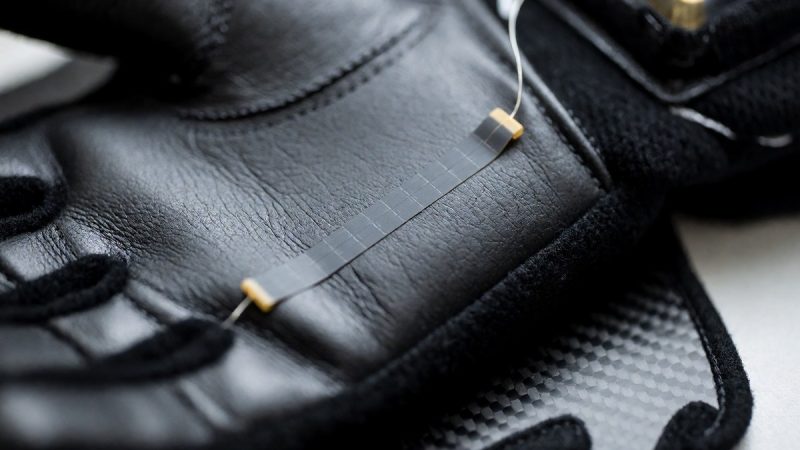
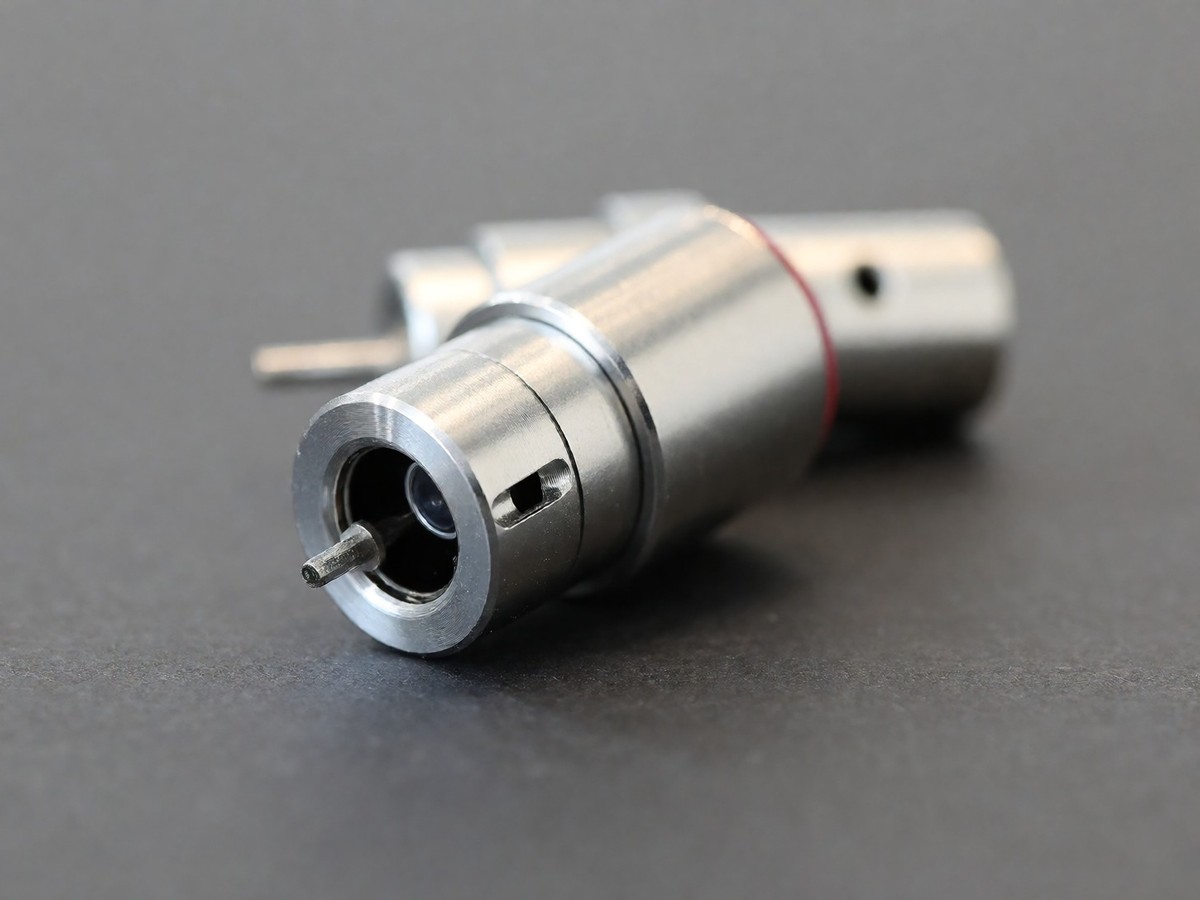
The FIA TPMS equipment includes a wheel sensing unit that transmits data wirelessly to a remote receiver. This unit sends pressure measurements, rim temperature, internal air temperature, and inner carcass temperature. Each sensor has a unique serial number to distinguish readings between individual tires. The system covers the needs for on-car use and for typical F1 tire storage in the garage. Each team manages up to 200 sensors to handle 50 sets of tires. Inside every TPMS sensor, a pressure cavity tracks changes in air pressure in real time. This sensor uses a microcontroller, an RF transmitter, and a temperature sensor. A tiny battery powers the sensor and lasts between five and ten years. To save power, the sensors sleep when the car is parked and wake up with wheel movement. Sensors transmit new data every 30 to 60 seconds while driving, but they may signal more frequently during rapid changes.
Data reception systems
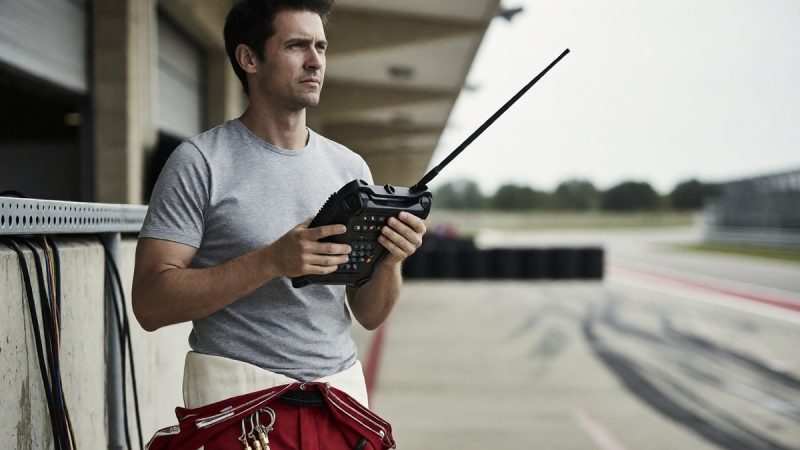
The hardware architecture relies on several connected components to ensure data accuracy. The on-car receiving system uses an ECU and antenna to collect data from four wheel sensing units and forwards those data via CAN to one or more designated FIA Electronic Control Units. Teams also use an off-car receiving system that stores data on a remote server. This off-car system uses its own ECU and antenna. The system is accessible only to the team with a unique team ID and the FIA. There is also an optional portable off-car receiver to collect data from a single sensor. The FIA maintains a portable off-car receiver that can access any team ID.
Pirelli compound characteristics
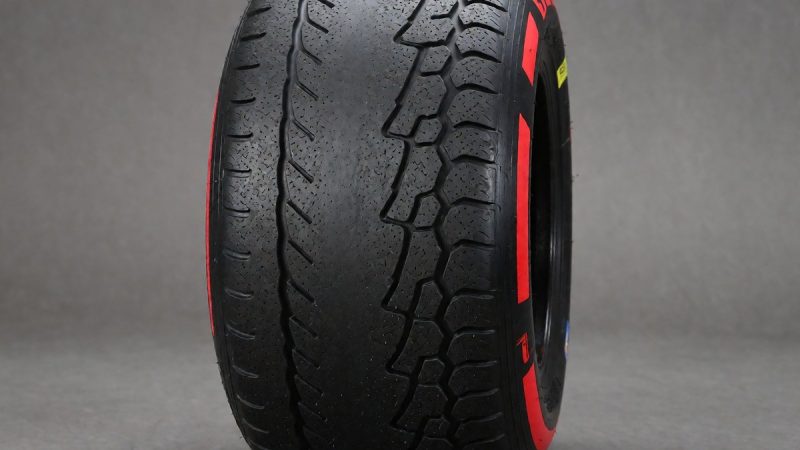
Strategy calls depend on how the C2, C3, and C4 compounds behave under Zandvoort loads. In the Saturday Sprint, Charles Leclerc and Oliver Bearman used the C4 soft. The rest of the field used the C3 medium. Pirelli notes that the C3 medium suffers more surface abrasion than the C2 hard. Track temperature is approximately 27 degrees Celsius and the air temperature is 19 degrees Celsius. Lando Norris took pole with a time of 1:11.163, ahead of George Russell and Kimi Antonelli. Max Verstappen started seventh. Engineers use the inner carcass temperature to judge if the soft compound will hold its pace. The grip provided by the soft compound was considerable during the Sprint.
The one-stop strategy
The race covers 72 laps and drivers must manage tire wear to extend stints. Pit stops take about 20 seconds. A one-stop strategy involves starting on the C3 medium and switching to the C2 hard between laps 27 and 33. This is the route Pirelli calls quickest for Sunday. An alternative one-stop starts on the C4 soft and uses the C2 hard between laps 26 and 32. This soft-led alternative is around one second slower than the medium to hard route. This route is a possibility because the soft showed significant grip during the Sprint.
Two-stop strategy options
Two-stop strategies are options in clean air. One route starts on the C3 medium, switches to the C2 hard between laps 24 and 30, and finishes on the C4 soft between laps 46 and 52. A different two-stop route starts on the C4 soft, switches to the C3 medium between laps 21 and 27, and uses a second set of C3 medium tires between laps 45 and 51. These routes are harder to execute if the driver gets stuck in traffic. Overtaking opportunities at Zandvoort are limited, so the risk of losing time in traffic is high. If a driver loses time in the pits, they might not recover the position on track.
Managing overheating and dirty air
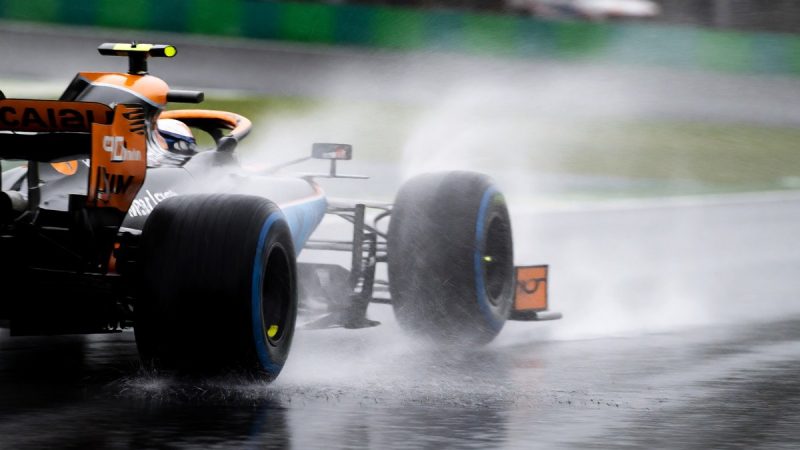
Overheating is a major problem when following other cars. Max Verstappen noted that following Oscar Piastri caused his tires to overheat. This heat makes passing difficult because the dirty air ruins the tire temperature balance. The RB22 lacked the performance to overcome this. The TPMS provides the inner carcass temperature to help engineers see this. If the pressure rises too high due to heat, the driver might lose grip. The dashboard shows the temperature of the air inside the tire as well. If the temperature increases rapidly, it suggests the tire is struggling with the loads of the banked turns.
Garage sensor management
Garage management requires the team to monitor all tire sets using the TPMS. The system provides metadata and diagnostics through the wireless wheel sensing unit. The FIA also provides a portable off-car receiver for single sensor data. Teams use the remote server to organize data by team ID. You should monitor the remote server to ensure the connection remains stable. The system must handle the installation requirements for a typical garage layout. Every team receives their TPMS examples in February. The sensors must work with the standard 18-inch rims.