McLaren and Mercedes secure 2026 power unit deal
McLaren Racing and Mercedes-Benz have extended their partnership through 2030, making McLaren the first customer team for the 2026 power unit regulations. The new engines will produce over 1000 horsepower and utilize 100% sustainable fuel.

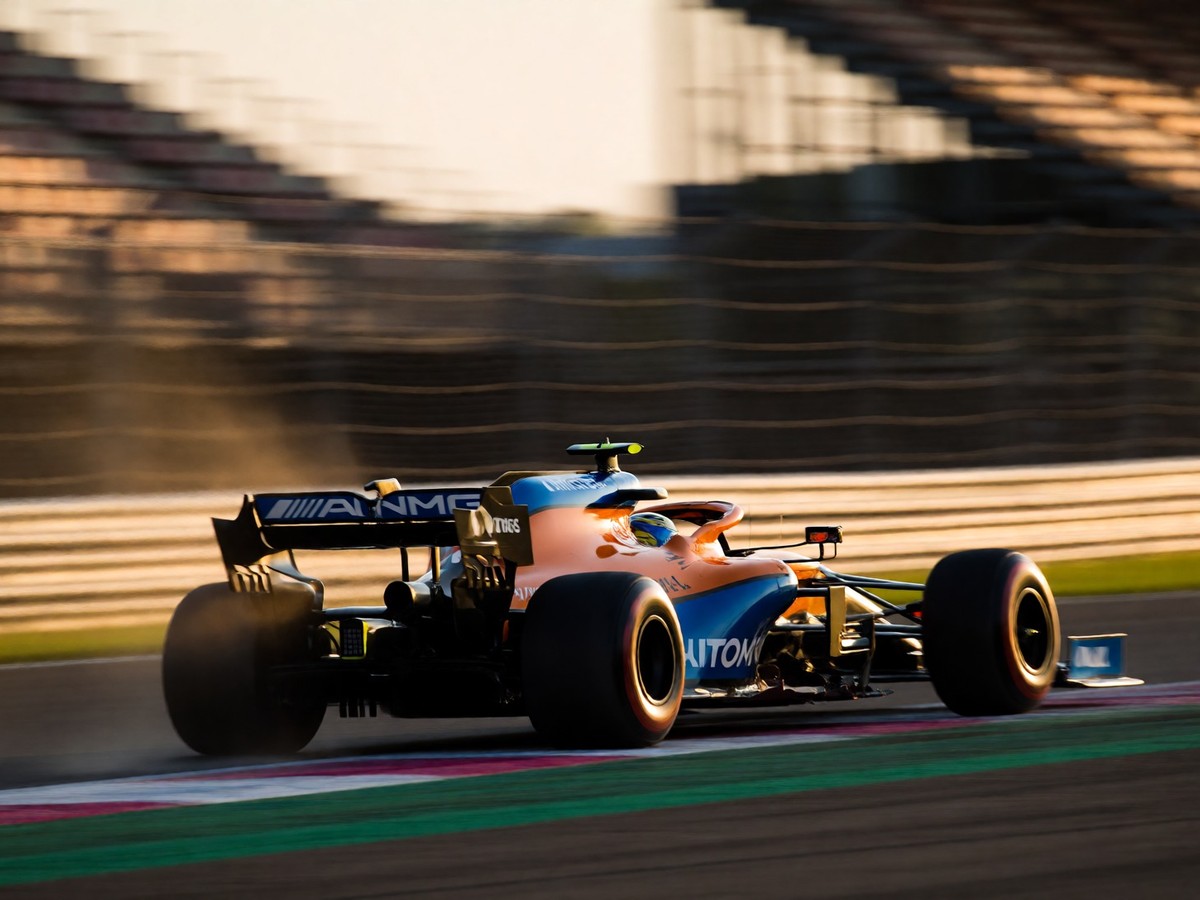
McLaren Racing and Mercedes-Benz confirmed a power unit agreement that extends the partnership until 2030. This deal makes McLaren the first customer team for the 2026 power unit regulations alongside the Mercedes works team. McLaren has used Mercedes-AMG power since 2021 and previously from 1995 to 2014. The 2026 regulations introduce a 50% split between internal combustion and electrical power.
The new power units will produce over 1000 horsepower. Engineers increased electrical performance and rebalanced the internal combustion engine to reach this output. A single 350 kW electric motor will replace the current MGU-K, which is nearly three times less powerful. The 2026 cars will run on 100% sustainable fuel that meets strict production and formulation criteria.
Mercedes-AMG High Performance Powertrains in Brixworth has been developing these units since mid-2022. This facility produces all Mercedes-AMG F1 powertrains and develops high-performance electric propulsion technology. Mercedes-AMG has powered 114 victories in 203 Grands Prix, including two wins for customer teams.
| Component | 2026 Specification Detail |
|---|---|
| Max Power Output | Over 1000 horsepower |
| Electrical Power Split | 50% |
| Electric Motor (MGU-K) | 350 kW |
| Fuel Type | 100% sustainable fuel |
Technical advantages and chassis challenges
Andrea Stella, McLaren Team Principal, says a reliable engine is a necessary condition but not sufficient to contend for championships. He notes that significant work remains on the chassis side. McLaren saw its competitiveness change when it did not develop the car for certain races, even after fitting upgrades in Austria and Singapore.
Mercedes holds a technical advantage because the manufacturer designs the power unit and the chassis together. McLaren must wait for Mercedes to provide power unit information so the team can design a layout that works with the MCL40 chassis. Martin Brundle suggests that Mercedes might provide this information to McLaren as late as possible.
Mercedes will use the W17 chassis, while McLaren uses the MCL40. Both cars will use the same Mercedes power unit. Mercedes aims to win the championship, but Brundle claims Mercedes might prefer another team to win if they cannot win with their own car.
The 2026 cars will feature shorter wheelbases, narrower bodies, and lighter weights. Active aerodynamics with moveable front and rear wings will replace the current DRS. Drivers will also receive an "Overtake Mode" for power boosts during races.
Financial scrutiny and the cost cap
The FIA manages a cost cap to limit technical spending and stabilize the business case for power unit supply. For the 2025 season, this cap stands at $135 million. The FIA also set a $215 million limit for the new 2026 car costs.
Mercedes-AMG High Performance Powertrains develops the 2026 units under these cost cap regulations. This limits the maximum technical spend on the project. McLaren’s Zak Brown notes that the cost cap introduced by Liberty Media ensured financial and on-track stability.
Andrea Stella has called for the FIA to clarify if engine changes for performance reasons fall under the budget cap. He raised this point after Max Verstappen took a new power unit in Brazil, which included the MGU-K and MGU-H. The change took Verstappen over his allowance of four units, forcing a pitlane start.
Red Bull boss Laurent Mekie admitted the change for Verstappen was about performance. He stated the team wanted to take the opportunity because they wanted to change the car again. Stella argues that if a change is for performance rather than reliability, it should count toward the cost cap.
McLaren revenue and driver compensation
McLaren Racing expects to become the first F1 team to exceed $1,000,000,000 in annual revenue. Financial filings for the 2025 calendar year will show revenue of £588,000,000 ($779,600,000). F1 activities generate more than 90% of this total income.
These filings will also show a payout of over £75,400,000 ($100,000,000) for CEO Zak Brown. This follows a 2024 payout of £6,000,000 base salary and a £31,000,000 long-term incentive plan. The 2024 figure tied to a share award from a corporate buyout where Bahrain’s Mumtalakat and Abu Dhabi’s CYVN Holdings acquired the remaining 30% of external shares at a £3,500,000,000 valuation.
Zak Brown says the sport is growing in demand for teams and fans. He notes that the competition is great and the demand for Grands Prix remains strong. He also mentions that the sport has 24 races and the potential for 30.
| Financial Metric | Value |
|---|---|
| Projected 2025 Revenue | £588,000,000 ($779,600,000) |
| Zak Brown 2024 Payout | Over £75,400,000 ($100,000,000) |
| Corporate Buyout Valuation | £3,500,000,000 |
| 2025 Cost Cap | $135,000,000 |
The competitive landscape in 2026
The 2026 season includes five engine manufacturers. Mercedes, Ferrari, Honda, Red Bull Powertrains, and Audi will provide power units. Renault is leaving the sport at the end of 2025.
Red Bull Powertrains is partnering with Ford to develop its engine. This partnership ends Ford’s absence since 2004. Racing Bulls will also use the Red Bull Ford engine.
Audi is entering the sport through a majority takeover of Sauber. Ferrari will supply engines to Haas and the new Cadillac team. Cadillac will eventually switch to General Motors engines in 2029.
Aston Martin will use Honda engines starting in 2026. This ends Aston Martin’s use of Mercedes power units. Honda is also a manufacturer for the 2026 regulations.
| Manufacturer | Primary Team Partner | Other Customers |
|---|---|---|
| Mercedes | Mercedes Works | McLaren, Alpine, Williams |
| Ferrari | Ferrari | Haas, Cadillac |
| Red Bull Ford | Red Bull Racing | Racing Bulls |
| Honda | Aston Martin | N/A |
| Audi | Sauber | N/A |
Reliability and performance trade-offs
Modern power units do not show much degradation with mileage. Andrea Stella notes this when discussing why teams might not change an engine despite a performance gain. Changing an engine can lead to a penalty or a loss of positions.
In the current season, the McLaren MCL60s of Lando Norris and Oscar Piastri showed reliability on the power unit, except for the Bahrain race. McLaren has scored 15 podium finishes in the last three seasons.
Lando Norris won the Drivers’ title in 2025. In the 2026 championship standings, Kimi Antonelli leads with 302 points, followed by George Russell with 236 points. Lando Norris sits fourth with 186 points.
The decision for McLaren to stay with Mercedes was simple for Stella because of the technical reassurance and operational standards. He believes McLaren will remain competitive from a power unit perspective. However, he maintains that the team must focus on chassis development to remain at the front.
Complexity of engine leasing strategies
Teams often lease engines to reduce costs and technical independence. A single power unit can cost between $10,000,000 and $15,000,000. This price includes hybrid components and development expenses.
Manufacturers invest heavily in research and development to gain a competitive advantage. They use wind tunnel testing, simulations, and continuous upgrades. This makes engine supply a high-risk investment.
Mercedes supplies four teams for 2026: McLaren, Alpine, Williams, and the Mercedes works team. Williams extended its partnership with Mercedes into the 2026 cycle. This is Williams’ longest continuous relationship with an engine manufacturer, starting in 2014.
Will the increase in electrical power demand make the cost of leasing engines even higher for customer teams?
Regulatory compliance and disputes
The FIA monitors team spending to ensure a level playing field. In 2024, all ten teams met the cost cap. Aston Martin was the only team to report a procedural breach.
The breach involved a deadline for documentation that the team missed because an auditor could not provide a signature. The FIA and Aston Martin entered an Accepted Breach Agreement on 29 September 2025. No financial penalties were levied because of the unpredictable circumstances.
Red Bull faced a material breach in 2021 when it overspent by 5%. The FIA fined the team $7,000,000 and gave it a 10% reduction in wind tunnel and CFD testing.
Zak Brown suggested to the FIA that teams making allegations against rivals should lodge a formal complaint with a monetary deposit. Mohammed Ben Sulayem, the FIA president, is studying this proposal. He suggested a fee of $50,000 for such complaints. He wants the money to act as a deterrent for baseless claims.