FIA technical sensor calibration and driver neurological safety
The FIA is managing technical sensor calibration to address neurological impairment caused by mechanical energy from the Honda RA626H power unit. New oscillation metrics using earpiece accelerometer data aim to prevent dangerous vertical movements and driver physical distress.

The FIA manages the technical calibration of driver health and vehicle stability sensors as the 2026 Formula 1 season approaches the Miami Grand Prix. This regulatory focus follows a series of systemic failures involving power unit energy management and physical driver impairment. The 2026 regulations changed the power unit architecture by reducing the internal combustion engine output from 550kW to 350kW. The electric motor output tripled from 120kW to 350kW, creating a 50/50 hybrid split where both components contribute equal power. This shift increased the recoverable energy per lap to approximately 8.5 MJ. Real-time energy management became the most decisive variable in competitive performance.
Mechanical energy and neurological impairment
Mechanical energy from the Honda RA626H power unit transmits through the chassis into the drivers’ hands. This vibration causes progressive neurological impairment at race pace. Alonso could not complete more than 25 consecutive laps before risking permanent nerve damage. Stroll’s threshold was only 15 laps. During the Shanghai Grand Prix, both Aston Martin drivers retired. Stroll exited the race by lap 10 due to a suspected battery failure. Alonso withdrew after 32 laps. Onboard footage captured Alonso removing both hands from the steering wheel to shake them while at speed. His post-race statement indicated he struggled to feel his hands and feet from lap 20 to 33. This situation creates a validation gap where a power unit passes FIA homologation while still transmitting enough energy to impair a driver.
Vertical oscillation and earpiece accelerometer data
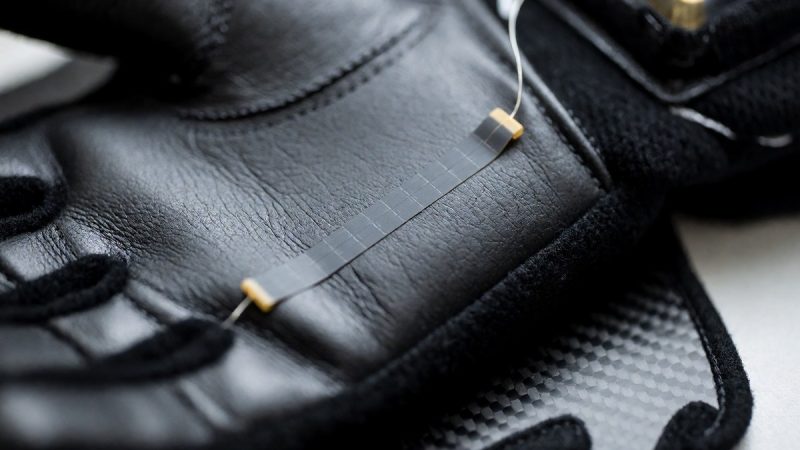
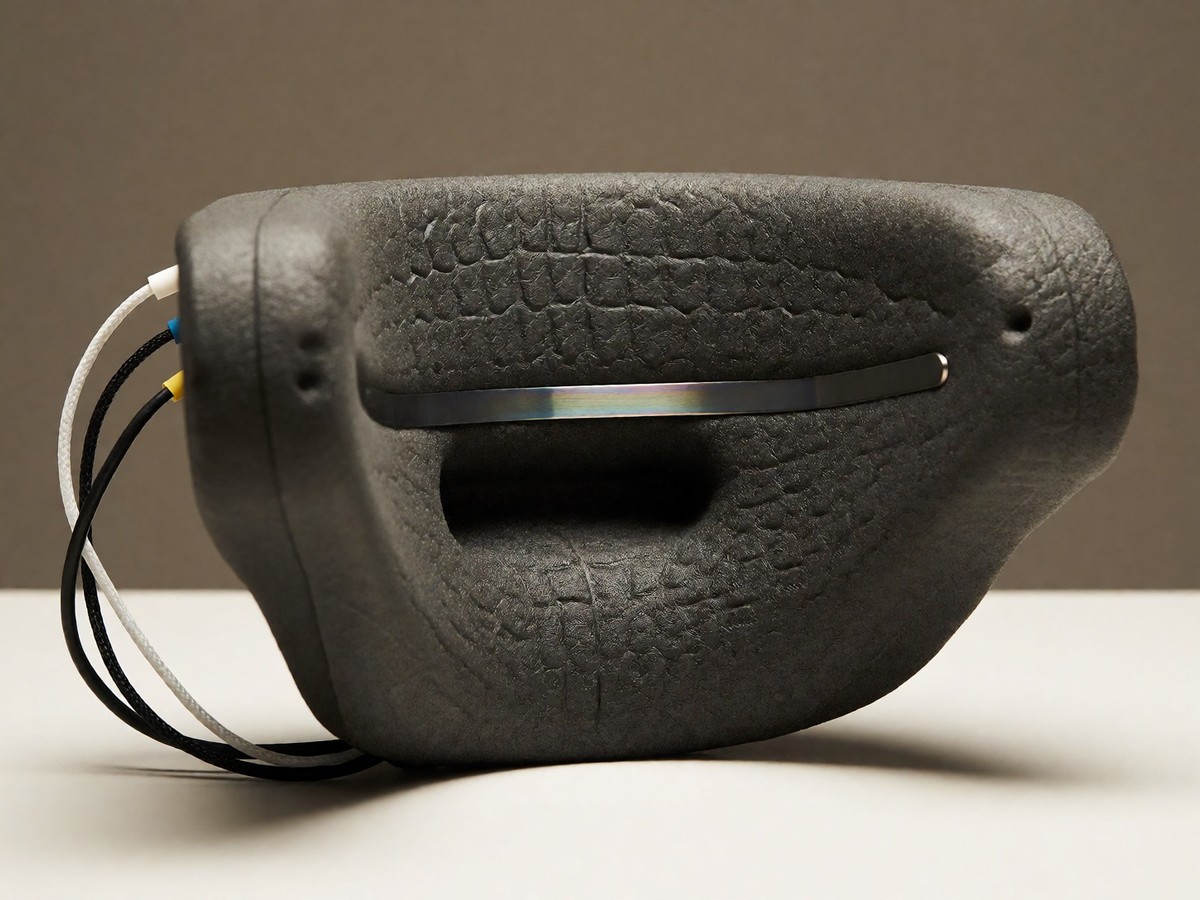
The FIA moves toward a permanent solution for aerodynamic bouncing through a new oscillation metric. The governing body defines a metric to monitor vertical oscillation and has established initial limits for these movements. This technical directive ensures drivers do not suffer from high-frequency bouncing that causes back pain. The metric uses accelerometer data from the mandatory earpieces worn by every driver. If a driver experiences 10G oscillations, the force on the body is immense. The FIA intends to use this data to ensure drivers do not suffer from dangerous levels of vertical movement. The FIA also issued updated parameters for plank wear and skid stiffness because these factors relate to the oscillation issue.
Electrical deployment and closing speeds
Differences in electrical boost cause dangerous closing speeds between cars. At Suzuka, Oliver Bearman had to take evasive action to avoid Franco Colapinto’s Alpine and spun into a wall. The difference in electrical boost between the two cars caused Bearman to arrive on Colapinto’s rear wing much faster than expected. To address this, the FIA changed the regime of electrical deployment. Maximum additional power in boost mode in race conditions is now capped at 15kW. MGU-K deployment remains at 350kW from corner exit to braking point, but drops to 250kW everywhere else. Lando Norris had to back off the throttle at 130R to avoid hitting the back of Lewis Hamilton’s Ferrari, and he received more power than expected when he hit the accelerator again. This quickly depleted his battery.
Telemetry integrity and e-Safety protocols
Mercedes engineers use remote telemetry to identify anomalies and resolve them under intense time pressure. In Shanghai, Mercedes diagnosed a first-gear issue on George Russell’s car to secure his P2 qualifying and race result. McLaren engineers faced a two-hour delay because FIA e-Safety protocols restricted physical access to the high-voltage systems. Personnel cannot physically probe the high-voltage architecture until the system is formally discharged and an e-Safety officer completes the required safety checks. This two-hour window requires actionable intelligence from telemetry streams to be effective. Without validated data, engineers must work through raw sensor streams to reconstruct a failure timeline. You likely know how much a single sensor error can ruin a race weekend.
Plank wear and aerodynamic stability
Teams attempt to manage the 1mm wear limit on the 10mm plywood veneer composite plank to maximize downforce. The thickness must not fall below 9mm at the four measurement points. If a team breaches these limits, the FIA may issue disqualifications. In October 2023, Lewis Hamilton and Charles Leclerc faced disqualification after post-race scrutiny showed their planks exceeded the permitted wear limit. Lando Norris faced scrutiny at the 2025 Las Vegas Grand Prix when his McLaren plank thickness was 8.88mm at a measurement point. Red Bull alerted the FIA to a loophole where teams used fastening screws at the rear to provide extra cushioning. The FIA now tightens stiffness requirements to prevent the use of flexible planks and unauthorized skids.
Driver monitoring and EU safety laws
The EU’s General Safety Regulation requires Advanced Driver Distraction Warning (ADDW) systems in all new passenger cars. These systems use an in-cabin camera to track eye movement and head position. If the system detects the driver looking away from the road for 3.5 seconds at speeds above 50 km/h, or 6 seconds between 20-50 km/h, it triggers an alert. This technology uses facial landmark detection and gaze estimation. Critics argue that mandating an always-on driver-facing camera normalizes a level of in-cabin monitoring. The regulation’s design intent is that ADDW processing happens locally in the vehicle, without storing or transmitting footage. Will the FIA’s new metric finally resolve the physical discomfort drivers experience at high speeds?
2026 Technical Specifications
| Component | 2026 Specification |
|---|---|
| Internal Combustion Engine Output | 350kW |
| Electric Motor Output | 350kW |
| Recoverable Energy per Lap | 8.5 MJ |
| Power Split Ratio | 50/50 |
| Minimum Car Weight | 768kg |
| Maximum Wheelbase | 3400mm |
| Maximum Width | 1900mm |
| Maximum Boost Power Cap | +15kW |
| Minimum Plank Thickness | 9mm |
The FIA continues to review how mechanical energies impact the human element of the sport. The focus remains on using sensor data to ensure that aerodynamic or mechanical bouncing does not compromise driver safety. Drivers must use specific modes to manage the 50/50 power split and energy harvesting needs. The 2026 regulations include active aerodynamics with X-mode for low drag and Z-mode for high downforce. The FIA manages these technical refinements through data-driven adjustments.