FIA 2026 fuel flow measurement sensor and power unit changes
The FIA is replacing the dual fuel flow measurement sensor setup with a single Allengra device featuring integrated ultrasonic sensors for encrypted data. This transition aims to simplify technical monitoring of power units while maintaining strict oversight of fuel consumption.


The FIA updated the fuel flow measurement (FFM) protocol to simplify technical monitoring of power units. In 2020, the technical regulations required two separate fuel flow measurement (FFM) sensors. One sensor provided data to the teams, while a second sensor provided the FIA with exclusive encrypted access to prevent irregularities. The 2026 regulations replace this two-sensor setup with a single device from the supplier Allengra. This Allengra device incorporates two internal ultrasonic sensors. One internal sensor provides data for team use, and the other provides encrypted data for the FIA to monitor. This consolidated design replaces the previous two-device setup with a single, integrated solution.
Allengra replaces dual sensor setups
The move to a single FFM device changes how the FIA monitors fuel consumption. The 2026 regulations use a single device from Allengra instead of the dual sensor system used since 2020. This new device contains two internal ultrasonic sensors. One sensor provides data for team use. The other sensor provides encrypted data for the FIA to monitor. This change ensures the FIA maintains its exclusive encrypted access to fuel flow data to prevent irregularities. This transition to a single device from Allengra provides a neater solution for the governing body.
Power management and the energy gap
The 2026 power units prioritize electrification with a 50-50 power split between the 1.6l V6 combustion engine and electrical components. The single turbocharger sits behind the engine. The electrical system provides 350kW of power. The MGU-K provides 350kW of deployment in acceleration zones and overtaking zones. In other parts of the lap, the rules limit MGU-K deployment to 250kW. This limit prevents the massive speed differentials seen when cars shift from minimal electric power to full electric power. The maximum power available through the boost in race conditions carries a cap of +150kW. This cap prevents sudden, unpredictable spikes in speed that could catch following drivers off guard. The power difference between a car on full boost deployment and one in harvesting mode could approach 500 horsepower depending on deployment states. This extreme differential contributed to the 50G impact experienced by Oliver Bearman at the Spoon Curve during the Japanese Grand Prix.
To manage energy, drivers use a superclip function to harvest power at the end of a straight. The FIA increased the peak superclip power from 250kW to 350kW. This change reduces the superclip duration to approximately 2 to 4 seconds per lap. In qualifying, the maximum permitted battery recharge dropped from 8MJ to 7MJ per lap. This reduction encourages drivers to maintain more consistent flat-out driving instead of coasting. Drivers also use a Recharge mode to harvest energy when braking, on part throttle, or when lifting off the throttle. A lift-off from the throttle pedal to recharge also disables the active aerodynamics. Drivers use boost and recharge mode buttons tactically through a race. Each driver is limited to four internal combustion engines, four turbochargers, and four exhaust sets. They are also limited to three MGU-Ks, three Energy Stores, and three Control Electronics throughout the season.
Active aerodynamics and wing movement
The 2026 aerodynamic philosophy focuses on an inwash design to reduce dirty air. The front wing is 100mm narrower than previous models and sits between the front tyres. It features a spoon shape that is lowest at the center and hangs from two pylons under the nose. New front wheel wake boards guide the wheel wake inboard to flow between the rear wheels. These bargeboard-like devices sit behind the front wheel to guide the wake. The underfloor has returned to a stepped design with a diffuser, replacing the ground-effect tunnels used in previous years. The floor is effectively flat from the leading edge to the diffuser. The floor edge includes teeth at the leading edge and an axe head shape under the wake boards. The FIA simplified the floor edge, as teams cannot create the large complex outwashing floor edge wings seen since 2022.
Active aerodynamics allow the front and rear wings to tilt between two modes. X-Mode provides a low-drag configuration for straights, while Z-Mode provides high downforce for corners. This system replaces the traditional DRS. Switching between modes is limited to FIA-approved safe zones, which are typically longer straights. The driver manages the active aero via modes dubbed Z-Mode and X-Mode. Z-Mode is the cornering mode, which provides higher downforce for grip and precision. X-Mode is the top speed mode, which provides flatter wings to cut drag. The driver can position, feint, and time an attack or defense with these modes.
Safety standards and impact structures
Safety regulations for 2026 introduce a two-part nose design to protect drivers during impacts. The impact structure consists of a section that covers most of the nose length from the tip backwards, plus a sturdier structure that meets the front of the chassis to ensure protection remains if the nose tip breaks off during a crash. The roll hoop must withstand a vertical impact of 20g, which is an increase from the previous 16g requirement. This roll structure must also withstand loads up to 167kN. The chassis must survive a 30mph head-on impact into a steel barrier with a maximum deceleration of 60g for 3 milliseconds.
The sides of the monocoque provide greater protection against intrusion. This modification follows the danger demonstrated in recent F2 events where cars were T-boned. The MGU-K, the battery, and the control electronics must sit inside the survival cell rather than alongside the engine for safety reasons. The steering wheel must survive an 8kg object at 7m/s without damage to the quick-release mechanism. The roll hoop robustness increased following the Guang You Zhou accident.
Race starts and wet weather control
The FIA tests a low power start detection system at the Miami Grand Prix to mitigate start-related risks. This sensor-based technology identifies cars with abnormally low acceleration shortly after the driver releases the clutch. When the system detects this condition, it triggers an automatic MGU-K deployment to ensure a minimum level of acceleration. This deployment provides no sporting advantage but prevents a driver from being a sitting duck. Flashing lights on the rear and lateral sides of the car alert following drivers to the issue. The energy counter also receives a reset at the start of the formation lap to correct system inconsistencies.
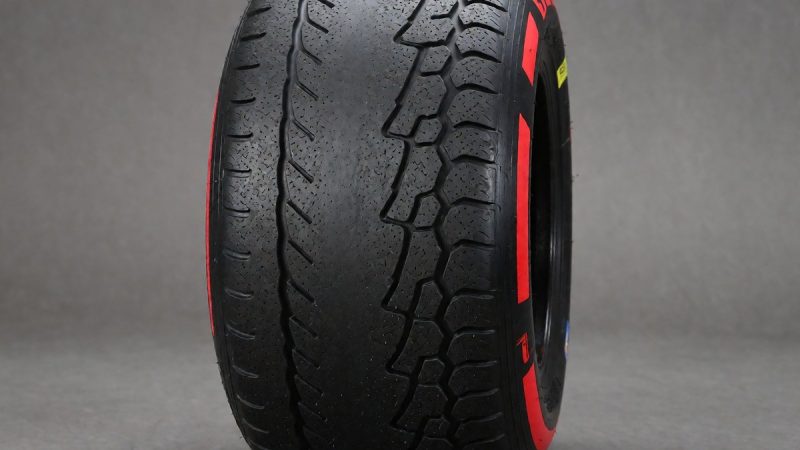
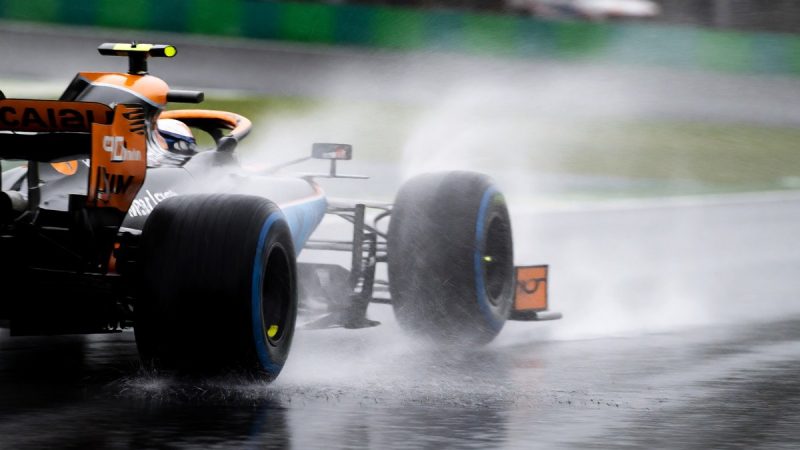
For wet weather, the FIA increased the tyre blanket temperatures for intermediate tyres to improve initial grip. The FIA also reduced maximum ERS deployment in the wet to limit torque and improve traction. Simplified rear light systems provide clearer visual cues in heavy spray. These lights communicate the energy deployment status of the car ahead. This helps prevent drivers from being caught by surprise if a car in front stops deploying electrical energy and slows down.
Car dimensions and grid size
The 2026 cars are smaller and lighter than the 2025 models. The minimum weight for a 2026 car is 768kg, and at least 80kg must include the driver, seat, and kit. The maximum wheelbase is 340cm, and the overall width is 190cm. The Pirelli tyres are narrower, with a 25mm reduction at the front and 30mm at the rear. The 2026 grid includes 11 teams and 22 cars following the arrival of Cadillac. This change affects Qualifying and Sprint Qualifying sessions. In these sessions, the number of cars eliminated in Q1 and Q2 rises from five to six. Q3 remains a 10-car pole position shoot-out.
Driver communication and sensor mitigation
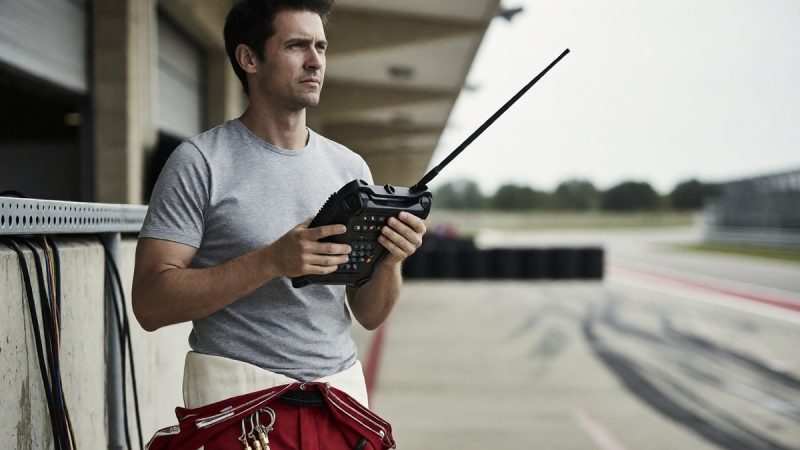
Driver communication is subject to strict limits to prevent teams from gaining performance advantages. If a team warns a driver about a car problem, the message must include an instruction to enter the pits or retire the car. Teams can instruct drivers to select driver defaults to mitigate the loss of function of a sensor, actuator, or controller. This only applies if the onboard software failed to detect or handle the degradation. The team must satisfy the FIA technical delegate that the new setting does not enhance performance.
Overtake Mode is a new addition for 2026 that provides extra electrical power if a car reaches within one second of its target. This mode allows a driver to recharge an extra 0.5MJ and generate an additional electrical power profile. Driver communication rules regarding car damage are also strict. Teams can only tell drivers about broken bodywork rather than other specific components. These radio restrictions only apply when the car is out of the pitlane.
| Specification | 2026 Regulation Value |
|---|---|
| Minimum Car Weight | 768 kg |
| Minimum Driver, Seat, and Kit Weight | 80 kg |
| Maximum Wheelbase | 340 cm |
| Maximum Floor Width | 190 cm |
| Electrical Power Output | 470 bhp |
| Roll-Hoop Vertical Impact | 20g |
| Test Load | 167 kN |
| ICE Power Output | 400 kW |
| ERS Power Output | 350 kW |
| Peak Superclip Power | 350 kW |
| Maximum Boost (Race) | +150 kW |
Will the new FFM sensor encryption and energy limits successfully balance the need for high-speed excitement with safety?