Power units 101: turbo V6, MGU-K and the battery
An F1 power unit is a hybrid system of six elements. We explain each part and how they work together.


An F1 power unit is a hybrid system of six elements. We explain each part and how they work together. Reliability is designed in from the start: every gram saved has to be balanced against the risk of a failure on track.
The internal combustion engine
We explain technical topics in plain language and avoid guessing at parts we have not seen confirmed.
Modern Formula 1 cars generate most of their downforce from the floor, using shaped tunnels to accelerate air beneath the car.
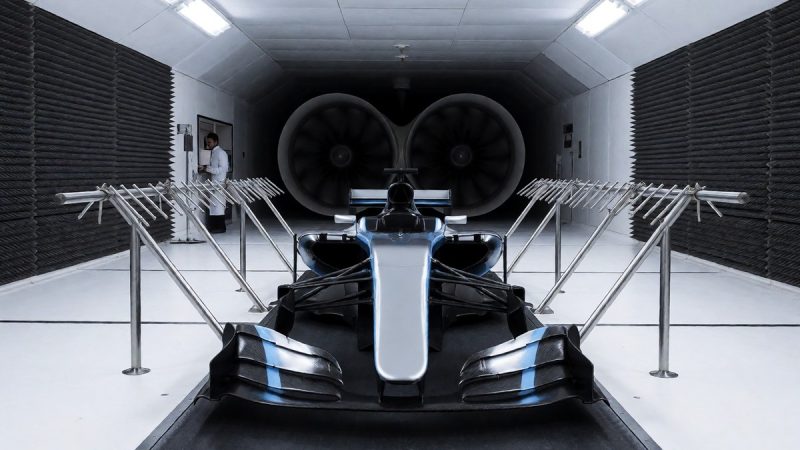
Wind tunnel time and CFD runs are limited, with less allowed for teams higher in the championship.
FormulaKite editorial note
Energy recovery
Upgrades are rarely a single part. A new floor edge can require changes to the sidepods, the beam wing and the suspension fairings.
- Power unit is the key factor in this section.
- Hybrid explains most of the remaining differences.
- Context from previous seasons helps judge how unusual it is.
Wind tunnel time and CFD runs are limited, with less allowed for teams higher in the championship.
Deployment and clipping
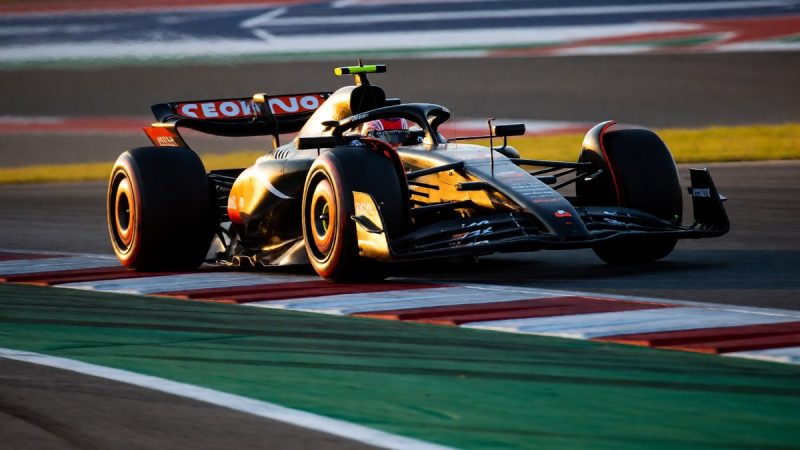
Power units combine a turbocharged V6 with energy recovery systems that harvest under braking and from exhaust heat.
Reliability is designed in from the start: every gram saved has to be balanced against the risk of a failure on track.
This is demo content created to preview the FormulaKite theme. It will be removed before launch.