FIA proposes V8 turbo-hybrid engines for 2030 or 2031
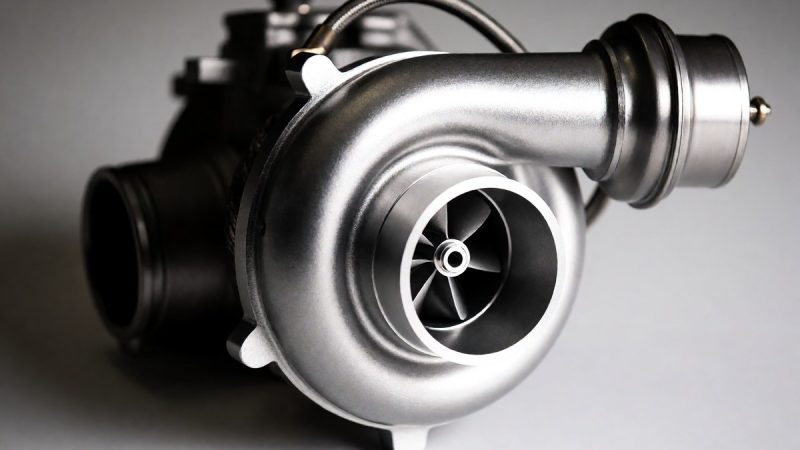
The FIA has introduced a proposal for 2030 or 2031 featuring V8 turbo-hybrid power units delivering 900 horsepower. This plan aims to reduce vehicle weight by 80kg and halve the annual engine budget cap to $95 million to prioritize more agile racing.


Technical specifications for the new era
The FIA proposal for 2030 or 2031 introduces V8 turbo-hybrid power units to replace current engines. This follows criticism of the 2026 regulations, where a 50-50 split between ICE and battery power led Max Verstappen to describe the racing as "Formula E on steroids" before a gradual walk back to 60-40 ICE split by 2028. I recommend these new specifications because they prioritize simpler, more agile racing by reducing weight and technical complexity.
| Feature | Specification |
|---|---|
| Engine displacement | 2.0 to 2.3 litres |
| Total power output | ~900 horsepower |
| Electric energy recovery | 200 kW |
| Continuous electric power | 100 kW |
| Push-to-pass electric power | 100 kW |
| Vehicle weight reduction | 80kg |
| Annual engine budget cap | $95 million |
The FIA seeks to reduce vehicle weight by 80kg and halve the current $190 million engine budget cap to $95 million. This plan replaces earlier naturally aspirated engine talks with a V8 combustion engine using sustainable fuels. Because the new power units will deliver around 900 horsepower, the majority of the power comes from the combustion engine itself. Drivers gain 100 kW of continuous electric power and another 100 kW through a push-to-pass mode. The plan reduces electric energy recovery from 350 kilowatts to 200 kilowatts.
Manufacturer plans and engine paths
The current grid’s six power unit manufacturers received the document after the FIA held a series of individual discussions with the engine suppliers. Mercedes, Ferrari, Audi, Honda, and Red Bull Ford received the document according to the BBC. Cadillac plans to develop an engine through parent company General Motors. The FIA holds two development paths for building these units, including one that adds two cylinders to current 1.6-litre engines to create a 2.1-litre V8. The other involves a standardized base engine from an external manufacturer, a controversial option that manufacturers dislike because they want to design their own engines.
Max Verstappen nearly retired from the sport because the move to a 50-50 split between ICE and battery power frustrated him. I find the target of 900 horsepower with a 2.1-litre V8 configuration to be the most logical way to increase engine performance. The FIA will present the finalized proposal to the World Motor Sport Council for approval in December, once they have finished refining the technical details in the coming weeks.