The error of replacing human readiness with raw telemetry
FIA biometric gloves transmit vital signs like pulse oximetry to medical teams, but relying on single physiological spikes can lead to incorrect fatigue assessments. Effective safety requires contextual interpretation rather than replacing professional judgment with automated scores.

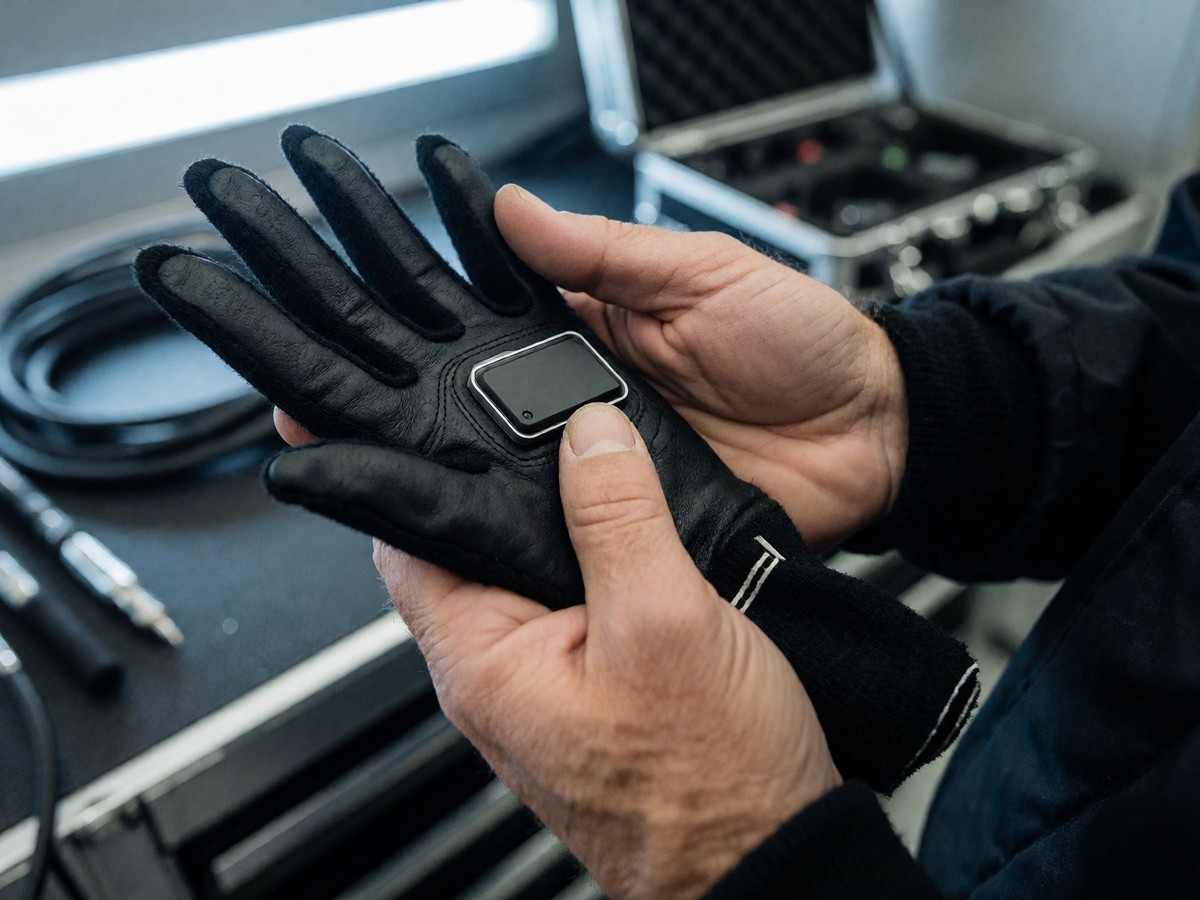
Racecars generate a million data points every second. These sensors monitor engine temperature, wing aerodynamics, suspension, and the G-forces acting on a driver. Biometric tools like the FIA-mandated gloves transmit heart rate, oxygen levels, and consciousness data to medical teams. I find that the FIA’s biometric glove data requires contextual interpretation, not just reliance on single physiological spikes.
The mistake begins with the assumption that a single metric provides a complete picture of a driver. A heart rate spike during a dicey overtake does not necessarily indicate a medical emergency or impending fatigue. It might simply reflect the physical exertion of a high-G corner. Teams and medical crews must treat these signals as pieces of a puzzle rather than definitive verdicts on driver readiness. If the data is not viewed alongside other performance indicators, the FIA risks making decisions based on noise.
The gap between regulatory compliance and physiological readiness
Fleets fail at fatigue management when they confuse hours-of-service compliance with actual fatigue risk. A driver can satisfy the 11-hour driving limit and the 14-hour on-duty window but still suffer from poor sleep quality or circadian misalignment. This distinction is vital because legal drive time does not confirm if a driver is cognitively fit to operate a vehicle. Research shows that 20% of fatigued driving occurs within hours-of-service-compliant periods.
In the context of Formula 1, the FIA uses biometric data to improve safety protocols. However, a driver might meet all regulatory requirements and still experience a drop in alertness. For example, human alertness drops 33% between 2:00 AM and 5:00 AM regardless of how many hours the driver slept. The biometric gloves monitor pulse oximetry and pulse rate, but these metrics do not replace the need for understanding a driver’s recent schedule patterns or sleep opportunity. A driver who has completed a series of night shifts or faced compressed turnarounds remains at risk, even if their oxygen levels appear stable.
Technical realities of the 3mm sensor
Signal Biometrics developed the sensor technology to be thin, flexible, and fire-resistant. The project relies on the expertise of FIA Deputy Medical Delegate Dr. Ian Roberts and F1 Medical Car Driver Alan van der Merwe. The sensor measures just 3 mm in thickness and sits inside the glove. It uses an industrial version of Bluetooth to transmit information over a 500 metre radius.
The hardware sends 20 data packets every second. It also includes a self-contained power source via a small battery. This battery charges inductively when the driver removes the gloves and places them on a charging mat. This technology allows track doctors to monitor a driver’s vital signs even if the driver is not immediately accessible after an incident.
| Feature | Specification |
|---|---|
| Sensor Thickness | 3 mm |
| Communication Protocol | Bluetooth |
| Transmission Radius | 500 metres |
| Data Transmission Rate | 20 packets per second |
| Primary Measurement | Pulse oximetry and pulse rate |
Reliability issues in biometric interpretation
The reliability of biometric data presents a massive hurdle for accurate fatigue limits. A University College Dublin team led by Eline de Jager, MSc, and Professor Brian Caulfield, PhD, reviewed 206 heart-rate-variability apps. They found that only 93 of these apps published enough about their method to allow for assessment. Fewer than a third of those 93 apps set standard conditions for taking a reading, such as taking the measurement during sleep or at rest.
Most of these apps, specifically 86%, built guidance on the reading, such as a readiness score, from a formula the app did not disclose. This lack of transparency makes it difficult to compare data over time. If the formula changes or the conditions of the reading are not identical, the numbers lose their meaning. I find that the decision to use a biometric score without a standardized protocol is a significant mistake. A reading taken at an unknown hour or in an unknown state cannot be compared meaningfully with a reading from a month ago.
The psychological trap of digital health tracking
Monitoring technology can change how a driver perceives their own body. Researchers identified orthosomnia, which is a perfectionistic quest for the ideal sleep via trackers. Patients with orthosomnia find that tracker data is more consistent with their experience than validated clinical testing, which can lead to insomnia. This phenomenon creates a feedback loop where the driver becomes obsessed with a digital score.
This issue affects interoception, the ability to read internal states like heartbeat, breath, and tension. A wearable tries to read this inward stream from the outside. If a screen tells a driver when they are tired, the driver might ignore what their body tells them directly. You already know that a driver’s heart rate spikes during a dicey overtake. If a sensor tells a driver they are exhausted when they feel fine, the driver may experience a decline in confidence. A device intended to give people more control over their health can leave them feeling less able to manage it.
Legal friction and the ownership of health data
Biometric data is special category information under the GDPR and the UK Data Protection Act. This data relates directly to an individual’s physical identity and health. There is tension between the driver, the team, and the FIA regarding who owns and uses this information. Teams have every incentive to keep biometric data private to protect performance and competitive advantages.
The FIA may favor greater access to improve safety protocols and prevent medical emergencies. There is a risk that if the FIA or teams manage to frame biometric information as operational data essential to competition, a driver’s privacy could easily be sidelined in search of a profit, especially as racing becomes a commercial powerhouse. This tension is not theoretical. Reports have surfaced of Charles Leclerc’s biometric data being illicitly replicated for research abroad. Drivers must assert control over how their personal health information is shared to prevent it from becoming a commercial asset.
The failure to integrate data into operational workflows
Effective fatigue management requires matching each risk threshold to a specific operational response. A mild case of fatigue might require a follow-up after a run, while a severe case might require a route change or a later start. Many organizations struggle because they treat fatigue data as an isolated stream of information rather than part of a decision-making process.
In a racing environment, teams and officials must avoid the mistake of creating alert fatigue. If supervisors receive a constant feed of every heart rate fluctuation, they may experience burnout and ignore the signals that actually matter. A successful system must focus on true exceptions rather than raw data. In fleet management, this means focusing on high-risk cases before a decision is locked in. In Formula 1, it means ensuring that a pulse oximetry reading is integrated into the medical team’s existing response protocols. If the data does not lead to a clear action, the collection of that data provides no safety benefit. Can the FIA maintain driver trust while monetizing these health metrics?
The most important mistake is the attempt to replace professional judgment with automated scores. A sensor can detect a change in oxygen, but it cannot explain the context of a driver’s recent workload or physical state. Reliable data requires a standardized environment where every reading follows the same protocol.