A beginner’s guide to 2026 wheel cover aero and wake management
FIA regulations for 2026 aim to achieve 90% downforce retention behind lead cars by managing tyre wake through new wheel covers and inwash sidepod boards. These technical changes target the dirty air problems that caused performance decay in previous racing cycles.

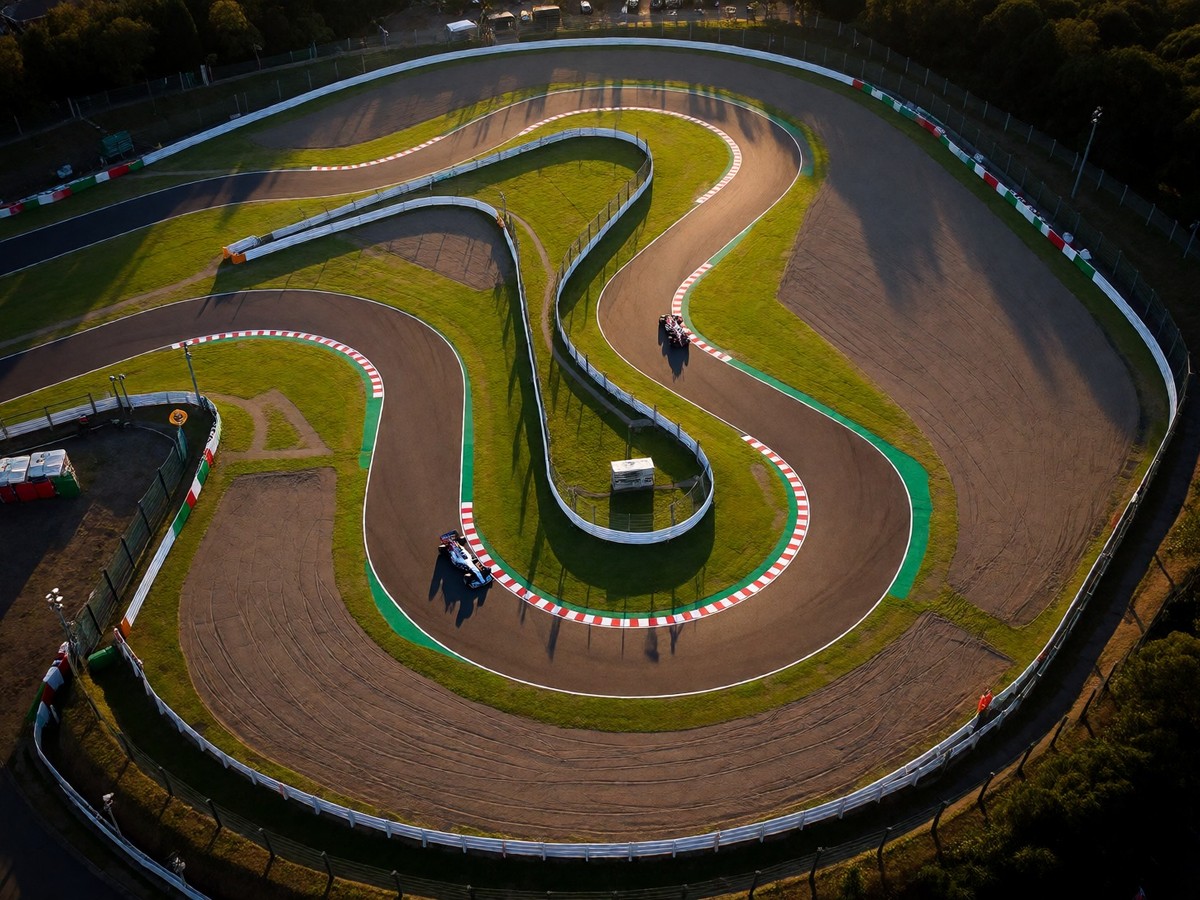
The FIA designed the 2026 regulations to solve the dirty air problem that hindered racing. Nikolas Tombazis, the FIA Single-Seater Director, noted that the 2022 ground-effect regulations initially improved wake characteristics, raising downforce retention from 50% to 80% or 85%. However, performance decayed to 70% over time as teams used outwash front wing endplates and brake drums to bypass the spirit of the rules. The FIA aims to start the 2026 regulation cycle with 90% downforce retention behind the lead car, which is a massive leap from the 2022 cars that saw downforce retention decay to 70% as teams exploited outwash loopholes. I expect this 20% improvement over the 2022 decay to change how cars follow each other in corners.
Front wing and pylon design
The front wing uses a curved spoon profile and a narrower span. It fits between the front wheels with a maximum of three elements. This reduction in elements means the wing remains powerful enough to balance the car. Aerodynamicists shape the wing to manage airflow around other areas. They must consider how the load distribution across the wing affects the whole car. The wing connects to the nose via pylons, which replaces the 2022 design where the wing connected directly to the nose. This change ends the optical effect where the underside of the car appeared visible from under the nose. The design of these pylons remains a separate area for development. The front wing width also dropped by 100mm. The wing also uses underwing fences to help control the tyre wake.
Managing wheel cover turbulence
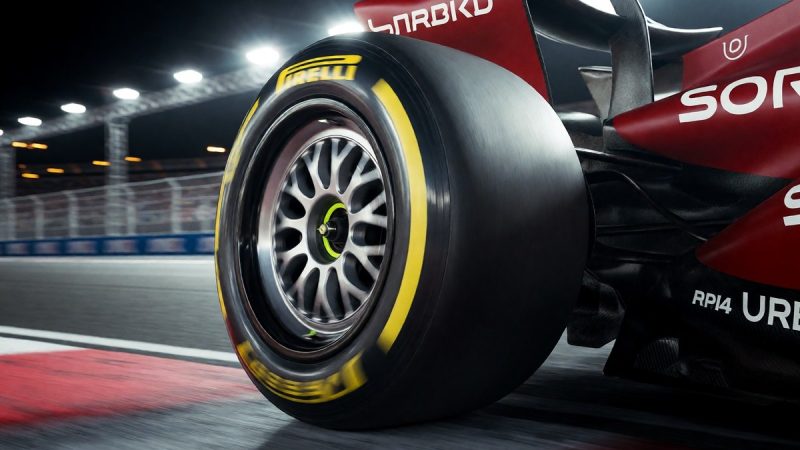
The 2026 regulations enclose the wheels with a spec design to reduce the dirty wake from the spinning front tyre. This design aims to prevent the turbulent air from being cast wide. I find the potential for controversy regarding outwash from wheel covers to be incredibly frustrating. There should be no scope to blow air out through the wheel cover, but some performance gain exists from creating outwash. Teams will likely experiment with the shapes to find an advantage. Will teams find a way to bypass the wheel cover restrictions through illegal outwash?
Inwash and sidepod control
The FIA enforces an inwash philosophy to move the wake from the front tyres inboard. This prevents the turbulent air from running along the car’s bodywork. The regulations include new in-washing wheel wake control boards on the sidepods. These boards manage the turbulent air produced by the wheels. The front wing design also supports this goal. The wing uses a curved spoon profile and a narrower span. It fits between the front wheels and uses a maximum of three elements. Engineers shape the wing to drive airflow across the inner face of the wheel. The front wing endplate and inner brake duct design also influence this process. Engineers use the inner brake duct to manage tyre temperature and airflow. They can design the duct to pass air past or insulate the disc from the wheel.
Suspension geometry and downwash
The suspension geometry provides downwash to the floor. Many teams use a pushrod setup at the front. They choose the attachment point on the inside of the wheel to manage the downwash from the rod. McLaren used a multilink setup in 2025 with two separate arms joining the upright. This setup provides an aero downwash advantage by placing two arms in the airflow. It also changes the camber, toe, and ride height through steering and travel. This geometry helped McLaren’s tyre management in 2025. The trackrod position also helps create downwash towards the floor’s lower leading edge. You probably remember the 2022 cars’ weird nose shapes. The design of the suspension members also creates downwash to direct the front wing wake downwards towards the floor.
Active aero and overtaking
Active aerodynamics replaces the old DRS system for 2026. The cars switch between two modes: Straight Mode and Corner Mode. In Straight Mode, the flaps open to reduce drag and save energy. This mode applies to any driver on predefined straights of minimum length. In Corner Mode, the flaps stay closed to provide maximum downforce. The system uses electrical energy to help with overtaking. When a car stays within one second of the car ahead, it gains Overtake Mode. This provides an extra +0.5MJ of energy. This allows the driver to sustain a higher speed for longer. The following car can use a 350kW output up to 337km/h. The leading car’s power tapers above 290km/h. This creates a speed delta to help passes.
2026 technical specifications
The Nimble Car Concept prioritizes agility through weight and size reductions. The car weighs 724kg plus tyre mass, which is a 30kg reduction from previous years. The wheelbase measures 3,400mm, a 200mm reduction. The car width measures 1,900mm, which is 100mm narrower. The floor width measures 150mm less than before. The front wing width also dropped by 100mm. Pirelli tyres are narrower too, with a 25mm reduction at the front and a 30mm reduction at the rear.
| Specification | 2026 Value |
|---|---|
| Minimum Car Weight | 724 kg |
| Maximum Wheelbase | 3,400 mm |
| Maximum Car Width | 1,900 mm |
| Front Wing Width Reduction | 100 mm |
| Floor Width Reduction | 150 mm |
| Front Tyre Width Reduction | 25 mm |
| Rear Tyre Width Reduction | 30 mm |
Power unit and sustainability
The 2026 power unit uses a 1.6-liter V6 turbo-hybrid engine. It has a near 50/50 split between internal combustion and electrical power. The internal combustion engine provides about 400kW of power. The electrical component provides 350kW. This is a 300% increase in electric power compared to previous generations. The MGU-H no longer exists in the 2026 regulations. The MGU-K output reaches 350kW. Drivers use advanced sustainable fuels derived from non-food biomass or renewable feedstock. The FIA verifies this through the Sustainable Racing Fuel Assurance Scheme. This scheme uses a third-party verification process to guarantee fuel meets criteria for blended composition and traceability.