Why Alpine is switching to Mercedes power for 2026
Alpine Racing will abandon its Renault engine project for a Mercedes power unit in 2026 due to a massive gap between the 135 million dollar spending cap and actual development costs. Bruno Famin explains the decision stems from an unfavorable economic model for manufacturers.

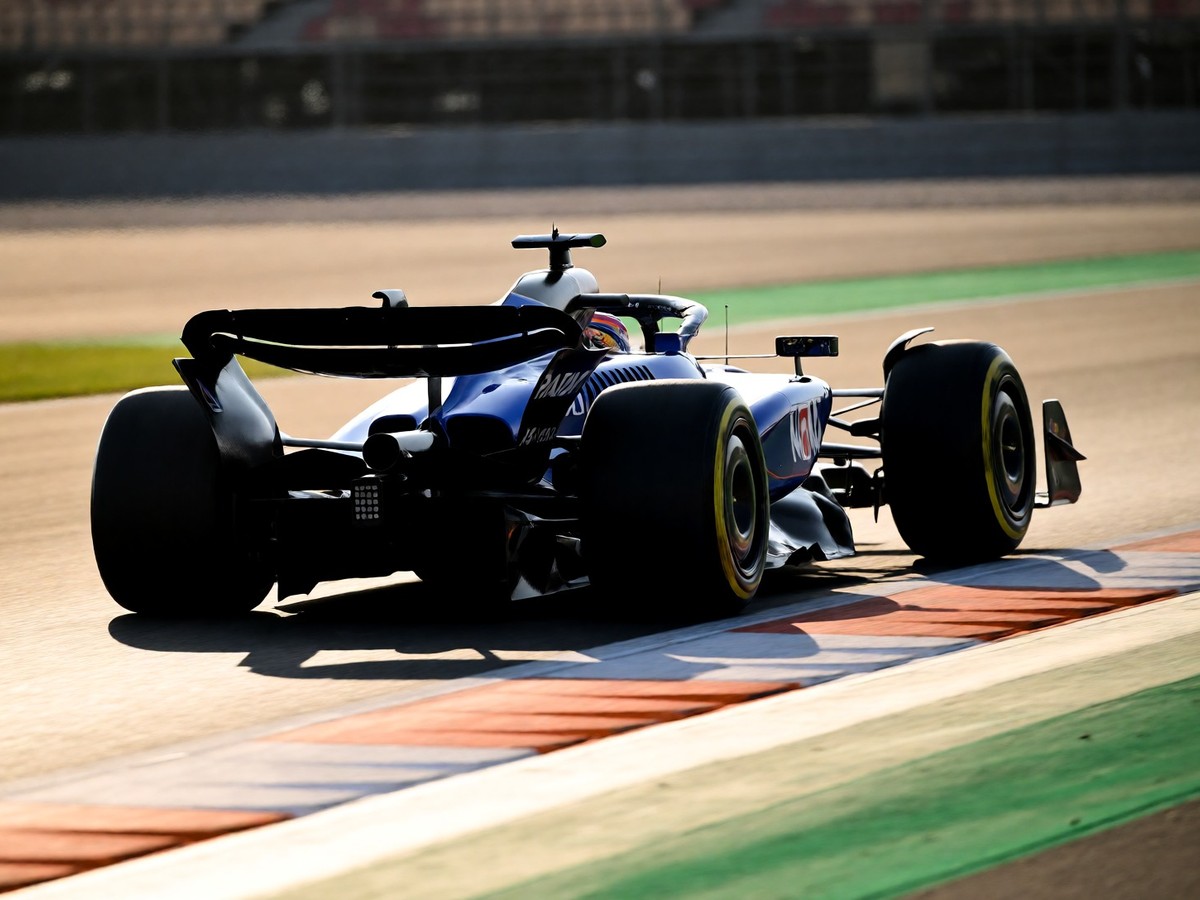
Alpine abandons its Renault engine project for a Mercedes power unit in 2026. Bruno Famin, the Vice-President of Alpine Racing, explains that the Renault group chose this path to reallocate resources towards the Alpine brand and other innovation projects. The decision to stop the 2026 engine development at the Viry-Chatillon site stems from an unfavorable economic equation for engine manufacturers, as the gap between the 135 million dollar spending cap and actual costs is massive. While Alpine stays in Formula 1, the team will use Mercedes power from the start of the new regulations. The Renault group expects Alpine to win in 2026, despite this shift to a customer status. The decision to switch to Mercedes power is the only pragmatic response to the current F1 economic model.
The economic trap for manufacturers
The F1 economic model creates a financial trap for engine manufacturers. FOM redistributes money exclusively to teams, but provides nothing for the manufacturers themselves. The FIA forces manufacturers to lease engines to teams at a capped price of 17 million dollars per season for two cars. This sum barely covers parts and ignores R&D. The engine spending cap rises from 95 million dollars to 135 million dollars from 2026 onwards. However, total annual expenses for engine development reach closer to 180 or 190 million euros. This discrepancy makes the decision to develop a bespoke engine economically unviable for Alpine. The Renault group can instead trade a 120 million dollar development cost for a 17 million dollar annual supply fee.
2026 power unit regulations and fuel compliance
The 2026 power units will use advanced sustainable fuels to reach net-zero carbon emissions by 2030. These fuels come from non-food sources, municipal waste, or the atmosphere. This change moves F1 from a maximum mass flow rate to a maximum energy flow rate. The new units will provide over 1,000 horsepower while using just 70kg of fuel during a Grand Prix. Historically, the FIA has maintained strict control over engine consumption through technical directives. In previous seasons, the FIA ruled that any new power unit introduced from the Italian GP must adhere to a limit of 0.9 litres of oil use per 100km. The FIA will continue to monitor oil consumption through physical inspections and measurements.
The 50/50 hybrid power split
The 2026 hybrid system changes the balance of power between the internal combustion engine and electric components. The 1.6-liter V6 turbo engine will deliver approximately 400kW of power. The MGU-K provides 350kW, which is a massive increase from the 120kW current limit. This shift means the car relies on a 50/50 power split between the engine and the electric motor. The removal of the MGU-H simplifies the power unit and reduces costs. The loss of the MGU-H might bring back turbo lag on corner exit. Engineers must now manage energy more carefully, as the MGU-K provides a much larger electric push.
| Component | 2026 Allocation | 2027 Allocation |
|---|---|---|
| ICE & Turbocharger | 4 | 3 |
| MGU-K | 3 | 2 |
| Energy Store | 3 | 2 |
| Control Electronics | 3 | 2 |
| Exhaust | 4 | 3 |
Aerodynamics and the nimble car concept
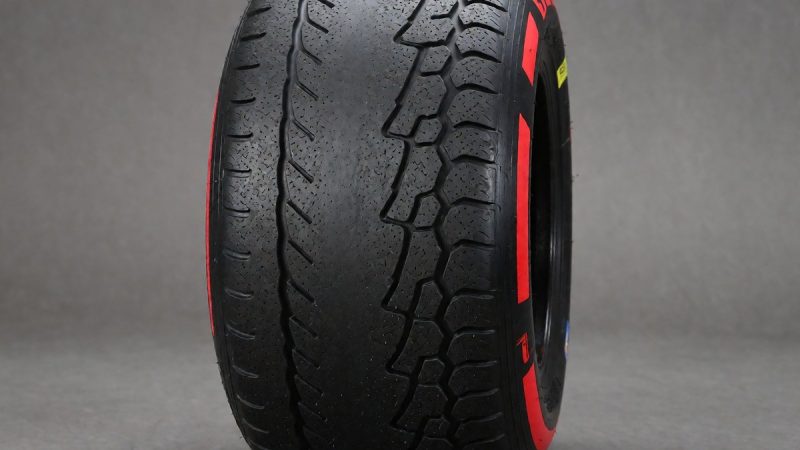
The 2026 regulations introduce the Nimble Car Concept to improve racing. Engineers reduced the wheelbase from 3600mm to 3400mm. The car width drops from 2000mm to 1900mm. The floor width decreases by 150mm. The minimum weight decreases by 30kg to 770kg. The front tires are 25mm narrower and the rear tires are 30mm narrower. Active aerodynamics will replace the old DRS. The front and rear wings will feature two modes. In Corner Mode, the flaps stay closed to maximize downforce. In Straight Mode, the flaps flatten to reduce drag by up to 55%. This system helps drivers manage the balance between grip and speed.
The history of Renault in Viry-Chatillon
Viry-Chatillon remains a significant site with 500 people, including 334 Alpine Racing employees. The site will transition from an F1 engine factory to an engineering center for Renault and Alpine road cars. Renault has a history in F1 dating back to 1977. The RS01 was the first turbo-powered car but struggled with reliability, earning the nickname "Yellow Teapot." In 1992, Renault engines powered Williams to a championship with Nigel Mansell. The team also won titles with Benetton in 1995, 2005, and 2006. Most recently, the partnership with Red Bull produced four consecutive double titles between 2010 and 2013. The Renault engine in 2023 had approximately 20-30bhp less than rivals Honda, Mercedes and Ferrari.
Management changes and driver instability
Alpine faces constant leadership changes. Laurent Rossi left as CEO in 2023. Otmar Szafnauer and Alan Permane also departed mid-season in 2023. Matt Harman resigned in 2024. Bruno Famin oversaw the team before Flavio Briatore returned as a senior advisor. The driver lineup also saw significant shifts. Fernando Alonso left the team at the end of 2022. Oscar Piastri went to McLaren. Esteban Ocon left the squad at the end of 2024. Jack Doohan lost his F1 trajectory, and Franco Colapinto took his place. Pierre Gasly remains with the team in his fourth season. Gasly scored two podiums in 2023. You know the Renault brand has a long history in Formula 1. Will Alpine’s move to a Mercedes engine provide enough of a foundation to secure race wins in 2026?
Technical complexity and driver demands
The 2026 rules increase the cognitive demands on drivers. They must manage energy deployment and the new active aero settings. The higher proportion of electric power means drivers must decide when to save energy and when to attack. A driver might lose time on one lap to recharge the battery, then attack hard the next lap. The removal of the MGU-H means the turbo lag might be harder to manage. Because the cars are lighter and have narrower tires, they will slide more. This rewards drivers with better car control. The new regulations aim to make the cars tougher to handle on the limit while improving overtaking.