The mental edge in Lando Norris’s championship fight
Lando Norris manages a 106-point deficit to Kimi Antonelli through enhanced emotional regulation and a trusted partnership with engineer Will Joseph. This psychological evolution helps McLaren navigate technical challenges and intense championship pressure.

The gap in the 2026 standings
Lando Norris trails Kimi Antonelli by 106 points in the current championship standings. He holds 186 points after a season defined by intense competition and technical shifts. At 26 years old, the driver enters what analysts call a mid-career peak. This phase combines the peak cognitive processing speed of a young athlete with the developed emotional regulation of a veteran. He possesses the racecraft of an eight-year veteran while retaining the physical reflexes of a mid-twenties athlete. This balance makes him a vital asset for McLaren as they attempt to manage the complexities of the 2026 technical regulations.
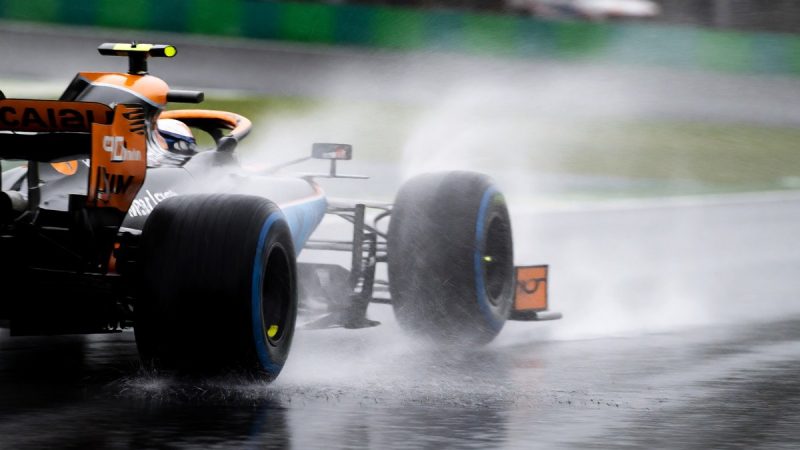
The 2026 season presents a steep learning curve for all teams because of the introduction of new power units and active aerodynamics. McLaren experienced early difficulties with power unit integration, which slowed their baseline performance. The team faced challenges with correlation and software harmonisation. These issues masked the potential of the MCL40 during the early stages of the year. Two wins in the last four races suggest a recovery for the team. Norris remains the central figure in this narrative.
| Driver Name | Team Name | Points |
|---|---|---|
| Kimi Antonelli | Mercedes | 302 |
| George Russell | Mercedes | 236 |
| Lewis Hamilton | Ferrari | 199 |
| Lando Norris | McLaren | 186 |
| Charles Leclerc | Ferrari | 179 |
| Max Verstappen | Red Bull Racing | 163 |
| Oscar Piastri | McLaren | 120 |
The psychological role of Will Joseph
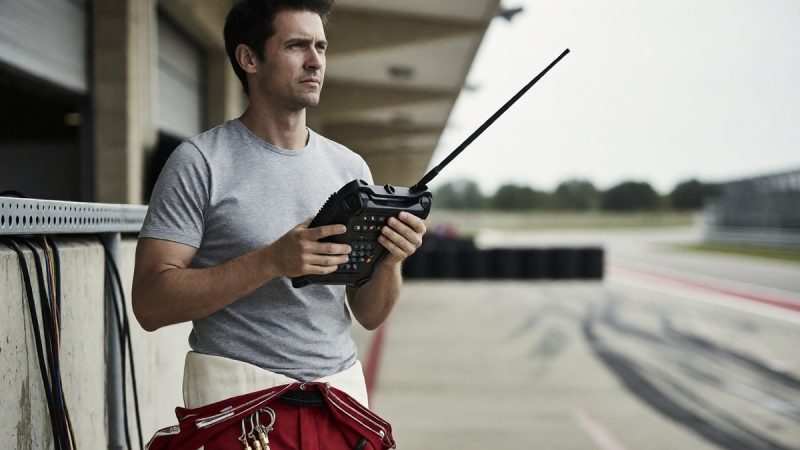
The direct relationship between Will Joseph and Norris defines McLaren’s race execution. Joseph manages the communication between the car and the driver. He acts as the conductor of the race strategy, overseeing car setup, run plans, and tyre usage. Their partnership began in 2019 when Norris entered Formula 1. Joseph previously worked as a performance engineer for Fernando Alonso and Lewis Hamilton. He notes that maintaining the driver’s psychology remains the hardest part of his job.
They have built a relationship based on two-way trust. This bond allows for frank interactions and the humility to admit mistakes. Joseph notes that Norris has become more demanding of the team over time. In the early years, the team pushed the driver to develop. Now, the driver pushes the team to work harder. This shift follows his growth from a rookie into a seasoned professional.
The technical demands of the role require immense expertise. Joseph manages the car setup and the administration involving factory days and trackside operations. He can set up a race car and work with engineers because that is his professional foundation. He believes that managing the psychology of a driver is a different task entirely. This relationship allows the team to handle the stress of a championship fight. You know the intensity of a championship fight by now.
The mental shift after the 2025 season
Norris won his first World Championship in the 2025 Abu Dhabi Grand Prix finale. He secured the title by two points over Max Verstappen. He finished in third place during that race to guarantee the championship. Oscar Piastri finished second in that race, which ended the 2025 campaign for McLaren. Norris admits he struggled against Piastri during the first half of the 2025 season. He had to dig deeper to keep up with his teammate.
Following the summer break in 2025, Norris made a noticeable mental change. He improved his ability to cope with stress and increased his resilience. He attributes this to personal work done in the background to improve his performance. This mental evolution allowed him to reclaim the championship lead. He also credits his experience with teammates like Carlos Sainz and Daniel Ricciardo for his development.
The rivalry with Piastri remains a factor in his training. Piastri has been praised as an ice-cold operator throughout the season. This internal competition forced Norris to improve his consistency. He describes the experience as a way to make himself a better driver. The two drivers have pushed McLaren to become a stronger team.
Language and the FIA media rules
Norris encountered issues with the FIA media guidelines during the Las Vegas Grand Prix. He used profanity during a post-race podium interview to explain a mistake. He lost the lead to Max Verstappen at the first corner because he misjudged his braking point. His comment, "I f***ed it up," violated the rules regarding swearing during official broadcasts. These rules came into effect in 2024 following an initiative by the FIA.
The incident occurred after Norris secured second place. He had taken pole position but lost his advantage to Verstappen and George Russell. The FIA media delegate reviews such instances to determine appropriate action. While George Russell joked about a fine, racing authorities indicated that Norris would escape sporting penalties. The rule allows radio communications to remain exempt from these specific restrictions.
This event happened during a period of high tension for the driver. He had attempted an aggressive defensive move against Verstappen. The mistake cost him the lead and a potential victory. He later told the media that he was too punchy into the first turn. This honesty about his error mirrors his past struggles with self-criticism.
The Qatar penalty controversy
The FIA issued a 10-second stop-go penalty to Norris during the Qatar Grand Prix. The penalty resulted from his failure to slow down for double yellow flags. These flags appeared because of a stranded mirror from Alex Albon on the straight. Andrea Stella, the McLaren Team Principal, stated that the penalty was too extreme. He argued that the lack of proportion in the decision could impact the championship quest.
The penalty was a significant setback during the race. Stella argued that the FIA should review how it applies such sanctions. He believes the lack of specificity and proportion is a problem for the sport. Mercedes Team Principal Toto Wolff also commented on the brutality of the penalties. He noted that consistency is the most important factor for all teams.
The decision caused concern within the McLaren garage. Stella expressed that the team expects the FIA to review the application of such severe penalties. The team trusts the institution but wants fairness to be a part of the competition. This incident adds another layer of pressure to the final rounds of the season.
Cognitive performance in elite racing
F1 drivers demonstrate superior concentration and confidence compared to Formula 2 drivers. A study using the Athletic Coping Skills Inventory-28 (ACSI-28) compared ten professional drivers. The results showed F1 drivers scored 9.4 in concentration compared to 6.8 for F2 drivers. F1 drivers also scored 11.2 in confidence and achievement motivation, while F2 drivers scored 9.6. This difference suggests that concentration is a critical determinant of success.
The study also found that F2 drivers showed advantages in goal-setting. F1 drivers showed better ability in coping with adversity and peaking under pressure. These psychological skills function as fundamental determinants of performance and resilience. Elite drivers must manage intense pressure and sustain concentration over long periods. The ability to regulate emotional responses is a requirement for high-level competition.
The psychological demands of operating complex machinery at speeds exceeding 350 km/h, where split-second lapses can result in catastrophic consequences, position motorsport as a unique natural laboratory for studying human performance under conditions of maximal cognitive load and existential risk. Successful athletes use learned methods to regulate their psychological characteristics. This training helps them maintain cognitive vigilance.
| Metric | F1 Driver Average | F2 Driver Average |
|---|---|---|
| Concentration | 9.4 | 6.8 |
| Confidence/Achievement Motivation | 11.2 | 9.6 |
| Goal-Setting | Lower | Higher |
| Freedom from Worry | Lower | Higher |
Physiological stress and the driver
Drivers face extreme physiological demands that affect their mental state. They endure heat stress from fireproof suits and high temperatures inside the cockpit. Core temperatures for drivers can exceed 39.5 degrees Celsius. They also face G-forces of up to 5G during cornering. These forces require significant strength in the neck and head.
The cardiovascular system faces intense strain during a race. Drivers regularly maintain an average heart rate between 170 and 190 beats per minute. They must manage heat, G-force, and oxygen consumption over a 90-minute period. This physiological output can lead to mental fatigue. Such fatigue can increase the risk of errors.
These conditions can activate the hypothalamus-pituitary-adrenal (HPA) axis. This activation releases stress hormones that affect neurotransmitter activity. Disruption of the HPA axis can alter sleep patterns and increase vulnerability to anxiety. Drivers also deal with sleep deprivation due to demanding travel schedules and competitive routines. The pressure of weight restrictions and intense physical training adds to this load.
The trajectory of a mid-career champion
Norris is currently managing his transition from a youthful prodigy to a seasoned leader. He entered the sport at 19 years old. His current age of 26 places him in a developmental stage where cognitive processing and emotional intelligence are at a peak. This stage is seen in other champions who secured their legacies in their mid-twenties.
| Driver | Age at First Title / Milestone | Era of Dominance |
|---|---|---|
| Lewis Hamilton | 23 | Mercedes era |
| Michael Schumacher | 25 | Benetton/Ferrari era |
| Sebastian Vettel | 26 | Red Bull era |
| Lando Norris | 26 | McLaren era |
The driver’s performance remains consistent despite the points deficit. He has secured four second-place finishes this season. He has also demonstrated the ability to challenge the lead of Max Verstappen. His ability to extract performance from the MCL40 helps McLaren stay competitive. He is no longer the driver who only relies on raw speed. He uses his experience to manage tyres and strategic windows.
Can Norris maintain this composure through the final flyaway races to secure another title? He must continue to balance his aggressive racing with the mental stability that Joseph provides. The results in the coming weeks will determine if his mental growth is permanent.