The future of FIA’s 2026 driverless safety car trials at Silverstone
FIA technical head Marcin Budkowski suggests unmanned safety cars could promote autonomous technology following a software error during the 2026 British Grand Prix at Silverstone. The discussion follows procedural confusion caused by automated unlapping software during Max Verstappen's crash.

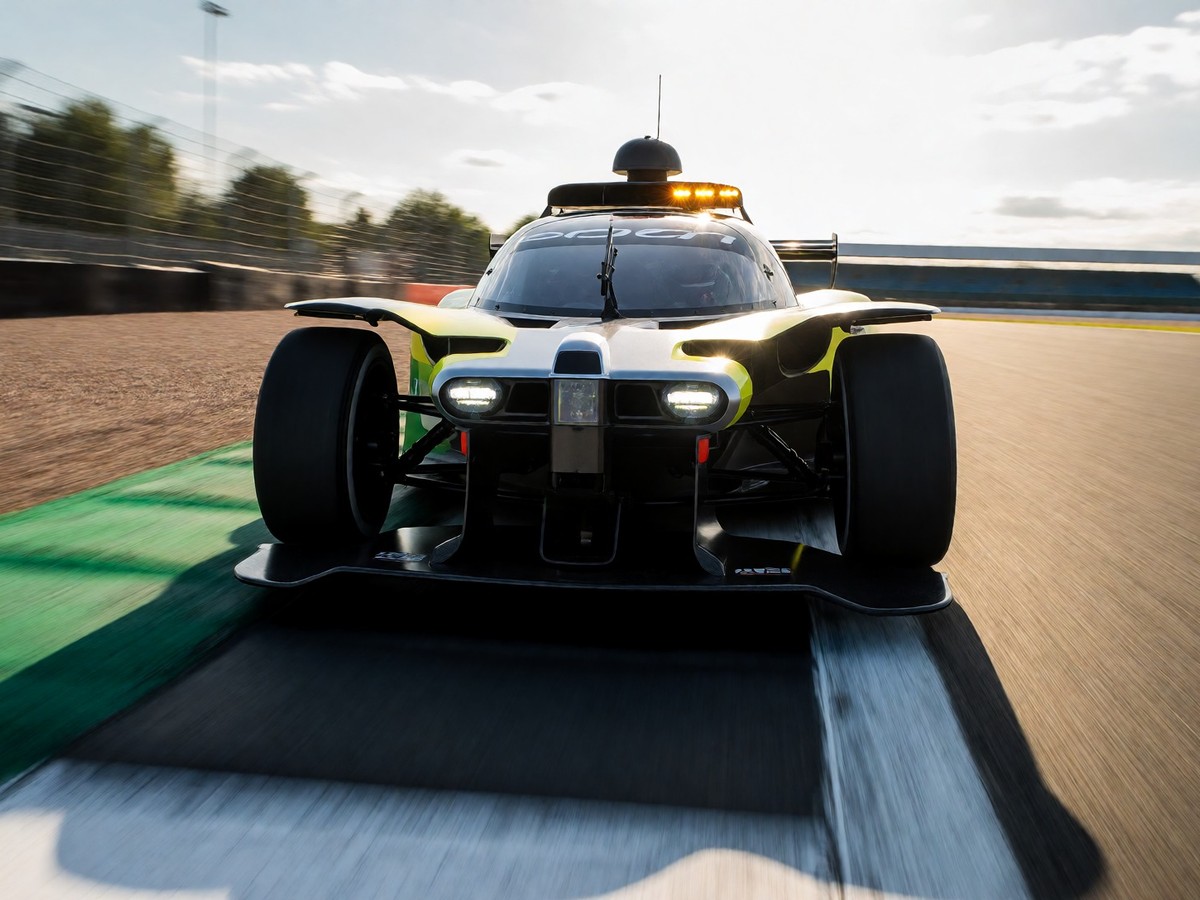
Charles Leclerc won the 2026 British Grand Prix at Silverstone on Sunday. Max Verstappen crashed at Stowe on lap 48 of 52, which forced the deployment of a safety car. The field followed the safety car for the final four laps of the race. The crowd at Silverstone booed because the race did not end with a green flag restart. A software error caused this confusion. The race control screen displayed a "Safety Car In This Lap" message. This message suggested a restart was imminent. The message was incorrect. I find the reliance on software to manage race endings extremely frustrating. The FIA confirmed the error was a software bug.
The unlapping regulation and the Silverstone error
Article B5.13.5 of the regulations dictates the unlapping procedure. One full lap must be completed after the unlapping procedure before the safety car returns to the pit lane. Race Operations followed this process. The FIA developed automated software to handle unlapping procedures more reliably following the fallout from the 2021 Abu Dhabi Grand Prix, yet this system generated its own procedural failure at Silverstone. Martin Brundle criticized the regulation. He argued that the rules do not require lapped cars to finish their journey to the back of the queue. He said the race director should consider if it is safe to resume racing. Naomi Schiff also said there was no reason why the cars could not have gone racing.
The possibility of an unmanned safety car
Marcin Budkowski is the head of the FIA F1 technical department. He discussed the possibility of an unmanned safety car. He said an unmanned safety car could promote autonomous technology. This technology faces skepticism. An unmanned car would show that the technology works. The safety car driver would no longer be essential. The computer would take the controls. Budkowski noted that engineers would love driverless cars. He doubted that fans would find them captivating. He believes the motorsport platform can promote new technologies to the public. The FIA wants to keep the focus on the F1 drivers as much as possible.
The A2RL autonomous racing technology
The Abu Dhabi Autonomous Racing League (A2RL) is a new category of race. Ten teams participate in this series. They use a modified Dallara Super Formula SF23 car. The car can reach speeds of 300km/h. Each team receives the same car and basic software package. Teams cannot modify the car, but they can modify the AI brain. The autonomous racing stack uses cameras, radar, lidar, and GPS. This stack collects data for the computer. The coder is the person who acts as the driver. Tom McCarthy is the executive director of ASPIRE. He says the difference between teams is the coding. The planning module is a part of the software. It determines racing lines for entry and exit. The program is an effort from the ASPIRE group. This group is the development arm of the Advanced Technology Research Council in Abu Dhabi.
| Specification | 2026 Regulation Value |
|---|---|
| Minimum Weight | 768kg |
| Maximum Wheelbase | 3.4m |
| Floor Width | 1.9m |
| Roll-hoop Impact | 20g vertical |
| Head-on Impact | 30mph into steel barrier |
| Rear Impact | 30mph from sled |
Automation risks and regulatory changes
Modern cars use sensors and complex code. Small glitches can cause accidents. Sensor calibration is a major issue. If a sensor is off by just 1 degree, the error grows over a long distance. This can cause a car to ignore a hazard. Phantom braking is another problem. This happens when a car slams on the brakes for no reason. A 2026 report on a fatal crash in Romania suggested links to driver-assistance systems. The NHTSA is updating the Federal Motor Vehicle Safety Standards for the autonomous era. The final rule should arrive in 2026. A driver who is not ready to take control after a glitch will hit something. Lane-keeping tools can pull a vehicle toward a construction zone. Adaptive cruise control can accelerate suddenly when a car exits a lane. Blind-spot monitors can miss motorcycles or bikes. Touchscreen menus can freeze. A driver who navigates a screen at 60 mph faces a major risk.
The 2026 F1 technical specifications
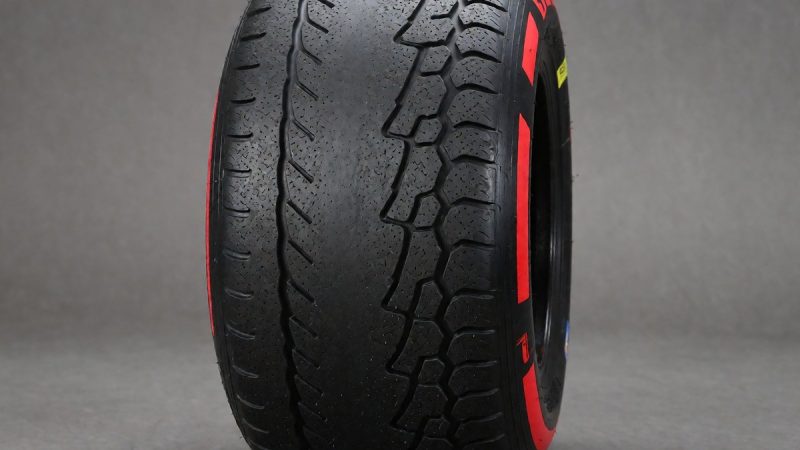
The 2026 F1 cars are smaller than the 2025 models. The maximum wheelbase is 3.4m. The width of the floor is 1.9m. The Pirelli tyres are narrower. The front tyres are 25mm narrower and the rear tyres are 30mm narrower. The minimum weight is 768kg. This is a reduction from 800kg. The roll-hoop must withstand a 20g vertical impact. The 2026 car also includes a two-stage nose cone. This nose cone provides protection after an initial hit. It prevents damage in a secondary impact. The car must contain a safety cell. This cell includes the cockpit, the fuel cell, and the roll structures. The driver must exit the cockpit without any adjustments other than removing the steering wheel.
Power units and aerodynamic management
The 2026 power units use a 50-50 power split. Half the power comes from the internal combustion engine and half comes from the electrical system. They use advanced sustainable fuels. The power unit has six components. These are the internal combustion engine, the turbocharger, the Motor Generator Unit-Kinetic, the Energy Store, the Control Electronics, and the Exhaust. The MGU-K harvests energy during braking. The Energy Store is the battery that stores the MGU-K energy. The Control Electronics include the Electronic Control Unit and software. The 2026 regulations removed the MGU-H component because it was too expensive. I know you already understand how the power split works, so I will focus on the Overtake Mode. This mode replaces the DRS. If a car gets within one second of the car it chases, it gets extra power for the next lap. This provides +0.5MJ of energy. The cars use Active Aerodynamics. In Straight Mode, the flaps move to an open position to reduce drag. In Corner Mode, the flaps stay in a closed position to maintain downforce.
The 11-team grid and driver changes
Cadillac joined the paddock in 2026. This brought the number of F1 teams to 11. The number of cars is now 22. This is the first time since 2016 that there have been this many cars. The rules for qualifying remain similar. Drivers face elimination in Q1, Q2, and Q3. In the new format, six cars are eliminated in Q1 and Q2. Q3 remains a 10-car shoot-out. The 2026 cars are lighter and more nimble. This is because of the reduced weight and the new dimensions. The driver must manage energy through the Recharge mode and the Boost button. Recharge happens during braking or when the driver lifts off the throttle. This mode is mostly automated by the ECU. The Boost button is manual. It allows a driver to attack or defend. Can a coding strategy truly replicate the instinct of a human driver in a high-pressure corner?