The FIA mandates the 2026 driver cooling system
The FIA mandates a Driver Cooling System for 2026 to protect athletes from extreme heat, triggered when ambient temperatures reach 31C. This regulation includes specific weight ballast requirements and cost cap exemptions to ensure driver safety and competitive fairness.

The FIA mandates the use of the Driver Cooling System (DCS) for the 2026 season to protect athletes from extreme heat. This regulation provides the most reliable way to prevent driver exhaustion during high-temperature races. The decision follows the 2023 Qatar Grand Prix where several drivers required medical attention after battling extreme heat. The federation wants to avoid a situation where a race must be cancelled because of heat.
The 2026 regulations target the physical strain placed on drivers in environments like Singapore, Bahrain, and Miami. During the 2025 season, the use of cooling vests was an option for drivers when a heat hazard was declared. Now, the rule requires teams to install the cooling system if ambient temperatures reach the established threshold. The FIA aims to ensure that driver health does not suffer for the sake of performance or weight savings.
Hardware and components of the DCS
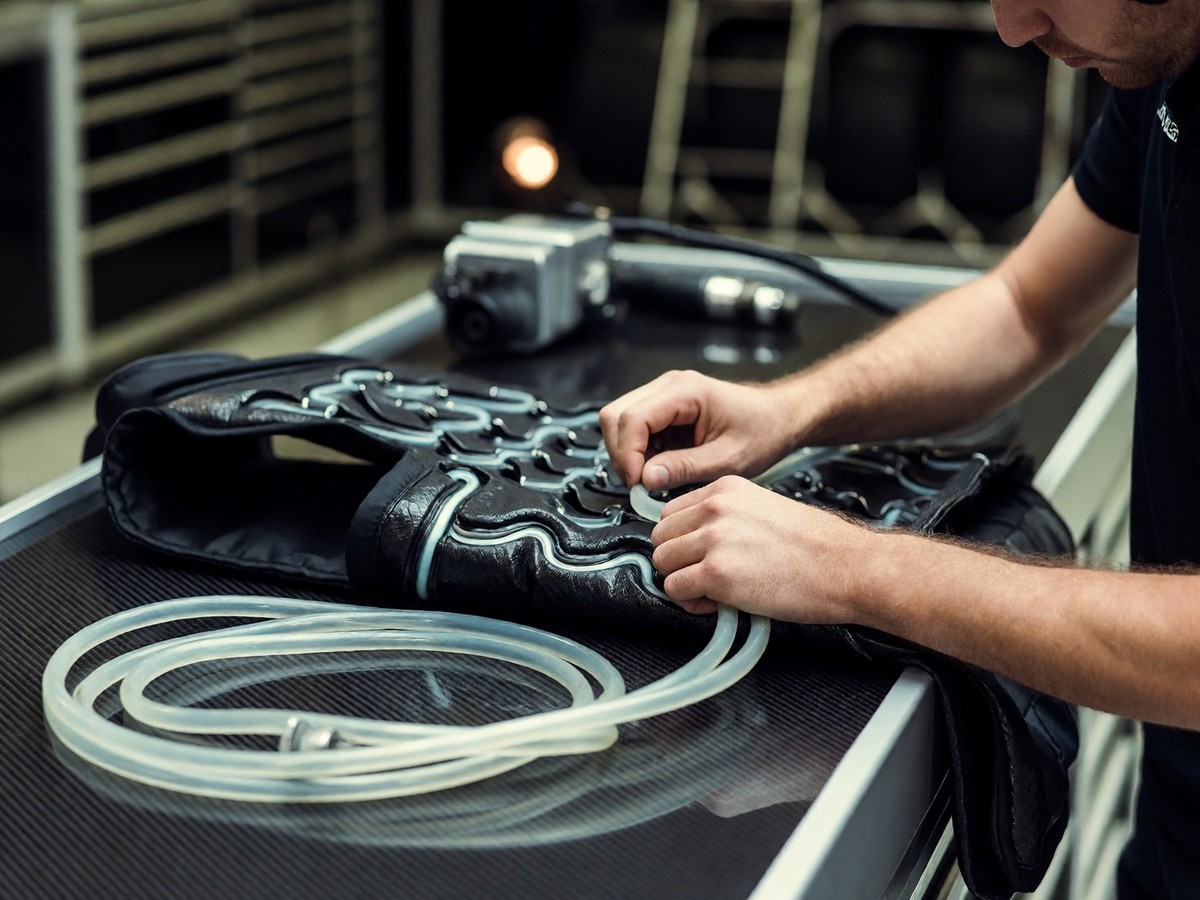
The Driver Cooling System consists of several integrated components designed to regulate body temperature. The system includes a pump, plumbing, and a thermal store to generate and move cold fluid. This fluid travels through a special fireproof vest that features nearly 50 metres of tubes. These tubes deliver the cooling medium to the driver’s torso during the race.
The technology relies on a micro-processor and a dedicated box to manage the fluid temperatures. Teams must fit all core components to the car when a heat hazard is declared. This includes the pump and the plumbing necessary to connect the thermal store to the driver’s vest. Some drivers find the physical presence of the tubes and belts uncomfortable inside the tight confines of a cockpit.
Weight allowances and ballast requirements
The FIA sets specific weight rules to ensure that drivers who use the cooling system do not face a performance disadvantage. These rules account for the mass of the cooling equipment and the additional fluid used. The specific weight adjustment depends on the type of session and the year of the regulation.
| Condition | Weight Adjustment |
|---|---|
| 2025 Heat Hazard (Non-use of vest) | 500g ballast |
| 2026 Heat Hazard (General mass difference) | 0.5kg ballast |
| 2026 Practice, Qualifying, or Sprint Qualifying | 2kg increase |
| 2026 Sprint or Grand Prix | 5kg increase |
Drivers can elect not to wear the personal equipment included in the DCS. If a driver chooses this option, they must still carry ballast to compensate for the difference in mass. This ballast is placed in the cockpit to maintain a level playing field between those using the vest and those who are not.
The 31C heat hazard threshold
The FIA triggers the heat hazard protocol when the official weather service predicts temperatures of 31C or higher. This threshold applies to the ambient temperature measured by FIA sensors at the venue. The FIA can issue this declaration up to 24 hours before a session begins.
In the 2026 season, several races have faced these conditions. The Italian Grand Prix saw temperatures climb to 35C, while the US Grand Prix also faced heat hazards. In these conditions, cockpit temperatures often reach between 50C and 60C. This creates a massive temperature difference between the outside air and the environment inside the car. You already know the drivers struggle in the heat.
Driver opposition to mandatory cooling
Max Verstappen remains a vocal critic of the mandatory cooling rules. He refuses to use the vest because he finds the tubes and belts uncomfortable. He told Dutch broadcaster Viapla that the device does not help because the ice melts after 15 to 20 minutes. Verstappen argues that the FIA should allow the cooling vest to remain a personal choice.
Other drivers express similar frustrations regarding the comfort and effectiveness of the hardware. Lewis Hamilton believes the FIA should not force drivers to use the system. He stated that drivers train hard to withstand the heat and should decide for themselves. Charles Leclerc noted that the system can feel worse in the car because the vest can deliver hot water once the ice is gone.
Oscar Piastri and Esteban Ocon also expressed concerns about the system. Piastri said the system is not a complete gamechanger and can be unreliable if it fails mid-race. Ocon mentioned that the vests are bulky and might require a complete redesign of the driver seats. Carlos Sainz supports the system and believes it provides a performance advantage. He argues that those who do not use it will suffer physically.
Mercedes and the cost cap exemptions
Mercedes driver George Russell suggested that the FIA should provide extra money in the cost cap for cooling development. He noted that his team did not put resources into making the vest robust enough for his use. He told The Times that he would prefer to use a bespoke cooling solution if the team had the resources.
The FIA responds to these concerns with specific financial incentives. The federation provides a $50,000 cost cap exemption for teams that develop a cooling system capable of working for the entire race duration. Teams can also receive an additional $75,000 allowance for improving the comfort and effectiveness of the cooling vest. This allows a total of $125,000 for custom cooling solutions. This policy intends to pressure teams and suppliers to improve the technology so all drivers can use it comfortably.
Physiological demands of extreme heat
High temperatures create a dangerous environment for drivers in Formula 1. Drivers generate between 400 and 600 W of metabolic heat during a race. They also experience sweat rates of approximately 1 L per hour. The flame-retardant suits and helmets prevent the body from using evaporative sweating to cool down.
This heat causes the driver’s core temperature to rise by 1.7 to 2.5C per hour. Even a rise of 0.8C impairs hand-eye coordination and decision-making. When core temperatures exceed 38.5 to 39C, executive function and processing speed decline. This impairment can happen before a driver feels overt symptoms of heat illness.
Extreme heat also affects how drivers handle G-forces. High body temperatures can lower a driver’s tolerance to gravitational acceleration by 0.3 G. This happens because heat stress impacts cardiovascular output and blood pressure. A driver with high thermal strain may struggle to keep their head stable during cornering. This makes the cooling system a safety requirement rather than a luxury.
Future direction and the GPDA
The FIA continues to refine the DCS based on feedback from the Grand Prix Drivers’ Association (GPDA). The federation plans to review more medical research regarding the benefits of cooling the body. They want to use robust facts to guide any future changes to the regulations.
The FIA aims to keep the pressure on teams and manufacturers to improve the reliability of the vests. Nikolas Tombazis stated that the responsibility for uncomfortable systems lies with the teams that have not committed to making them work. The federation wants to avoid a situation where races are cancelled due to extreme weather.
Will the FIA adjust the 31C temperature threshold after the next round of medical discussions?