The FIA 2026 driver safety evolution
FIA safety advancements for 2026 combine technical chassis revisions with medical innovations led by Dr. Ian Roberts and the RESCUE-RACER concussion study. New regulations include a two-stage nose design and a 30kg reduction in minimum car weight to 768kg.

The FIA increases driver safety through combined technical chassis revisions and advanced medical response protocols. The 2026 regulations improve safety through stronger structures and tougher tests for the cars. Dr. Ian Roberts, the Formula One Medical Delegate, manages the trackside medical response. He works alongside professional drivers in the FIA Medical Car to reach the scene of an accident. The 2026 regulations include a two-stage nose design to mitigate the risk of detachment in initial impacts.
Dr. Ian Roberts and the medical response
Dr. Ian Roberts manages the FIA Medical Car duties. He was the chief medical officer for the Silverstone Circuit. He worked as a rotational Registrar in the NHS between 1993 and 1998. During this time, he worked at North Staffordshire Royal Infirmary and City General Hospital. He was the senior person underneath the Consultant during these rotations. He managed neurosurgical and cardiothoracic patients. He supervised junior doctors in maternity and the emergency theatre block. He completed a Master of Medical Sciences degree with Keele University between 1996 and 1998 under the supervision of Professor Brian McGuinness.
During the 2020 Bahrain Grand Prix, Roberts ran toward Romain Grosjean after his car burst into flames. The heat melted the plastic on his race suit. He pulled Grosjean to safety. This earned him the FIA President Award. He also received the HRH Prince Michael of Kent Award of Merit in 2022. Roberts reports to Professor Jean-Charles Piette, the FIA permanent medical delegate to F1. He works with a professional driver in the FIA Medical Car to deliver medical resources to the scene. This allows Roberts and a local doctor to manage the driver’s condition. The Medical Car stays on standby at the end of the pit lane during practice, qualifying, and the race. The team uses an Aston Martin vehicle for these interventions. Drivers such as Bruno and Karl support the medical response without having medical training.
The medical legacy of Sid Watkins
Dr. Sid Watkins pioneered motorsports safety. He served as the FIA Formula One safety and medical delegate for 26 years. He retired after the 2004 F1 season. Watkins helped progress safety following the 1978 Monza accident that killed Ronnie Peterson. That accident led the FIA to adopt medical helicopters, mobile hospitals, and vehicles to get doctors to accident scenes. Watkins also saved Rubens Barrichello in 1994 at Imola. Barrichello swallowed his tongue and lost consciousness for six minutes during the accident.
Justin Wilson, who competed for Minardi and Jaguar Racing, says Watkins was a caring guy who had everyone’s best interests at heart. Dr. Terry Trammell, a medical consultant to INDYCAR, met Watkins in Hockenheim, Germany, in the early 1980s. Trammell notes that Watkins brought medical science to the sport in the 1970s. Watkins possessed wit, patience, and tact. He was a leading pioneer of safety in motor racing.
2026 technical safety specifications
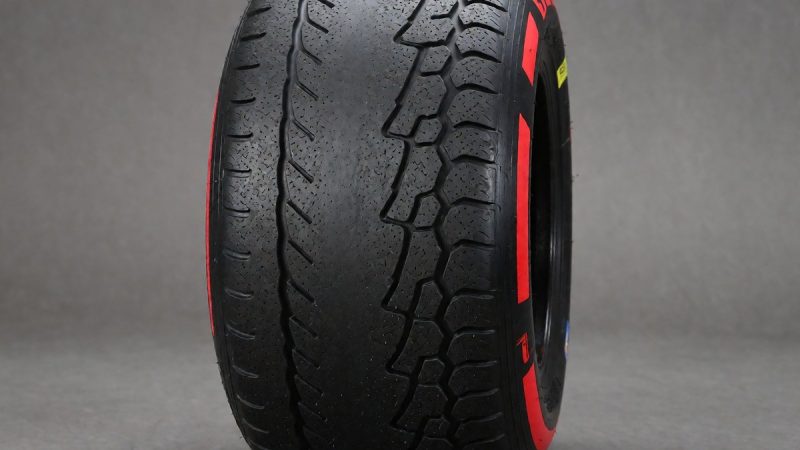
The 2026 technical regulations modify the chassis and aerodynamics. The FIA reduced the maximum wheelbase by 200mm to 3400mm and the width by 100mm to 1900mm. The 2026 cars have a minimum weight of 768kg, which is 30kg less than the 2022 models. The FIA says downforce will drop by 30% and drag by 55%. The 18-inch wheel size remains, but the front tyre width is 25mm narrower and the rear is 30mm narrower. The cars use active aerodynamics with moveable front and rear wings. This allows for greater cornering speeds with one wing angle and higher straight-line speed with a second angle. The FIA revised front impact structure rules using a two-stage nose design to mitigate detachment risk. Side intrusion rules are more stringent. Protection for the driver and fuel cell area is improved.
| Feature | 2026 Specification Detail |
|---|---|
| Front Impact Structure | Two-stage nose design to mitigate detachment |
| Side Intrusion | More stringent rules for driver and fuel cell protection |
| Minimum Car Weight | 768kg (30kg less than 2022) |
| Max Wheelbase | 3400mm (200mm reduction) |
| Max Width | 1900mm (100mm reduction) |
| Downforce Reduction | 30% reduction |
| Drag Reduction | 55% reduction |
| Battery Power | 350kw (300% increase from 120kw) |
| Hybrid Power | 400kw |
| Braking Energy | 8.5 MJ per lap |
Power unit and sustainability goals
The 2026 power units use advanced sustainable fuels to reach Net Zero Carbon by 2030. The power units have a 50% electrical and 50% thermal power distribution. The battery power is 350kw, which is a 300% increase from 120kw. The amount of energy that can be recuperated during the braking phase is 8.5 MJ per lap. The hybrid power is 400kw. Six manufacturers commit to the power units. These include Ferrari, Mercedes, Renault, Honda, Audi, and Ford. Ford enters through a partnership with Red Bull Powertrains. The shift to a higher electrical component makes the car more efficient.
The RESCUE-RACER concussion study
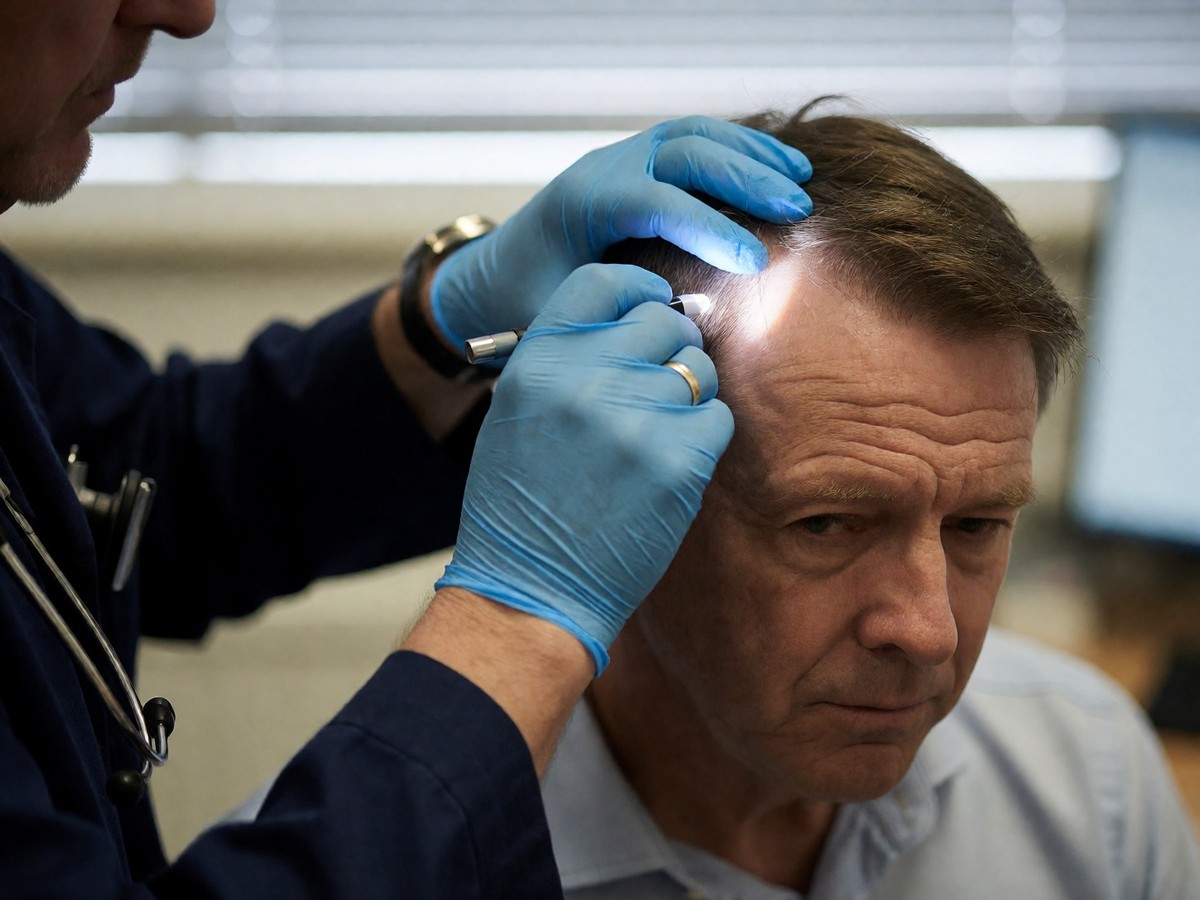
The RESCUE-RACER program (Research Evaluating Sports ConcUssion Events – Rapid Assessment of Concussion and Evidence for Return) investigates concussion in international motorsport. This two-year study partners the FIA with Cambridge researchers. Professor Peter Hutchinson leads the project from the Cambridge Department of Clinical Neurosciences. Dr. Naomi Deakin, a PhD student at Robinson College, coordinates the research. The research investigates 40 UK-based racing drivers, primarily from the British Touring Car Championship. It also assesses 20 drivers in the acute post-injury period, which lasts up to three weeks after injury.
A concussed driver presents a lethal risk to competitors, spectators, and crew. The study aims to establish a plan for clinical management and the return-to-race decision. It also seeks to establish medical decision-making protocols for track-side evaluation after concussive incidents. The study receives funding from the FIA Foundation and support from Neuro Kinetics.
Advanced concussion assessment technology
Researchers use several technologies to assess concussion. They use 7T functional Magnetic Resonance Imaging (fMRI) scanners to measure brain activity. These scanners measure changes in blood flow. The team uses eye tracking, balance, and reaction time measurements. The team collects data using technology developed by Neuro Kinetics, Inc. They also use the Cambridge Neuropsychological Test Automated Battery (CANTAB) and salivary biomarkers. The goal involves establishing a plan for clinical management and the return-to-race decision. This technology helps establish the progression of concussion symptoms in motorsport.
The Watkins Scholarship for medical experts
The Watkins Scholarship identifies the next generation of medical and engineering experts. The FIA and FIA Foundation fund this initiative. The fourth iteration of the scholarship provides a role within the FIA Safety Department. The selection panel includes Formula One Managing Director Ross Brawn, German Motor Sport Federation Medical Director Michael Scholz, and FIA Safety Director Adam Baker. Dr. Naomi Deakin won the scholarship previously and launched the RESCUE-RACER study. Candidates must have an advanced tertiary qualification such as a PhD or a Masters Degree. They must demonstrate high academic success and an interest in medical or engineering fields. The winner works at the FIA head office in Geneva. Can the FIA maintain this momentum in medical research?