Risks in FIA 2026 wheel rim temperature sensor calibration
Teams use custom wheel rim designs from suppliers like Enkei or OZ Racing to manipulate tire heat and pressure. Mario Isola notes that the historical pressure delta of two psi is no longer accurate, with most teams now estimating a delta of only one psi for the 2026 season.

Thermal management and custom rim design
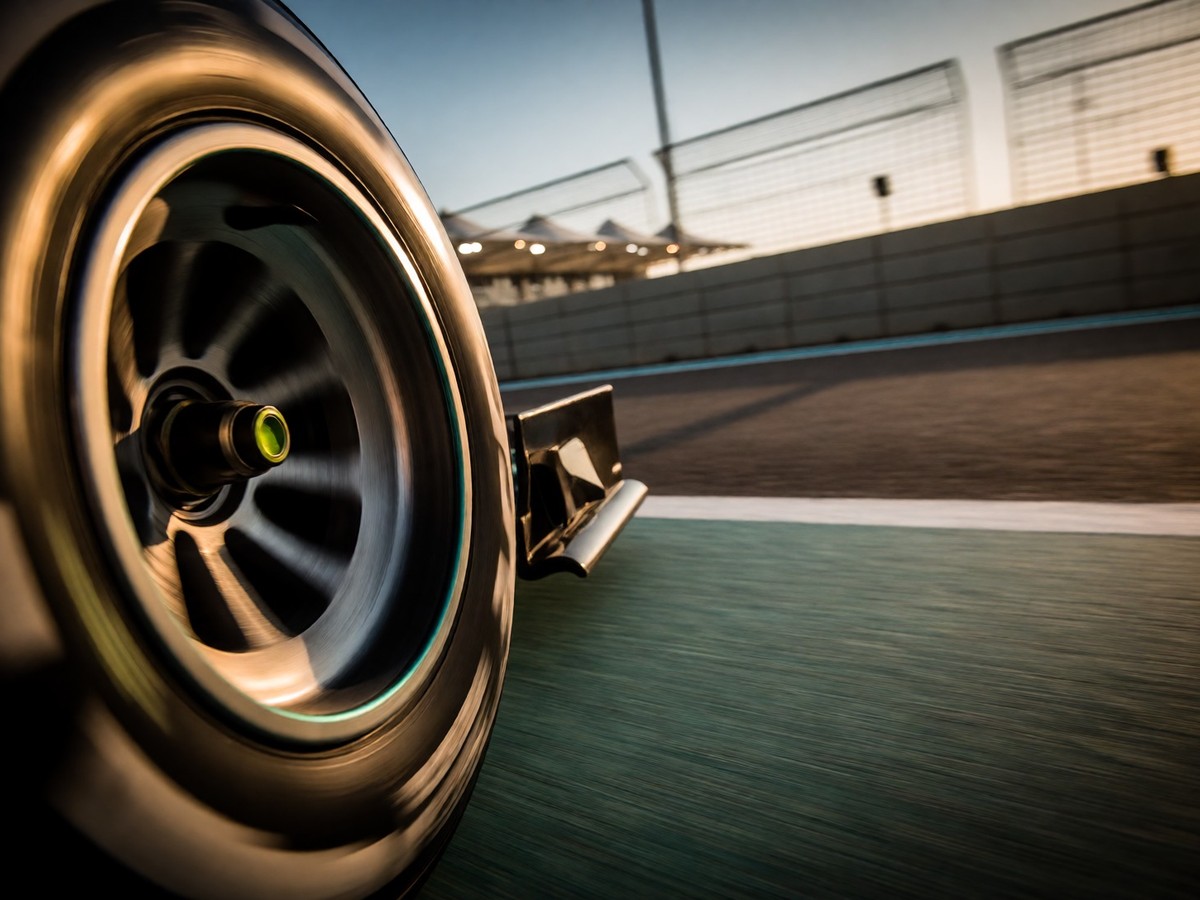
Teams now control the thermal state of 2026 tires through custom wheel rim designs. The FIA allows teams to partner with suppliers like AppTech, Enkei, or OZ Racing to create rims that manage heat exchange. This ability to manipulate how heat travels from the brakes to the tire creates a performance gap between teams. Some teams design rims to cool the brakes, while other teams use solid or semi-solid rims to prioritize tire warm-up. You already know that tire temperature dictates grip. The 2026 regulations introduce a heavy reliance on the interaction between the rim and the tire. Teams must manage how much heat the brake ducts transfer to the wheel. This heat directly affects the pressure within the tire. A stable pressure helps maintain the contact patch on the track. If the pressure fluctuates too much, the car loses predictable handling.
The design of the wheel rim influences how much heat the tire receives during a race. Teams use the rim as an engineering lever to reach the optimal operating window. Some teams aim for higher temperatures to make tire warm-up easier. Other teams seek lower pressures and cooler running conditions. This divergence means rim design is a visible marker of each team’s strategic identity.
Sensor pairing and FIA oversight
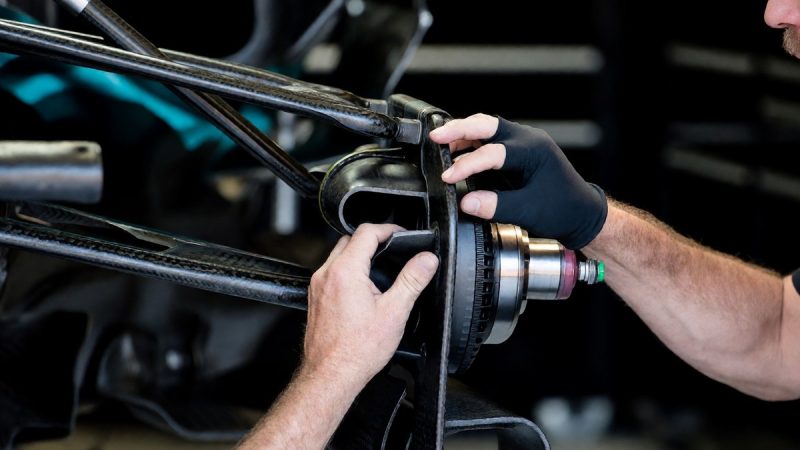
The FIA regulates the connection between the tire, the rim, and the pressure sensor through a process called pairing. Dario Marrafuschi explains that the FIA must receive notification whenever a team changes a rim specification. This rule prevents teams from bypassing sensor accuracy by swapping components without oversight. The sensor on the rim monitors the pressure, and the FIA uses this data to ensure compliance. This pairing is similar to how a computer pairs with Bluetooth earphones.
The FIA informs itself when teams change rim specifications to ensure they follow technical guidelines. This oversight prevents teams from using unapproved designs to manipulate thermal performance. When teams change their rim specification at a circuit, Pirelli performs the operation by stripping the tire and changing the rim. The FIA must know about these changes because the sensor is physically linked to the rim.
Pressure deltas and operating windows
Managing the pressure delta between starting and running conditions remains a difficulty for engineers. Mario Isola stated that the previous historical delta of two psi is no longer accurate for these cars. Most teams now estimate a delta of only one psi for the 2026 season. While the FIA oversees the pairing of sensors and rims, the technical freedom to alter spoke geometry and ventilation patterns allows teams to manipulate the thermal state of the tire to suit their specific race strategies.
The relationship between the core and the tread temperature is sensitive. The tire core must remain at the correct temperature to provide enough elasticity to support the tread. If the core stays too cool, the tread may overheat. This creates a cycle where the compound fails to bond with the track surface. This lack of bonding leads to a loss of cornering force.
Tire degradation and overheating risks
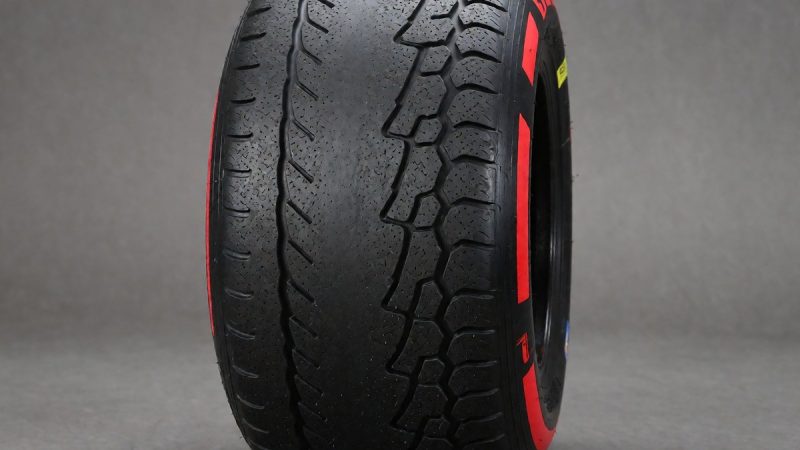
The 2026 tires are more sensitive to heat because they are smaller. The front tires are 25mm narrower and the rears are 30mm narrower than 2025 models. This reduces the surface area available to dissipate heat. High loads can push surface temperatures to 145 degrees Celsius. This heat causes the compound to blister. Blistering on the surface often starts in the core.
The mass of the car also affects how the tire handles thermal loads. The 2026 cars are 30kg lighter than 2022 models. A lighter car has different inertia and weight distribution. This change affects how much energy the tire absorbs during a race. If a driver pushes too hard to compensate for weight or power issues, they risk overheating the rubber.
| Specification | 2026 Value |
|---|---|
| Minimum Weight | 768kg |
| Maximum Wheelbase | 3400mm |
| Maximum Width | 1900mm |
| MGU-K Power | 350kW |
| Energy Recovery (Braking) | 8.5 MJ |
| Front Tire Width Reduction | 25mm |
| Rear Tire Width Reduction | 30mm |
Aerodynamic influence of rim geometry
Rim shape and spoke geometry influence the aerodynamic wake of the car. The design of the rim affects how much air flows around the tire. This airflow impacts the stability of the floor and the sidepods. Teams use the outward deflection of hot air from the rims to manage airflow from the bodywork.
The front wheels sit in one of the most turbulent aerodynamic zones on the car. Teams use carbon-fiber lips on the rims to guide airflow around the tire. This helps reduce turbulence and stabilizes the wake that feeds the sidepods. The design of the rim also changes how the car handles the ground effect. A change in rim design can alter the way the car interacts with the track surface.
Mule car testing in Abu Dhabi
The first collective 2026 test in Abu Dhabi involved 10 teams running mule cars. These cars use current-spec machinery to approximate next year’s performance. Kimi Antonelli set the fastest time of 1m25.170s. This time was 2.5 seconds slower than the best Mercedes qualifying time from the race weekend. The average deficit for all 10 teams was 3.93 seconds.
The test allowed teams to see the impact of narrower tires and new aerodynamic profiles. Mercedes used a design on Antonelli’s mule car that used large tubing to connect an actuation system to an internal system in the nosecone. Ferrari used a carbon stem behind the wing that feeds back under the nosecone. These tests provide real-world tire data that teams can use in their models before the January tests in Barcelona.
Can the FIA maintain control over these thermal strategies? The technical freedom of the 2026 wheel rim design makes thermal management the primary battleground for teams.