Red Bull RB22 weight deficit prevents championship contention
Red Bull's RB22 carries a 62.8 lb weight excess above the 768kg minimum limit, causing a performance penalty of approximately 1.00 second per lap. This massive weight deficit creates handling instability and prevents the car from competing with the lighter Mercedes W17.

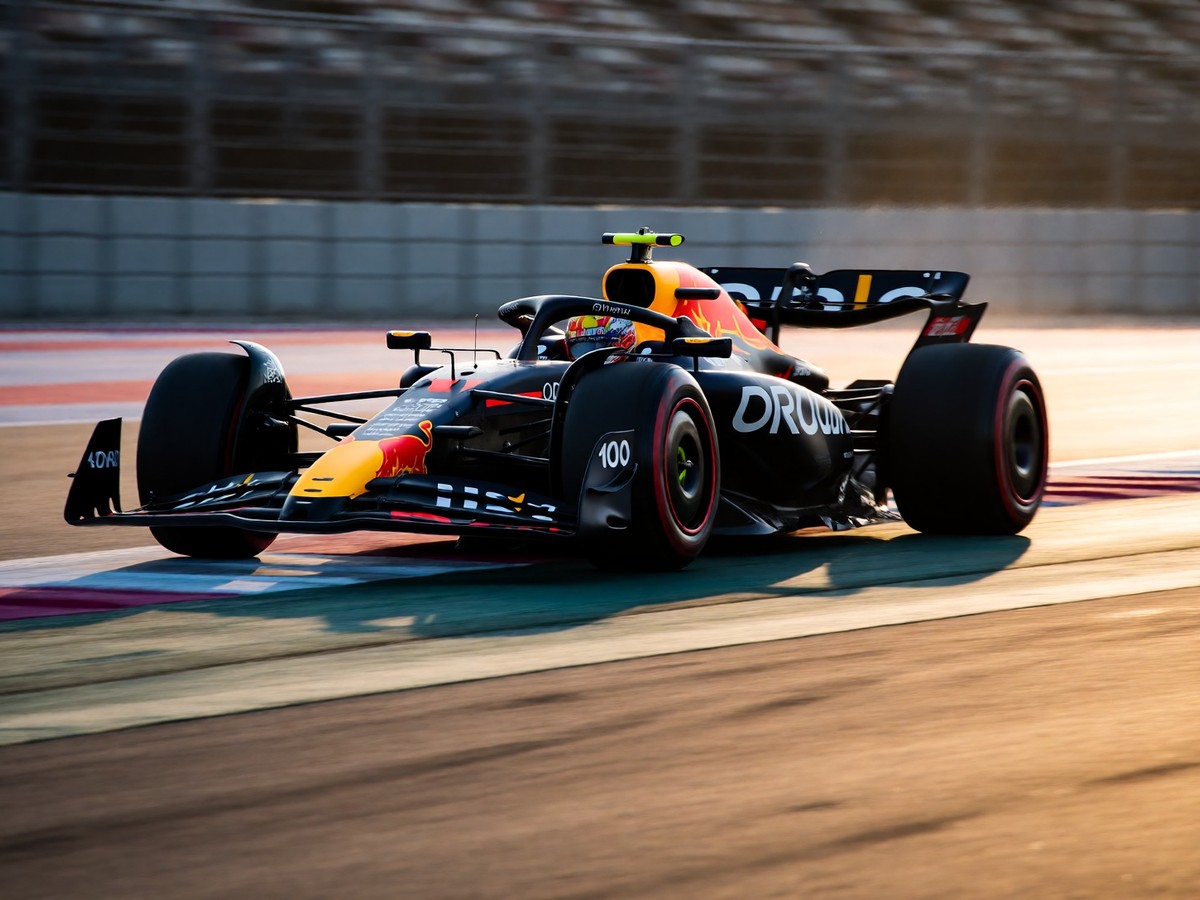
Red Bull’s RB22 carries a weight deficit that makes chasing Mercedes impossible. Leaked weighbridge data from the Chinese Grand Prix shows the car weighs 1760.0 lb. This puts the RB22 62.8 lb above the 768kg minimum weight limit. I see a massive performance gap because the car weighs 58 lb more than the Mercedes W17. Using the industry-standard penalty of 0.16 seconds per 10 lb, this weight cost Red Bull 1.00 second per lap. Mercedes only loses 0.07 seconds per lap. I conclude that Red Bull cannot compete with Mercedes until they solve their massive weight problem.
The weighbridge data comparison
Red Bull struggles to match the light weight of its competitors. The team faces a massive task to shed weight. They must strip components and rethink cooling systems to reach the 768kg limit. This effort follows pre-season testing in Bahrain where the car was overweight. The team currently follows an emergency weight-loss program. They want to avoid repeating the heavy car issues from 2022. You probably realize that F1 teams live and die by the millisecond, but Red Bull is losing whole seconds due to a scale.
| Team | Car Weight (lb) | Total Weight (lb) | Overweight (lb) | Lap Time Loss (s/lap) |
|---|---|---|---|---|
| Mercedes | 1521.2 | 1702.0 | +4.4 | ~0.07 |
| Alpine | 1536.0 | 1716.0 | +18.7 | ~0.30 |
| McLaren | 1538.2 | 1718.2 | +20.9 | ~0.33 |
| Ferrari | 1540.4 | 1719.6 | +23.1 | ~0.37 |
| Williams | 1565.3 | 1746.0 | +48.5 | ~0.77 |
| Red Bull | 1580.0 | 1760.0 | +62.8 | ~1.00 |
The discrepancy between Red Bull and its rivals is stark. Mercedes sits almost perfectly on the limit with a 4.4 lb excess. While Alpine, McLaren, and Ferrari also carry extra mass, their penalties range from 18.7 lb to 23.1 lb. These teams lose between 0.30 and 0.37 seconds per lap. Red Bull’s 62.8 lb excess is much larger. Williams also struggles with a 48.5 lb overweight figure, which costs them 0.77 seconds per lap.
Instability and handling problems
The excess mass causes instability between the front and rear axles. In Japan, the RB22 exhibited pronounced instability that forced drivers into abrupt corrective inputs. The car showed understeer on corner entry and oversteer on exit. Max Verstappen described the back of his car as insufficiently compliant over bumps and kerbstones in Monza. This weight masks the potential of the Red Bull Ford engine. The extra pounds cause slower exits, more tire degradation, and longer stopping distances.
The weight issues impact the vehicle dynamics and aerodynamics. A heavier car affects energy management and the ability to use the hybrid system effectively. Red Bull engineers must integrate the aerodynamic platform with mechanical behavior to smooth load transfers. They want a more predictable balance instead of a pointy car. This task becomes harder because they must fix handling without sacrificing lap time.
Engine performance versus chassis weakness
Red Bull staff at Milton Keynes believe the engine is on par with Mercedes. Antonio Lobato and Jesus Munoz Guerrero reported that the team thinks the power unit could compete if the chassis were better. In Australia, the two Racing Bulls set the second and third fastest times in the second sector on a circuit where the engine counts for much. This shows the Red Bull Ford DM01 1.6 L V6 engine has strength. However, the chassis remains the weak point.
The team prioritised power over reliability during development. This decision caused Isack Hadjar to suffer a blown engine at the Australian GP. Max Verstappen also dealt with a coolant leak in Shanghai. While the power unit performs well, the chassis issues persist. Liam Lawson’s data from the Chinese Grand Prix confirmed that Racing Bulls have an edge over Red Bull when comparing power unit efficiency with the chassis. This confirms the RB22 is too heavy.
Updates in Madrid
Red Bull brought two changes to Madrid to fix reliability and aerodynamics. The team modified the connection between the floor and the chassis. They also worked on the rear of the car following the tweaks in Monza. They added a new, sturdier seal around the suspension and winglets behind the suspension fairings. These changes aim to regain aerodynamic load while retaining the new construction around the wheel.
The floor structure also received attention. Red Bull altered both the shape and the build of the floor structure where it connects to the chassis. This should reduce local stress and prevent floor damage when the section deflects under load. Mercedes brought three updates to Madrid, including a narrower central winglet and an extra winglet behind the exhaust. Cadillac also brought two updates, including a revised rear winglet and a modified diffuser.
The 2026 regulations and car dimensions
The 2026 regulations changed the dimensions of the cars. The maximum wheelbase is 3400mm and the width is 1900mm. The minimum weight is 768kg. This is a reduction from the 800kg limit used previously. Smaller, lighter cars are meant to be more nimble. The 2026 power units use a 50-50 power split between internal combustion and electrical energy. The engines use sustainable fuels and feature a 1.6 L V6 turbocharged layout limited to 15,000 rpm.
Active aerodynamics play a major role in the new era. Drivers use Straight Mode to reduce drag and Corner Mode to maintain downforce. The old DRS system is gone. It is replaced by active front and rear wings that move to suit the energy demands of the power unit. Drivers can also use Overtake Mode to get an extra +0.5MJ of electrical power when they are within one second of a car they are chasing.
Driver performance and feedback
Max Verstappen has been vocal about his dissatisfaction with the RB22. He called the car horrendous on team radio. His performance suffers because the weight makes the car hard to control. He struggled with rear-axle issues in Monza, which he said cost him at least two tenths. Verstappen’s experience shows that even a four-time champion cannot overcome the physics of a 62.8 lb weight penalty.
Isack Hadjar and Liam Lawson also drive the RB22. Hadjar experienced engine failures, while Lawson’s data showed the chassis struggles with efficiency. The team is building the car around Verstappen’s driving style. Engineers focus on airflow stability and downforce control to help his aggressive braking and cornering. Will Red Bull find the mass to shed before the season slips away?
Engineering the weight reduction
Red Bull engineers face a massive task to shed weight. They must strip components and rethink cooling systems to reach the 768kg limit. This effort follows pre-season testing in Bahrain where the car was overweight. The team currently follows an emergency weight-loss program. They want to avoid repeating the heavy car issues from 2022.
The team’s philosophy involves making the car quicker first, then managing the weight. This approach worked in 2022 when the team shed excess baggage to dominate the field. However, the 2026 rules make weight more sensitive. A heavier car means slower acceleration, longer braking distances, and higher tire wear. Red Bull is hunting every ounce to fix the balance. They want to improve the integration between vehicle dynamics and aerodynamic performance. This requires a complex balance of mechanical and aero changes.