Physical and technical risks in Aston Martin and Honda partnership
Severe engine vibrations threaten driver safety, causing Fernando Alonso to fear permanent nerve damage. Technical deficits in power and a lower 11,000 rpm rev limit further hinder the AMR26 performance.

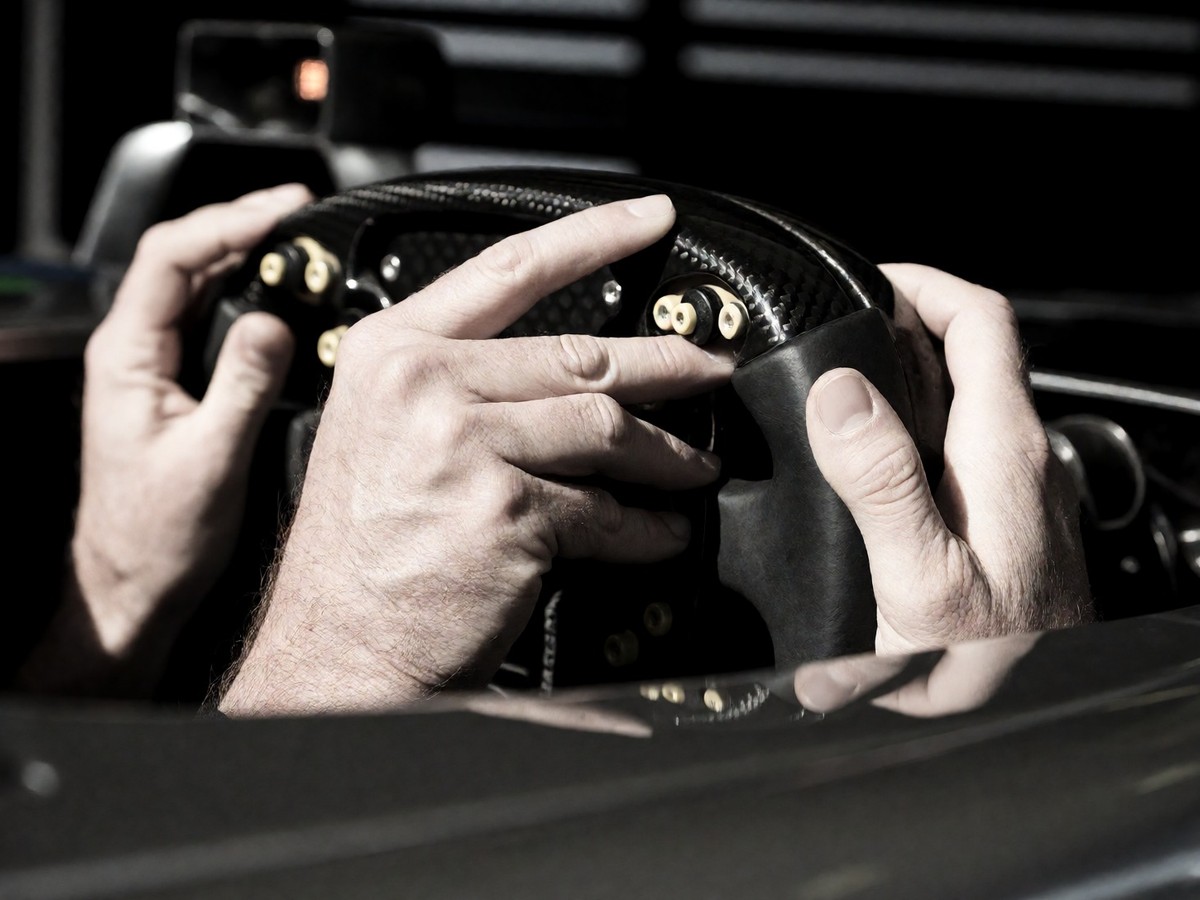
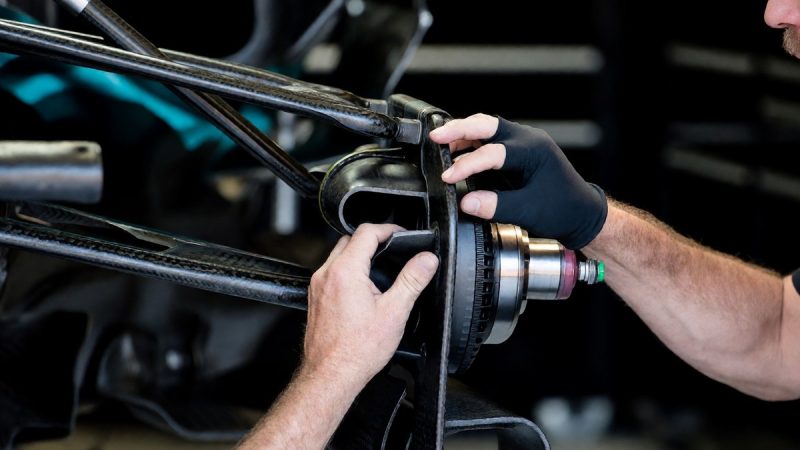
The vibration in the Honda engine is a physical hazard for the drivers. These vibrations damage battery cells and cause components to fall off the car. Mirrors and tail lights have already detached from the vehicle. Adrian Newey says the vibration transmits into the chassis and into the steering. The vibrations into the fingers are even more severe. The vibrations transmitted through the chassis into the steering and the drivers’ hands create a situation where Fernando Alonso fears he cannot complete more than 25 consecutive laps without risking permanent nerve damage to his fingers. Lance Stroll believes his threshold is only 15 laps. This situation makes the pre-season testing in Bahrain and Barcelona a nightmare. The team must find a way to stop the vibrations at the source.
The internal combustion engine lacks enough power. This deficit forces Honda to deploy more electrical power in certain parts of the track. This extra deployment leaves no energy for the second half of the straights where drivers need it. This creates a self-fulfilling downward spiral for the performance of the AMR26. The engine also has a limited rev limit of 11,000 rpm. This is lower than the 12,000 rpm used by rivals. Honda is also experiencing vibrations in the internal combustion engine. These vibrations prevent Honda from focusing on performance improvements. The Aston Martin and Honda partnership is a failing project.
Adrian Newey says the car is the fifth fastest on the grid. The gap between the Aston Martin chassis and the leaders is between 0.75 and 1.0 seconds. Newey joined Aston Martin in March 2025 and became team principal in November 2025. The team could not use its new wind tunnel until March 2025. This delay means the team is at least four months behind rivals in aerodynamic development. Honda has limited the amount of low fuel running the team can do. This restriction stops Newey from learning about the absolute limit of the chassis and the aerodynamic platform.
Honda’s preparation for 2026 was insufficient. The company maintained a skeleton staff from late 2021 until the deal with Aston Martin was agreed in early 2023. This period of inactivity meant the staff who developed the title-winning Red Bull engines were decimated. Honda conducts virtual track testing at its Sakura base using a combined chassis, engine, and gearbox setup. These simulations did not predict the severe vibrations encountered on the track. The actual values of the vibrations exceeded the expectations of Honda Racing Corporation leaders.
The FIA provides a regulatory safety net for manufacturers with performance deficits. This system is the Additional Development and Upgrade Opportunities program, or ADUO. If the FIA determines a manufacturer is between 2% and 4% behind the leader, that manufacturer receives one additional upgrade. If the deficit is more than 4%, the manufacturer is entitled to two upgrades. For manufacturers with a deficit of more than 10%, the FIA offers a larger package. This package includes 230 extra Power Unit Test Bench hours, a $11 million downward adjustment to the cost cap, and a one-off $8 million bonus for the 2026 season.
The financial regulations for Formula 1 involve complex adjustments. The overall cost cap for teams rose to $215 million in 2026. This is a significant increase from the $135 million limit used in 2024 and 2025. The power unit cost cap for manufacturers is $190 million for 2026. Manufacturers like Honda must manage these limits while addressing reliability. You know the history of Honda in Formula 1, so the current reliability issues in Bahrain feel like a grim repetition.
| Specification or Regulation | Value or Limit |
|---|---|
| 2026 Team Cost Cap | $215 million |
| 2026 Power Unit Cost Cap | $190 million |
| Honda ICE Rev Limit | 11,000 rpm |
| Rival ICE Rev Limit | 12,000 rpm |
| MGU-K Power Limit | 350kw |
| ADUO Tier 1 Upgrade | 1 upgrade (2% to 4% deficit) |
| ADUO Tier 2 Upgrade | 2 upgrades (>4% deficit) |
| ADUO >10% Deficit Package | $19 million total |
Honda has a history of struggle when partnering with other teams. In 2015, the engine manufacturer worked with McLaren. The power units were uncompetitive and unreliable. Fernando Alonso described the power unit as a "GP2 engine" at the 2015 Japanese Grand Prix. This era ended after three seasons. Honda later improved its technology with Toro Rosso in 2018 and Red Bull in 2019. The recent failure in testing mirrors the difficulties Honda faced when its simulations did not match real-world track conditions.
The data collected during testing is very low. Fernando Alonso completed only 66 laps in Barcelona. During the first week of testing in Bahrain, he completed 206 laps. In the second week of Bahrain, he completed 128 laps. These low numbers result from battery problems. Honda only has two batteries available. If a battery fails, it could end a race weekend for a car. The current lack of data prevents the team from understanding the performance hierarchy. Will the technical changes Honda proposes for the 2027 engine solve the fundamental integration issues between the chassis and the power unit? Alonso says his hands and feet feel numb after several laps.