FIA technical pathways for 2026 cockpit cooling and heat management
Extreme cockpit temperatures reaching 50 degrees Celsius in Qatar have prompted the FIA to investigate new airflow solutions. Engineers must now integrate cooling improvements into the 2026 chassis without compromising the goal of reducing minimum car weight to 768 kg.

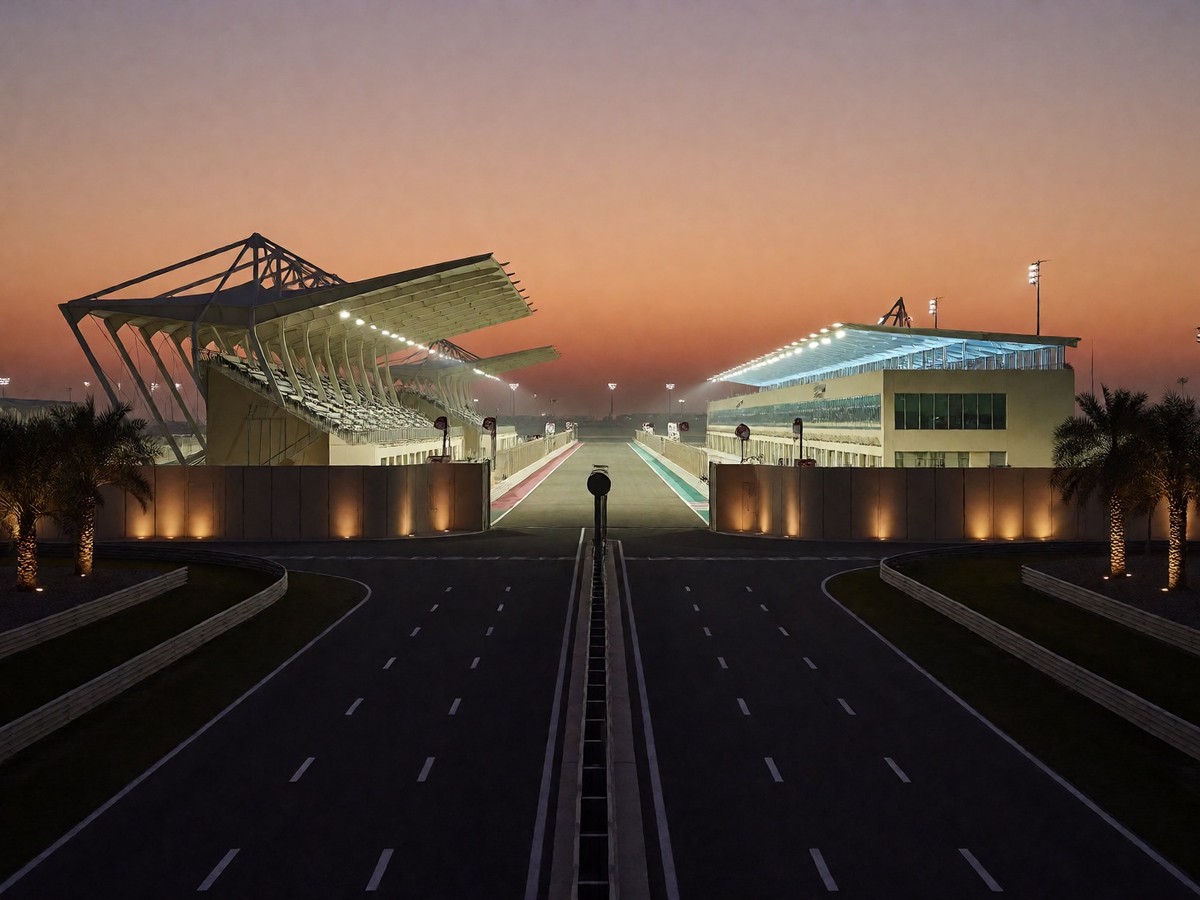
Drivers in Qatar faced extreme temperatures that exceeded safe operating limits. Logan Sargeant retired from the race with 17 laps remaining after suffering from intense dehydration. Alex Albon visited the medical centre for acute heat exposure. Esteban Ocon vomited inside his helmet during the fifteenth and sixteenth laps of the race. George Russell said the conditions were beyond the limit for what was acceptable for driving. Valtteri Bottas described the sensation in the car as torture. The cockpit temperatures reached 50 degrees Celsius. Drivers had to push throughout each stint because the FIA mandated maximum stint lengths for every tyre, which forced at least three pit stops per driver. Charles Leclerc noted that the heat and the high-speed corners made this the toughest race of his career.
The FIA is now analyzing the situation in Qatar to provide recommendations for future extreme weather conditions. The governing body stated that elite athletes should not compete under conditions that could jeopardise their health or safety. This investigation includes research into modifications for more efficient airflow in the cockpit. The FIA will also discuss these cooling issues at the next Technical Advisory Committee meeting on 31 October. This meeting includes the technical directors of the ten teams, the FIA, and the Formula 1 chief technical officer, Pat Symonds. The FIA aims to coordinate between its technical, safety, and medical departments to address these driver safety concerns.
The technical implementation of cockpit cooling presents a significant weight penalty. Pat Symonds noted that the installation of cooling equipment is not straightforward because it adds mass to the car. He mentioned that IndyCar uses different vent arrangements and drivers utilize cool suits. These cool suits can weigh a couple of kilograms. Because the FIA aims to reduce weight by 40 to 50 kilograms in 2026, engineers must find ways to allow more cockpit airflow without adding mass that would negatively impact the agile handling of the new chassis. Teams must decide what performance they lose when they add weight to improve driver comfort. You already know that drivers face extreme physical demands, so the technical shift toward cockpit cooling is a necessary response to the heat in Qatar.
The 2026 technical regulations focus on a nimble car concept through various dimension and weight changes. These changes aim to reduce the physical size and mass of the vehicles to improve agility.
| Specification | 2026 Value/Change |
|---|---|
| Minimum Car Weight | 768 kg |
| Wheelbase | 3400 mm |
| Car Width | 1900 mm |
| Floor Width Reduction | 150 mm |
| Front Tyre Width Reduction | 25 mm |
| Rear Tyre Width Reduction | 30 mm |
| Downforce Reduction | 30% |
| Drag Reduction | 55% |
The FIA is also pursuing a lightweight halo to aid these weight reduction goals.
The FIA is seeking a manufacturer for a new titanium alloy halo for the 2026 season. The current halo weighs seven kilograms, but the new tender requires a mass greater than 6kg. This reduction of up to one kilogram is part of the wider effort to decrease the minimum car weight. The new halo must pass three static tests where it withstands up to 125 kilonewtons of force. The titanium construction remains a requirement to ensure the structure maintains the necessary strength. The halo has helped save lives, such as during the incident involving Romain Grosjean in Bahrain. Can the teams balance these cooling needs without compromising the slim weight margins of the 2026 chassis?
Aerodynamic changes in 2026 will influence how air moves around the driver. The new regulations replace the Drag Reduction System with active aerodynamics. These systems use moveable front and rear wings that act like Venetian blinds. In Z-mode, the flaps stay closed to maximize downforce for cornering. In X-mode, the flaps open on straights to reduce drag and increase top speed. The front wing also includes two active flaps that move to provide stability. The removal of the ground-effect Venturi tunnels and the move to a flatter floor will change the airflow patterns. These new aerodynamic profiles might impact how much air reaches the cockpit area.
The 2026 power units will use a different power distribution than previous years. The electrical component of the power unit will increase to 350kW. This represents a 50/50 split between internal combustion engine power and electrical power. Drivers must manage a 4MJ battery capacity. The amount of energy that can be recuperated during braking is 8.5 MJ per lap. The FIA limits the maximum energy harvest to 7MJ per lap to encourage consistent driving. The MGU-K deployment stays at 350kW in acceleration zones but drops to 250kW in other parts of the lap. Drivers use an Overtake Mode to get a burst of additional battery power when they are within one second of the car in front.
The FIA maintains strict safety and environmental monitoring protocols. In Qatar, the heat stress risk is managed using the Wet Bulb Globe Temperature (WBGT) system. When the WBGT reaches 31.1 degrees Celsius, work requires close monitoring and 10-minute breaks after every 20 minutes of work. If the WBGT reaches 32.1 degrees Celsius, all activity must halt. The 2026 chassis also includes improved safety structures. The roll hoop must withstand 20% more load than previous years, rising from 16g to 20g. The front impact structure uses a two-stage design to protect the driver during secondary impacts. The FIA’s plan to integrate cockpit airflow research into the 2026 technical framework provides the most direct path to resolving driver heat stress.