FIA cockpit humidity sensor calibration and driver health monitoring
The FIA is managing technical sensor calibration for the 2026 Formula 1 season to address driver physical impairment and power unit reliability. New regulations aim to mitigate neurological risks caused by Honda's RA626H power unit vibrations before the Miami Grand Prix.

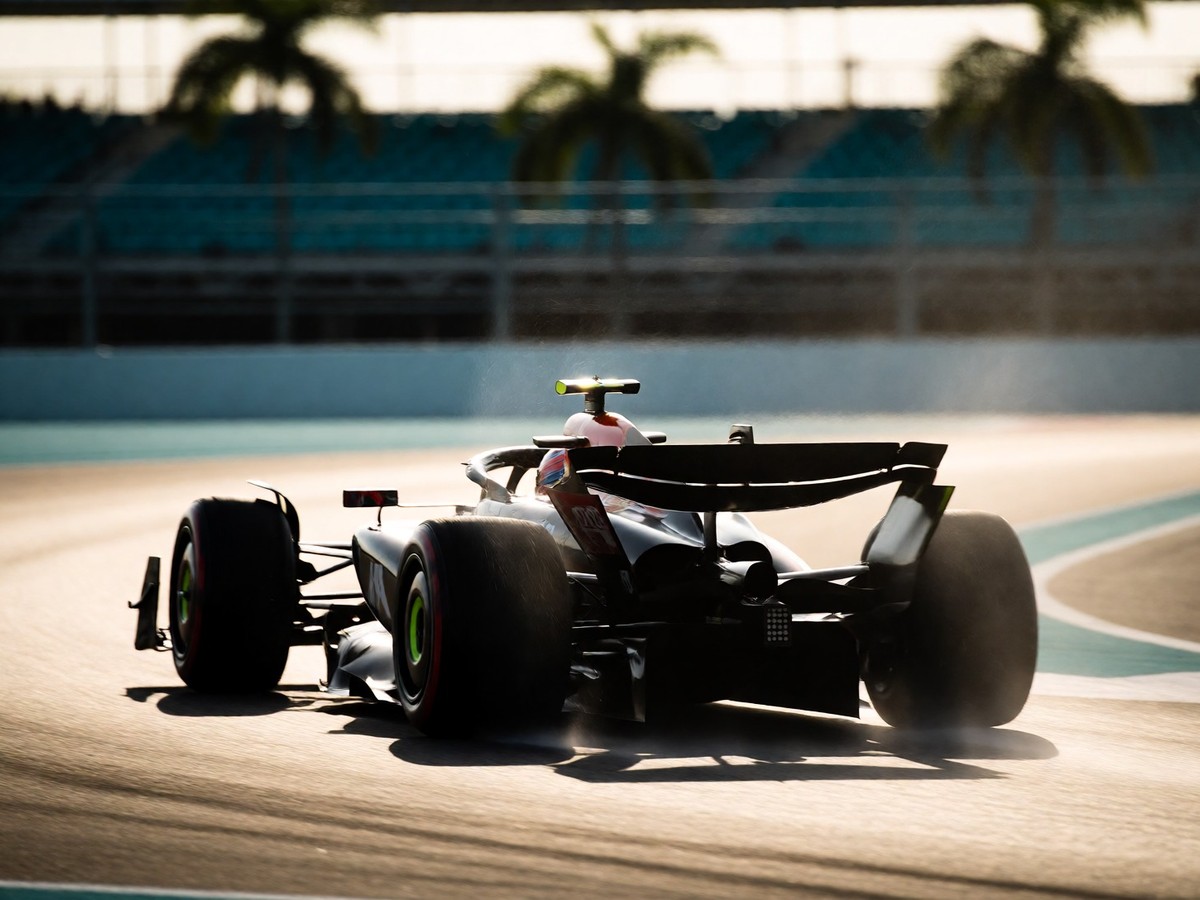
The FIA is currently managing the technical calibration of driver health and vehicle stability sensors as the 2026 Formula 1 season approaches the Miami Grand Prix. This regulatory focus follows a series of systemic failures involving power unit energy management and physical driver impairment. While the 2026 regulations introduced a fundamental architectural shift in power delivery, they also introduced new vulnerabilities in how teams monitor and respond to real-time driver conditions.
The 2026 regulations changed the power unit architecture by reducing the internal combustion engine output from 550kW to 350kW. The electric motor output tripled from 120kW to 350kW, creating a 50/50 hybrid split where both components contribute roughly equal power. This shift increased the recoverable energy per lap to approximately 8.5 MJ. These changes created a system where real-time energy management became the most decisive variable in competitive performance.
| Component | 2026 Specification |
|---|---|
| Internal Combustion Engine Output | 350kW |
| Electric Motor Output | 350kW |
| Recoverable Energy per Lap | 8.5 MJ |
| Power Split Ratio | 50/50 |
The 2026 power unit energy crisis
The new power unit regulations produced immediate reliability issues that the FIA must now address through improved sensor-based validation. Before the Australian Grand Prix, Oscar Piastri’s car crashed on the reconnaissance lap. His battery fully depleted and triggered an unexpected 100kW surge as the system attempted to recover. Cold tyres and a wet exit kerb combined with this uncontrolled power event to remove the driver from the race before it began. McLaren’s monitoring systems did not predict this event.
At the start of the race, Liam Lawson’s Racing Bulls car stalled on the grid because it had zero battery charge. Franco Colapinto narrowly avoided a high-speed collision after swerving into the pit wall gap when Lawson’s car failed to move at the lights. These incidents highlighted a significant gap in how teams validate energy deployment. Max Verstappen also experienced a failure in Shanghai when he retired from the race with an ERS coolant issue. This thermal management failure in his electric recovery system demonstrated the volatility of the new hybrid architecture.
Data integrity failures in Shanghai
The Shanghai Grand Prix highlighted a major data integrity problem for the sport. Two race weekends saw five incidents and zero independent validation. Both McLaren cars failed to leave the garage, which exposed a failure in how teams manage real-time telemetry and diagnostic certainty. McLaren identified an electrical issue on Lando Norris’s MCL40 that required the team to remove the car’s floor to inspect multiple components. Although the team applied a fix, the issue remained terminal.
Norris’s car never reached his grid slot. Oscar Piastri’s car also faced a second, entirely separate issue and was wheeled back to the garage shortly before the formation lap. Both cars of the reigning Constructors’ Champions scored zero points because of these two independent failures on the same system architecture. This situation stands in contrast to Mercedes, which successfully diagnosed and resolved a first-gear issue on George Russell’s car in qualifying. Mercedes used telemetry to fix the anomaly in time for him to qualify P2 and finish P2 in the race.
You likely know how much a single sensor error can ruin a race weekend.
Driver physical impairment and vibration sensors
The FIA is also addressing the human body as a point of failure in the 2026 season. Adrian Newey confirmed that Honda’s RA626H power unit vibrations transmit through the chassis into the drivers’ hands. This mechanical energy causes progressive neurological impairment at race pace. Alonso could not complete more than 25 consecutive laps before risking permanent nerve damage, and Stroll’s threshold was only 15 laps.
At the Shanghai Grand Prix, both Aston Martin drivers retired. Stroll exited the race by lap 10 due to a suspected battery failure. Alonso withdrew after 32 laps. Onboard footage captured Alonso removing both hands from the steering wheel to shake them while at speed. His post-race statement indicated he struggled to feel his hands and feet from lap 20 to 33. This represents a validation gap where a power unit passes FIA homologation while still transmitting enough energy to impair a driver.
FIA oscillation metric and floor stays
The FIA is moving beyond short-term fixes for the aerodynamic phenomenon of porpoising. The governing body previously allowed Mercedes to trial a second floor stay in Canada to mitigate high-frequency oscillations. This was a one-off measure because the FIA feared bouncing issues in Montreal would be as severe as those seen in Baku. However, the FIA is now focusing on a permanent solution through a new oscillation metric.
The FIA has defined a metric to monitor vertical oscillation and has established initial limits for these movements. This technical directive aims to ensure drivers do not suffer from the same high-frequency bouncing that causes back pain. Teams must now analyze their own data to ensure they remain compliant when the technical directive becomes effective. The FIA also issued updated parameters for plank wear and skid stiffness, as these factors relate directly to the oscillation issue.
The Miami development window
The FIA has deferred all fast-tracked regulatory changes until the Miami Grand Prix on May 3rd. This provides a five-week gap between the Suzuka race on March 29th and the Miami event. This window allows teams to work on software updates, deployment maps, and system revalidation. The FIA intends to use this period to ensure that the oscillation metric and energy management rules provide a level playing field.
The current regulatory review process allows teams to conduct independent analysis of their compliance. This is necessary because the FIA wants to avoid kneejerk reactions to mid-season performance shifts. The focus remains on using sensor data to ensure that aerodynamic or mechanical bouncing does not compromise driver safety. Will the FIA’s new metric finally resolve the physical discomfort drivers experience at high speeds?
Technical enforcement and plank wear
The FIA monitors plank wear and skid stiffness to prevent teams from gaining an unfair advantage. Some teams have flexed the leading edge of the plank beyond the permitted 2mm limit to allow for a higher ride height and less porpoising. This practice would allow a car to maximize underfloor performance while avoiding the vertical oscillations that trigger safety concerns.
Nikolas Tombazis, the FIA technical department head, has issued clarifications regarding these parameters. The FIA intends to monitor these elements closely because they hand in hand with the vertical oscillation metric. If a team breaches these limits, the FIA may issue disqualifications from a session. These enforcement actions depend on the technical regulations designed to police the physical limits of the cars.
System validation and the Mercedes advantage
The difference between Mercedes and McLaren in Shanghai shows how telemetry data impacts reliability. Mercedes engineers use remote telemetry to identify anomalies and resolve them under intense time pressure. When Russell’s car stopped in qualifying, the team diagnosed the issue quickly enough for him to secure a front-row start.
McLaren engineers, however, had to spend two hours performing telemetry-only diagnosis because FIA e-Safety protocols restricted physical access to the high-voltage systems. Personnel cannot physically probe the high-voltage architecture until the system is formally discharged and an e-Safety officer completes the required safety checks. This two-hour window requires actionable intelligence from the telemetry streams to be effective. Without validated data, engineers must work through raw sensor streams to reconstruct a failure timeline under immense pressure.
Driver health and neurological safety
The FIA’s mission includes protecting drivers from the physical consequences of 2026 power unit performance. The driver physical impairment caused by chassis vibrations is a primary concern for the technical department. As teams work toward the Miami Grand Prix, they must ensure that their driver health monitoring and vehicle stability sensors provide accurate alerts.
The ability to flag neurological impairment or extreme discomfort before it becomes a safety issue remains a priority. This requires the integration of chassis vibration data with driver physiological feedback. The FIA continues to review how these mechanical energies impact the human element of the sport. The goal remains to prevent a recurrence of the issues seen in Shanghai and Australia, where driver physical limits were reached due to technical failures.