Carlos Sainz debunks five Williams 2026 steering rack myths
Carlos Sainz describes the Williams 2026 campaign as a struggle after the team fell to ninth in the standings with only 11 points. He addresses technical issues including weight reduction failures, ineffective upgrades, and unpredictable car handling.

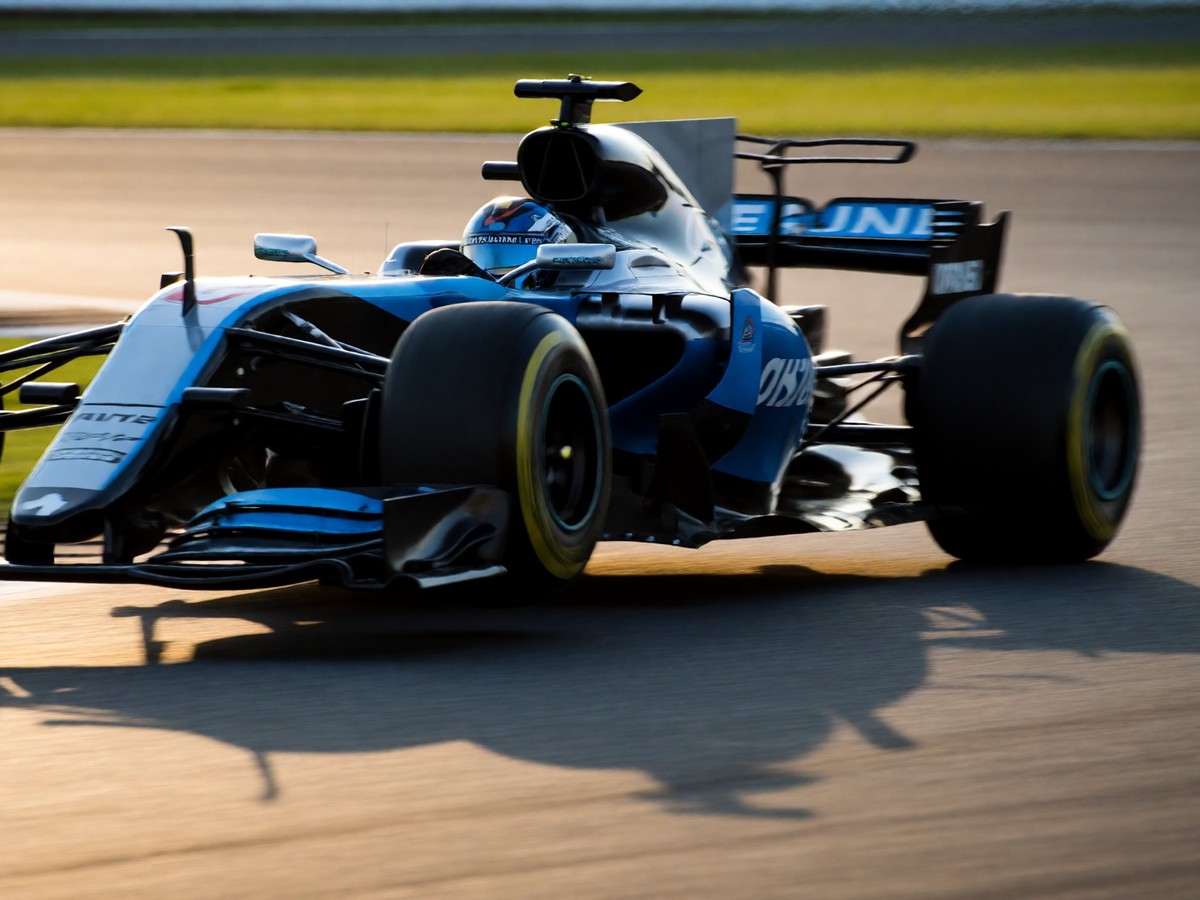
The 2026 Formula 1 season is a bad year so far for Williams. This assessment comes from Carlos Sainz, who describes the current campaign as an eye opening and character building struggle. After a successful 2025 season where the team finished fifth in the Constructors’ Championship with 137 points, expectations for the 2026 FW48 challenger were high. The team secured multiple podiums last year, including a third place finish for Sainz in Azerbaijan and another in Qatar. However, the transition to new technical regulations has caused a massive regression in performance. Williams currently sits ninth in the standings with only 11 points.
Myth 1: Removing weight fixes the car performance
The team acknowledges that the FW48 is overweight, which hampers the ability of both Carlos Sainz and Alex Albon to compete in the midfield. Early in the season, the car was up to 28kg over the weight limit. While the team worked to shed this mass, Sainz notes that the performance has not improved as expected. At the Japanese Grand Prix, the gap to the leaders was significantly smaller than at Silverstone. At Suzuka, the car was 1.6 to 1.8 seconds off the pace while it was still heavily overweight. At Silverstone, the car was two seconds off the pace even though it was much lighter.
Sainz believes the team can do better once they reduce the weight further, but the current reduction has not closed the gap to the front. The gap to the leader of the midfield keeps increasing despite the team shedding weight. This suggests that the weight was not the only reason for the lack of pace. You already know how much weight affects a car, so the widening gap is even more frustrating for the crew. The car is struggling to find the necessary laptime even when it is at its lightest.
Myth 2: Upgrades provide a competitive edge
The team fast tracked a new front wing for the Silverstone Grand Prix, which was originally intended for the Spa race. This upgrade was expected to provide an uplift in performance after the team introduced a package in Miami. In Miami, the team achieved its only double points finish of the year with Sainz finishing ninth and Albon finishing tenth. Despite the promise of the new front wing in the wind tunnel and simulator, Sainz found the car was not competitive at Silverstone. The front wing failed to deliver the expected uplift in performance.
The performance of the upgrades does not match the progress seen at other midfield teams. Racing Bulls improves by two or three tenths of a second every time they bring an upgrade to the track. Williams has not seen similar gains. Sainz says he finds it hard to think about how the team will escape this situation when the upgrades do not result in significant laptime. The team continues to struggle with the flow dynamics and aerodynamics of the 2026 chassis.
Myth 3: Handling issues are driver errors
The team faces a significant issue with the car handling that makes the drivers feel like passengers. This phenomenon involves a three wheeling issue where one tyre lifts slightly from the track surface. This instability makes the car difficult to control, especially when drivers fight for position. Alex Albon experienced this when he locked up and speared into the Haas of Ollie Bearman at Silverstone. This incident was not just a driver error but also a consequence of the worsening three wheeling issue.
This handling characteristic makes the car prone to locking up. When a car is positioned on the outside, the instability makes it harder to avoid contact with other vehicles. The drivers must take a lot of caution during the first laps of a race because of this instability. The three wheeling issue is ten times worse when the drivers are fighting other cars on track. This makes the car feel unpredictable and difficult to manage during intense racing segments.
Myth 4: New aero systems solve the balance problem
The 2026 regulations replaced the Drag Reduction System with two separate systems: Active Aero and Overtake Mode. Active Aero uses moveable front and rear wings to switch between X mode for low drag and Z mode for high downforce. Overtake Mode provides an extra burst of 0.5 megajoules of electrical energy to the power unit when a driver is within one second of the car ahead. While these systems aim to improve racing, the Williams drivers still struggle with significant aero balance issues.
The drivers complain of a general lack of downforce throughout the season. The new aero configurations have not solved the fundamental balance problems of the FW48. Sainz expresses confusion about whether the team understands the flow aerodynamics of this new regulation era. The car lacks the stability needed to compete with the likes of Alpine or Audi. The aerodynamic deficit remains a primary reason why the team remains stuck in the midfield.
Myth 5: Production delays were the only setback
Williams missed the January shakedown in Barcelona because the FW48 was not ready. This delay was caused by production issues in the factory that slowed the development cycle. While the team has worked to fix these manufacturing issues, systemic problems remain. James Vowles says the team lacks the decades of data and expertise that a team like Mercedes possesses. Williams has only two years of data to work with compared to the twenty years of data available at Mercedes.
The team is also struggling with its internal processing systems and supply chain. Vowles notes that the efficiency level of Williams is not at the level of an established Formula 1 team. It takes more money and more time for Williams to produce parts than it does for the top teams. The team is attempting to build a new support structure while also trying to fly the plane and rebuild it at the same time. This makes it difficult to make rapid changes during the season.
| Driver | 2026 Points | 2026 Position |
|---|---|---|
| Kimi Antonelli | 302 | 1 |
| George Russell | 236 | 2 |
| Lewis Hamilton | 199 | 3 |
| Lando Norris | 186 | 4 |
| Charles Leclerc | 179 | 5 |
| Max Verstappen | 163 | 6 |
| Oscar Piastri | 120 | 7 |
| Isack Hadjar | 86 | 8 |
| Liam Lawson | 59 | 9 |
| Pierre Gasly | 41 | 10 |
| Franco Colapinto | 27 | 11 |
| Oliver Bearman | 20 | 12 |
| Gabriel Bortoleto | 10 | 14 |
| Nico Hulkenberg | 7 | 15 |
| Carlos Sainz | 7 | 16 |
| Alexander Albon | 5 | 18 |
| Fernando Alonso | 3 | 19 |
| Yuki Tsunoda | 1 | 20 |
| Team | 2026 Points | 2026 Position |
|---|---|---|
| Mercedes | 538 | 1 |
| McLaren | 306 | 2 |
| Ferrari | 376 | 3 |
| Red Bull Racing | 163 | 6 |
| Williams | 11 | 9 |
| Alpine | 41 | 10 |
| Racing Bulls | 96 | 11 |
| Haas | 7 | 13 |
| Audi | 17 | 14 |
| Aston Martin | 3 | 19 |
| Cadillac | 0 | 22 |
Technical specifications of the FW48
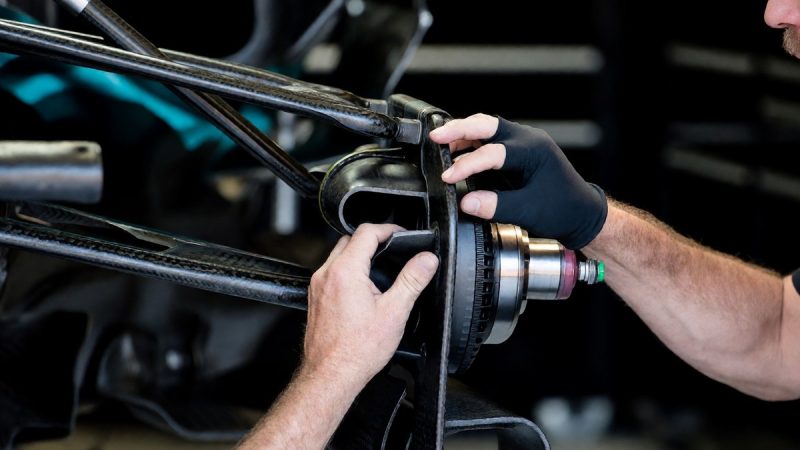
The FW48 chassis uses a specific suspension setup to manage the new aerodynamic loads. The team chose a pullrod front suspension, which is a setup used by Alpine and Cadillac. The geometry of the suspension is unique compared to other teams on the grid. The team mounted the front arm of the upper wishbone high on the chassis. The rear arm sits much lower than the front arm. This configuration creates a pronounced anti dive effect to limit nose pitch during heavy braking.
The nose of the car is relatively wide and attaches to the front wing via two outward protruding brackets. This design differs from the Mercedes and Aston Martin approach of using a central element to connect the wing to the nose. The airbox on the FW48 is large and round, though it is not as extreme as the design found on the Racing Bulls car. These technical choices reflect the team’s attempt to manage the complex airflow of the 2026 regulations.
The struggle against the midfield
Williams is finding it difficult to maintain its position against rivals in the midfield. Sainz notes that the Alpine is three or four tenths faster than the Williams. The Audi is six or seven tenths faster, and the Racing Bulls is a full second faster. This gap makes it nearly impossible for the team to fight for points in most races. The team is currently losing ground to every major competitor in the midfield.
The performance gap is exacerbated by the different priorities of the teams. While some teams focus on minor refinements, Williams is focusing on a total redesign of the chassis. The team plans to debut a B spec car at the Azerbaijan Grand Prix to address these issues. This new version will feature a redesigned chassis and more changes to the car. The team hopes this revision will finally address the handling vices that the drivers experience.
Will the B spec car be enough to convince Sainz to stay with the team?
The driver’s future depends on how quickly the team can bounce back from these failures. Sainz has expressed frustration with the current direction of the car. He is looking for a project that can actually provide a competitive platform. James Vowles remains confident that the team will turn things around. The team is working on the 2027 car while simultaneously trying to fix the 2026 challenger.