Bruno Correia takes over FIA medical car driving duties
Bruno Correia replaces Alan van der Merwe as the FIA medical car driver following Van der Merwe's decision regarding vaccination protocols. The medical response team utilizes an Aston Martin DBX with 550PS to ensure rapid emergency response during racing incidents.

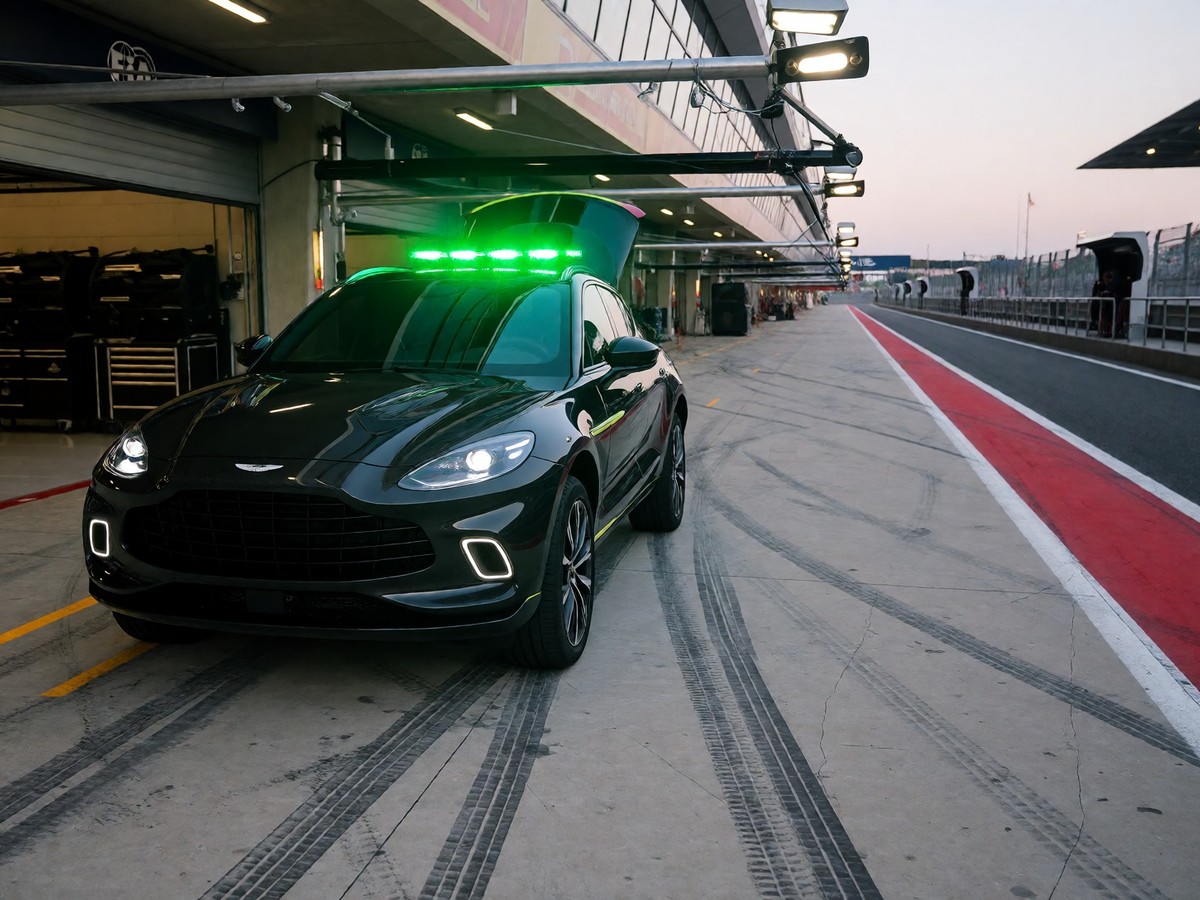
Bruno Correia takes over the driving duties for the FIA medical car. He replaces Alan van der Merwe in this role. Correia has driven the official Safety Car for the FIA Formula E championship since 2014. He also worked as a driver advisor for Formula 2 and Formula 3 this year. His appointment ensures that the medical team has a driver with experience in high-pressure racing environments. The FIA uses these professional drivers to ensure that the medical response remains rapid when accidents occur.
The departure of Alan van der Merwe
The rotation of medical car personnel changed because of health protocols and individual choices. Alan van der Merwe and medical delegate Dr. Ian Roberts missed the Turkish Grand Prix after they tested positive for COVID-19. Van der Merwe also tested positive for the virus earlier in the year. The FIA protocols require all F1 passholders to be fully vaccinated to the standards of their home country. Van der Merwe stated on social media that he would not choose convenience over his own health. This decision to not be vaccinated means he is no longer eligible for medical car duties under current FIA requirements. Van der Merwe’s refusal to comply with vaccination requirements makes him ineligible for many race locations.
The medical response team
The medical response team consists of specialized personnel who arrive at the scene of an incident immediately. Dr. Ian Roberts acts as the FIA Formula 1 Medical Response Coordinator and the Deputy Medical Delegate. He often works alongside the medical car driver to provide aid to drivers. When the regular crew is unavailable, the FIA nominates replacements like Dr. Bruno Franceschini. The medical car carries four seats to accommodate the necessary personnel. Three of these seats hold the driver, Dr. Ian Roberts, and a local doctor. One spare seat remains in the cabin if an incident requires a racing driver to be driven back to the pit lane.
Technical specifications of FIA vehicles
The FIA uses high-performance vehicles to ensure the medical and safety teams can reach any part of the circuit quickly. The Aston Martin Vantage handles the safety car duties, while the Aston Martin DBX manages the medical response.
| Specification | Aston Martin Vantage (Safety Car) | Aston Martin DBX (Medical Car) |
|---|---|---|
| Engine Type | 4.0-litre twin-turbo V8 | 4.0-litre twin-turbo V8 |
| Power Output | 535PS | 550PS |
| Torque Output | 685Nm | 700NM |
| 0-62mph (0-100km/h) | 3.5 seconds (0-60mph) | 4.5 seconds |
| Top Speed | Not specified | 181mph |
| Boot Capacity | Not specified | 632 litres |
The Aston Martin Vantage was engineered to control the pace of a race. It has 535PS and 685Nm of torque. The car reaches 60mph in 3.5 seconds. The Aston Martin DBX provides the power needed for emergency response. It produces 550PS and 700NM of torque. This vehicle reaches 62mph in 4.5 seconds and has a top speed of 181mph.
Engineering the Aston Martin safety car
The engineering team at Aston Martin Headquarters in Gaydon developed the safety car with specific aerodynamic and chassis improvements. The car produces 155.6kg of downforce at 200km/h, which is 60kg more than the production Vantage. A new front splitter and a vaned grille help create this downforce. The team also modified the suspension, steering, and dampers. They added underbody bracing to increase the front structural stiffness of the chassis.
The thermal management system allows the car to go from top speeds back to idling in the pit lane without a cool-down lap. This reliability comes from technology used in the Vantage GT4 race car. Extra vents in the bonnet provide more cooling for the engine. The safety car uses carbon-ceramic brakes and additional brake ducts in the front grille. The car has a 4.0-litre twin-turbo V8 engine. This engine delivers 535PS. The 685Nm of peak torque is sustained for a longer duration due to transmission modifications.
The 2026 technical regulations
The FIA introduced new regulations for 2026 to create more agile and sustainable racing. These rules change the weight and power distribution of the cars. The 2026 cars are 30kg lighter than the 2022 models. The minimum weight for these cars is 768kg. The maximum wheelbase is 3400mm, and the width is 1900mm. The power unit has a more even split between internal combustion and electrical power. The electrical component provides 350kw of power, while the thermal component provides 400kw.
The new rules also change the aerodynamics. The cars can switch between two configurations to minimize fuel consumption or maximize cornering performance. This involves moveable front and rear wings. The FIA also reduced downforce by 30% and drag by 55%. The amount of energy that drivers can recuperate during braking is 8.5 MJ per lap. Will the 2026 regulations satisfy the demand for closer racing? The rules aim to improve overtaking through a new system that gives drivers a burst of battery power when they are within one second of the car in front.
Safety systems and emergency response
Safety remains a primary focus for the FIA. The Halo device protects the driver during impacts and creates a barrier against debris. In 2020, Romain Grosjean survived a 53G impact at 137mph when his Haas car split in two. The medical car responded to that incident within seconds. Dr. Ian Roberts and the medical team helped Grosjean escape the fire.
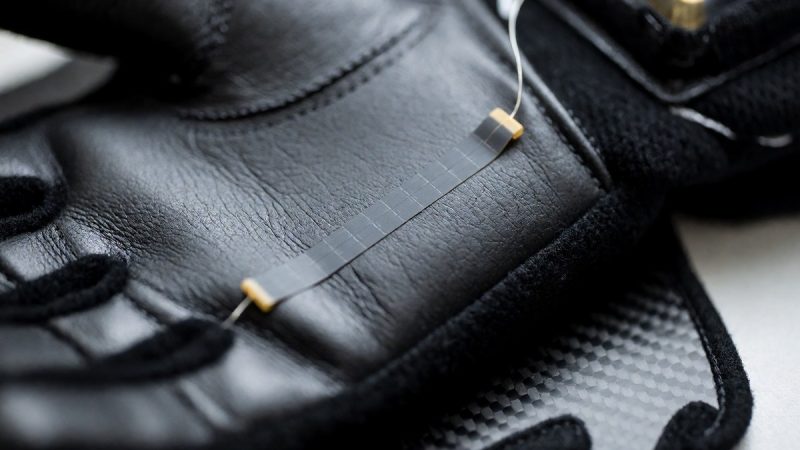
Modern drivers use biometric gloves that transmit pulse and blood oxygen levels to race control. These sensors provide doctors with critical information on a driver’s condition. The medical car also carries a large medical bag, a defibrillator, two fire extinguishers and a burn kit within its 632 litres of boot space to ensure the FIA medical team can respond effectively to an emergency. The interior of the medical car has two screens for live race footage. An additional screen reads live biometric data from the drivers’ gloves.
The safety car uses a specialized LED light-bar on a carbon fibre plinth. Bright orange lights on the outer edges illuminate when the car joins the track. A centrally positioned amber flashing light indicates the car is in position ahead of the leader. Two green lights illuminate once it is safe for the F1 cars to pass. The driver and co-driver use two dashboard screens to see live lap timing and track positioning. They also use a Marshalling System to see which colour flag the officials show on the track.
Safety car operational procedures
The safety car follows specific protocols to manage the race field. When the car is deployed, the cars line up behind it and lapped cars may be allowed to un-lap themselves. The clerk of the course can show a message that lapped cars may now overtake. This only applies to cars that were lapped at the time they crossed the line at the end of the lap they crossed the first safety car line for the second time.
Drivers must use the track at all times. A driver is judged to have left the track if no part of the car remains in contact with the track. If a driver moves back towards the racing line after defending a position off-line, they must leave at least one car width between their car and the edge of the track. You know the speed of these cars, but the medical team must match it. The safety car must be able to manage the pack to allow officials to handle any incident safely. The rear-facing camera on the light-bar feeds a live image to a mirror inside the cabin so the co-driver can monitor activity at the rear.