The economics of Williams’s 2026 Mercedes gearbox supply deal
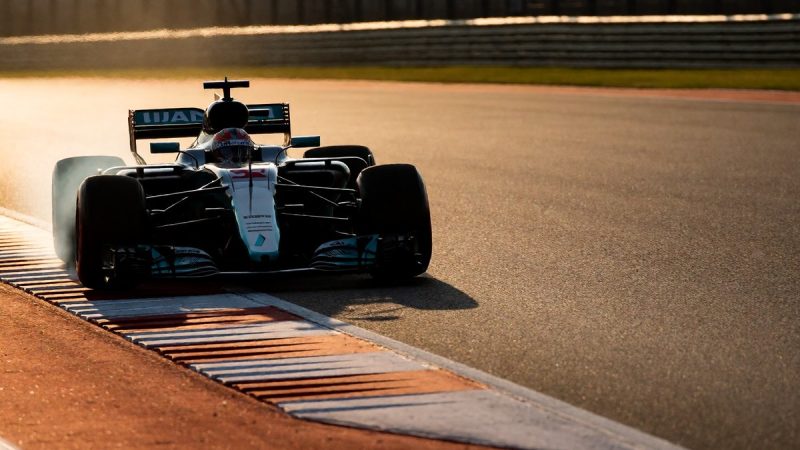
Mercedes faces commercial pressure to recover development costs through supply deals, with engine and gearbox packages currently costing approximately €20 million per year. Williams maintains its customer relationship through 2030 despite rising infrastructure costs and budget cap changes.

Williams revenue and the rebuild
Williams reported $324 million in revenue for its 2025 accounts, a 35.7 percent increase from the previous year. The team spent $41 million on the Grove factory redevelopment to replace outdated workshop layouts and install new hardware rigs and dynamic test beds. Dorilton Capital, which bought the team for $200 million from the Williams family in 2020, has injected $450 million through various tranches of capital since that acquisition. The total exposure for Dorilton sits at $650 million. Williams’ valuation reaches $2.7 billion, a significant jump from the $180 million value it held six years ago. This rebuilding phase follows years where a lack of investment held the squad back from rivals like Mercedes. Much of the revenue came from sponsorship, including new title sponsor Atlassian. Williams also earned $246.7 million through streams outside of F1 prize money in 2025.
The 2026 cost cap expansion
The F1 cost cap rose to $215 million in 2026. This limit covers car components, mechanics, engineers, and freight costs. It excludes driver salaries, the salaries of the three highest-paid staff, and marketing or travel costs. The power unit cost cap reached $190 million in 2026. This limit covers the manufacturing, supplying, and supporting of engines. The 2026 cap increase includes annual depreciation costs, which were previously part of a separate capital expenditure cap. For teams like Sauber, which becomes the Audi works team, a cost offset exists to handle high Swiss salaries. A 24-race season adds $5.4 million to the budget, as each extra race beyond 21 costs $1.8 million per race. This helps teams manage the growing calendar. The limit is designed to ensure long-term financial stability for all teams.
Mercedes supply and commercial reality
Mercedes boss Toto Wolff says manufacturers cannot be charitable with engine pricing. He notes that Mercedes loses substantial money on supply deals with partners like Williams, Force India, and Lotus. Because Mercedes spends heavily to develop competitive engines, they must recover those costs to remain viable. An engine and gearbox deal currently costs approximately €20 million per year. The FIA previously attempted to introduce a budget engine in the €6-7 million range, but Ferrari vetoed the proposal. Mercedes must focus on its own business case while participating in these supply deals. The manufacturer uses an elite junior driver system and complete technical authority to maintain its standing.
Aston Martin transmission costs
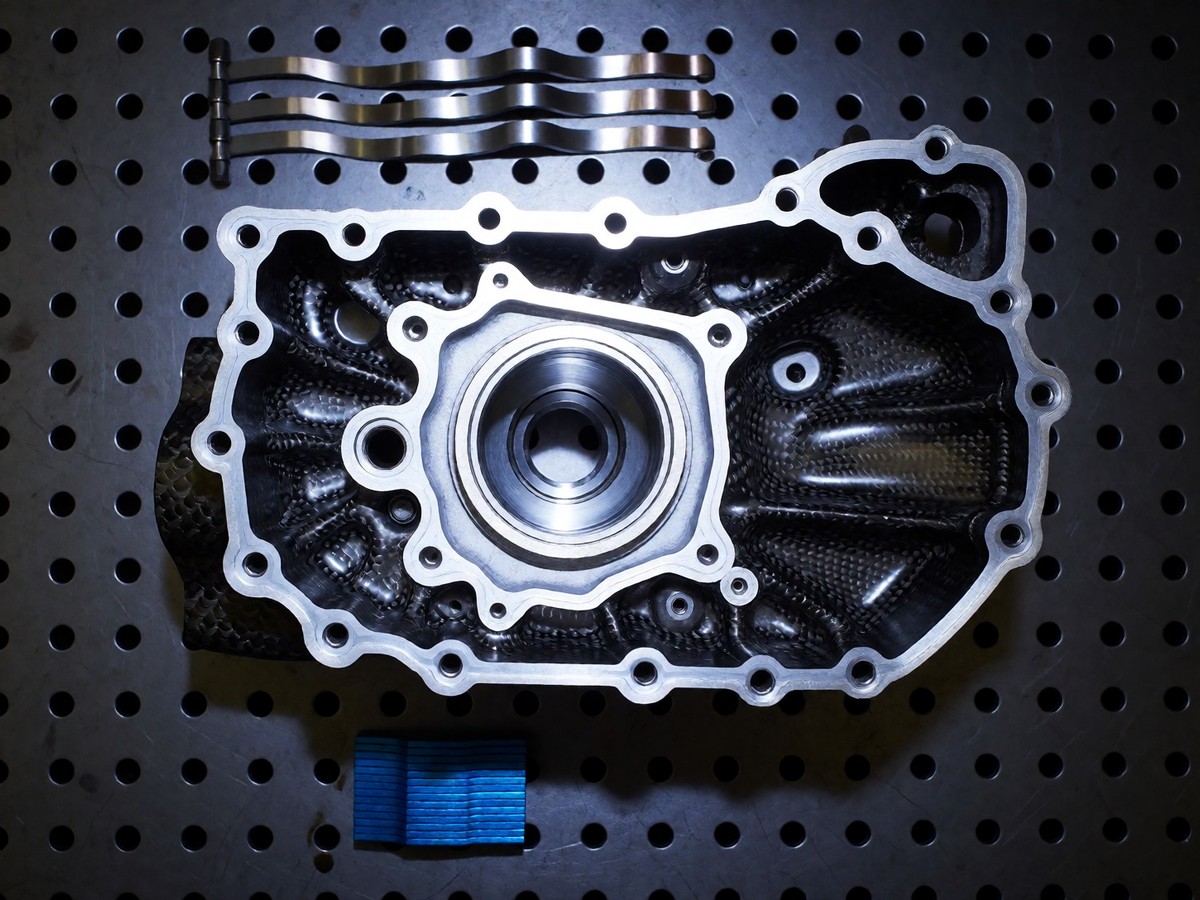
Aston Martin is designing its own transmission to prepare for a 2026 partnership with Honda. Team principal Mike Krack says the team invests between $8 million and $9 million every year into gearbox development. Each gearbox unit costs $350,000 to manufacture. Because teams can use eight gearboxes per season, the cost reaches at least $2.8 million. Luca Furbatto says the team faces stiff opposition to standardizing gearboxes. He argues the money spent on transmissions could be moved to aero development to help compress the grid.
| Component/Cost Item | Estimated Value |
|---|---|
| Annual Gearbox Development (Aston Martin) | $8,000,000 – $9,000,000 |
| Single Gearbox Unit Manufacturing | $350,000 |
| Seasonal Gearbox Allocation (8 units) | $2,800,000 |
| 2026 Chassis Cost Cap | $215,000,000 |
| 2026 Power Unit Cost Cap | $190,000,000 |
Technical rules for 2026 gearboxes
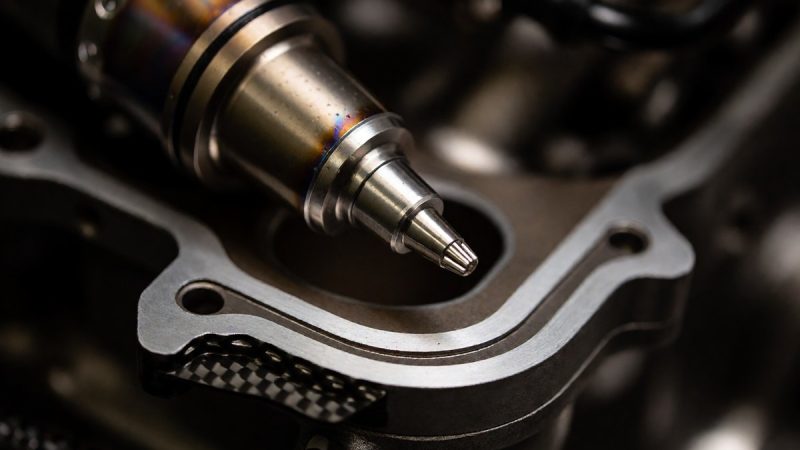
The 2026 regulations require the design of Driveline Components, Gear-Change Components, and Auxiliary Components to be homologated by each gearbox supplier. This must happen before the start of the season following the first season of supply. Gear ratios do not fall under this specific homologation rule. During the 2026 season, teams can change the nominated set of forward gear ratios once. For 2027 and onwards, teams can change gear ratio pairs or the final drive, but they cannot change both at the same time. This prevents teams from making massive, unapproved changes to the entire transmission system mid-season. Each team must nominate forward gear ratios to the FIA technical delegate at or before the first competition.
Mercedes customer strategy shift
Mercedes intends to reduce its number of customer teams from three to two after 2030. Williams remains a Mercedes customer through the 2030 season. McLaren also uses Mercedes power units until 2030. Alpine runs Mercedes from 2026 to 2030. Mercedes plans to reduce its number of customer teams from three to two, and while Williams remains a customer through 2030, the manufacturer will prioritize its own commercial reality as the sport enters a new era. You should recognize that the financial gap in F1 is closing, but the technical gap remains massive. Mercedes will likely focus on its own works program and its most important customer.
The motorsport transmission market
The Motorsport Transmission Market grows at a 9.4% CAGR between 2026 and 2033. Major companies like Xtrac, Ricardo, and Hewland Engineering compete for market share. Xtrac focuses on electronic transmission systems. Ricardo provides engineering services with an emphasis on efficiency. The market includes various types like sequential gearboxes and H-gearboxes. Companies like Beagle Engineering, Holinger Engineering, and ZF Friedrichshafen also compete in this space. Demand for high-quality systems is driven by technological advancements in materials and engineering.
Williams prize money and losses
Williams expects $107 million in prize money for 2026. This is based on its 5th place finish in 2025. The prize pot is now divided 11 ways because Cadillac joined the grid. In 2025, Williams received $76 million after finishing 9th in 2024. This 2024 figure included $72.6 million in base prize money and $4.7 million as a legacy for a 2015 third place finish. The team finished 2025 with a $33.25 million loss. This follows a $66 million loss in 2024. Will Williams find a way to manage its rising infrastructure costs while Mercedes scales back its customer support?