The Mercedes-Williams power unit partnership
Williams relies on Mercedes-Benz engine mapping to manage a 75kg/hr fuel flow limit and 50/50 power split under 2026 regulations. This collaboration aims to optimize thermal efficiency and energy deployment for high-speed tracks like Monza.

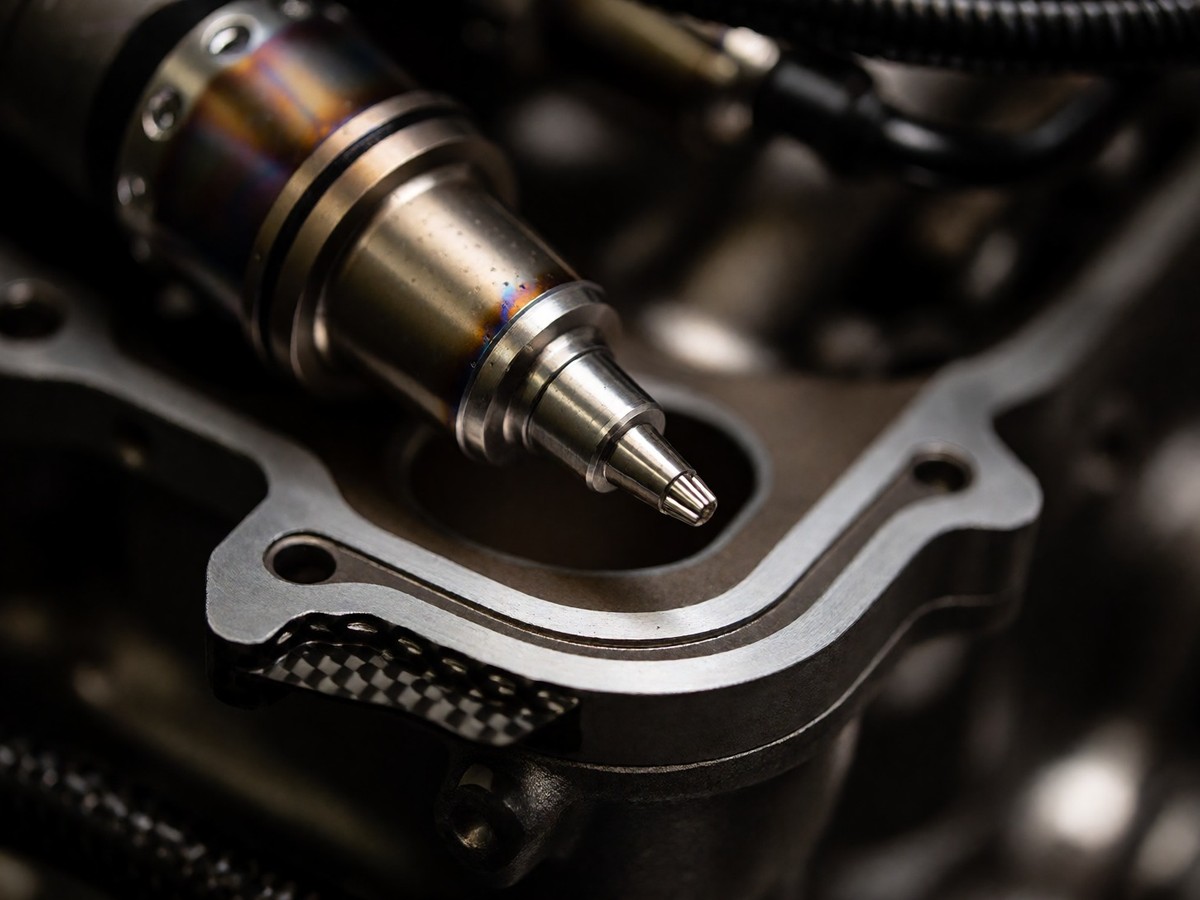
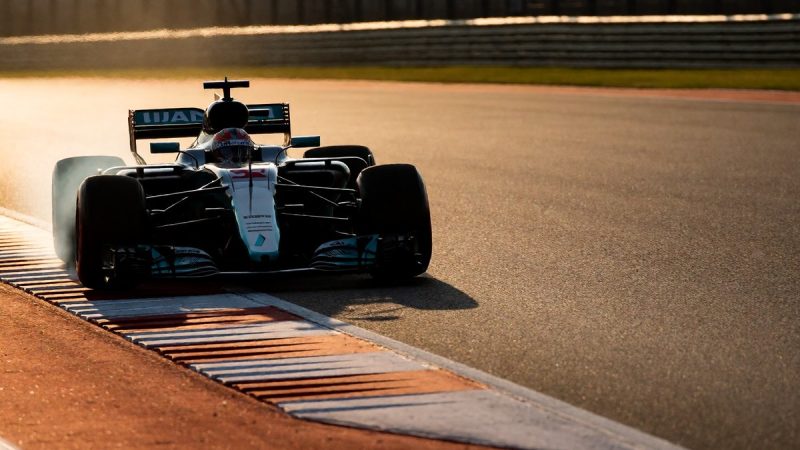
Mercedes-Benz remains the power unit supplier for Williams into the 2026 Formula 1 era. This agreement extends a relationship that began in 2014 at the start of the turbo-hybrid era. James Vowles, the Team Principal at Williams, understands the work Mercedes High Performance Powertrains performs at Brixworth. He previously spent over a decade at Mercedes, where he worked on the power units that dominated the first seven years of the hybrid turbo era. Mercedes provides the expertise and technology that align with the long-term aspirations of the Grove-based team. This arrangement allows Williams to focus on strengthening other areas of its operation while ensuring continuity with a trusted partner. Mercedes also gains data from six different cars, including those from McLaren, to assist in the development of new power units. The 2026 regulations shift the power balance to a 50/50 split between internal combustion and electrical power. This change requires a complete redesign of the power unit architecture.
The 2026 regulations also mandate the use of advanced sustainable fuels. These fuels consist of carbon capture, municipal waste, and non-food biomass. Because the engine must operate on these new substances, teams must focus on thermal efficiency and fuel formulation. Williams relies on the Mercedes-Benz offering to navigate these technical changes. Mercedes handles the development of the 1.6-liter V6 turbo engine and the electrical components. The partnership ensures that Williams receives the same level of support as other Mercedes customer teams. This stability helps the team as it works toward its goal of breaking into the top four on the grid.
Slipstream battles and yo-yo racing at Monza
The 2026 regulations changed the racing style at Monza, creating a phenomenon known as yo-yo racing. This happens when cars use the extra grunt from the battery to complete overtakes but then lose the ability to hold those positions as they run out of energy. The massive slipstream on the long straights at Monza boosts the effectiveness of the electric overtake mode. This effect allows slower cars to stay close to the cars in front, making it difficult for a lead driver to pull away. Max Verstappen expressed frustration with this dynamic, stating that he did not enjoy being driven past like a turtle. He found it difficult to defend his position even after overtaking other drivers because the battery depletion left him vulnerable.
The energy starvation at Monza makes defending nearly impossible for drivers in the lead. During the race, George Russell struggled to break away from Verstappen because the slipstream kept the Red Bull driver in contact. This prevented Russell from building a gap despite his performance. Kimi Antonelli won the race after starting 19th, showcasing how the energy deployment and slipstream can facilitate a massive comeback. He moved through the field by managing his energy and using the car’s placement to navigate traffic. The combination of the slipstream and the 2026 energy deployment needs makes the Italian Grand Prix a unique tactical challenge. You already know how much energy management affects race pace, but Monza pushes this to the extreme.
Fuel efficiency and the 75kg/hr limit
The move to 100% advanced sustainable fuel introduces a new level of complexity for engine mapping. F1 reduced the permitted fuel flow from 100kg per hour to approximately 75kg per hour for the 2026 season. This reduction forces engineers to focus on maximizing the work extracted from every unit of fuel. Because these advanced sustainable fuels have different volatility and burn speeds compared to fossil fuels, the engine mapping must be precise. Mercedes and its partner PETRONAS work to develop fuel components that maintain high performance despite the lower energy density.
The efficiency of the internal combustion engine (ICE) becomes a primary driver of race strategy. With a lower fuel flow, teams cannot simply rely on raw power to compensate for energy shortages. Instead, they must optimize the way the ICE interacts with the electrical components. The 50/50 power split means that if a team loses efficiency in the combustion process, the electrical system must compensate. This creates a heavy reliance on how well the engine manages the transition between fuel combustion and electrical deployment. Williams must coordinate its engine mapping with Mercedes to ensure the car stays competitive on high-speed tracks like Monza.
2026 Power Unit Specifications
| Component | 2025 Specification | 2026 Specification |
|---|---|---|
| Power Split (ICE/Electric) | 80:20 | 50:50 |
| Fuel Flow Limit | 100 kg/hr | 75 kg/hr |
| MGU-K Power Output | 120 kW | 350 kW |
| Energy Recovery per Lap | 2 Megajoules | 9 Megajoules |
| Fuel Type | 10% Ethanol Biofuel | 100% Advanced Sustainable |
Mercedes engine updates and the ADUO system
Mercedes utilizes the Additional Development and Update Opportunities (ADUO) system to stay competitive against the benchmark power unit. Red Bull Ford currently holds the position of the benchmark supplier for the 2026 regulations. Mercedes trails the performance of Red Bull Ford by 2%. This deficit allows Mercedes to introduce power unit upgrades during the 2026 campaign to close the gap. This mechanism provides a way for manufacturers to iterate on their designs throughout the season.
The ADUO system also affects customer teams like Williams and McLaren. Any upgraded power unit specification that Mercedes introduces must be made available to its customer teams. This ensures that the technical hierarchy remains tied to the engine manufacturer’s development progress. Ferrari also uses this system, introducing a 15 hp engine upgrade at Monza to counter the competition. The race for engine performance is a continuous cycle of development and implementation. Because the MGU-K produces 350 kilowatts of power while the internal combustion engine’s peak output dropped to 400 kilowatts, drivers must manage a delicate balance between electrical deployment and fuel flow throughout the entire race. Will the Mercedes engine updates eventually close the 2% gap enough to challenge Red Bull Ford for the championship?
Managing the MGU-K and energy deployment
The MGU-K serves as the most significant electrical component in the 2026 power unit. Its power output increased from 120 kilowatts to 350 kilowatts to compensate for the reduction in ICE power. This massive increase in electrical torque provides much stronger acceleration out of slow corners. However, the high demand for electricity means the battery drains quickly. Drivers must harvest approximately 9 megajoules of energy per lap to keep the system functioning. They achieve this through regenerative braking and by lifting and coasting at the end of straights.
Energy management dictates the tactical flow of the race. Drivers must decide when to use the 350kW boost and when to recharge the energy store. The Manual Override mode provides an extra 0.5MJ of electrical energy to a chasing driver when they remain within one second of the car ahead. This extra energy helps the chaser maintain a speed of 337km/h, while the leader’s power drops after 290km/h. Managing this deployment requires intense focus from both the driver and the race engineers. At tracks like Monza, the ability to deploy this energy effectively determines whether a driver can complete an overtake or defend a position.
Aerodynamics and the nimble car concept
The 2026 chassis follows the Nimble Car concept to improve agility and racing. Engineers reduced the wheelbase from 3600mm to 3400mm and narrowed the car width from 2000mm to 1900mm. The minimum weight also dropped to 770kg. These changes aim to reduce drag and make the cars more responsive in corners. Active aerodynamics replaces the old Drag Reduction System (DRS) to provide better control over the car’s profile.
The active aero system uses two distinct settings: Straight Mode and Corner Mode. In Corner Mode, the front and rear wing flaps remain closed at a steep angle to maximize downforce. This provides the grip necessary for cornering. In Straight Mode, the flaps flatten to reduce drag and increase top speed on the straights. This reduction in drag can reach 55%, which helps the car maintain speed without excessive battery drain. The transition between these modes happens as the car moves through different sections of the track. This aerodynamic flexibility helps mitigate the energy-starved conditions found at high-speed circuits.
Williams’s long-term development path
Williams continues to rebuild its operation to challenge the top teams. James Vowles leads the team toward its goal of breaking into the top four. The team experienced a setback in January when it missed testing in Barcelona because the car was not ready. This delay occurred as the team changed its processes and procedures to prepare for the 2026 regulations. Despite the missed testing, Williams completed significant mileage during the second round of testing in Bahrain.
The team’s performance improved throughout 2025, when it finished fifth in the constructors’ championship. Alexander Albon and Carlos Sainz Jr. drive the Williams FW48, which uses the Mercedes engine. The team focuses on long-term stability by maintaining its relationship with Mercedes-Benz. Vowles believes the team has the strength to close the gap to the leaders. The decision to stick with Mercedes provides the technical continuity necessary for the 2026 rules cycle. The Mercedes engine mapping provides Williams with a realistic path toward the front of the grid.