FIA 2026 plank wear laser inspection protocol for Monza legality
FIA laser distance sensors ensure F1 car planks do not fall below the 9mm thickness limit to prevent illegal aerodynamic advantages. This inspection process is critical at high-speed tracks like Monza where low-downforce setups increase the risk of floor contact.

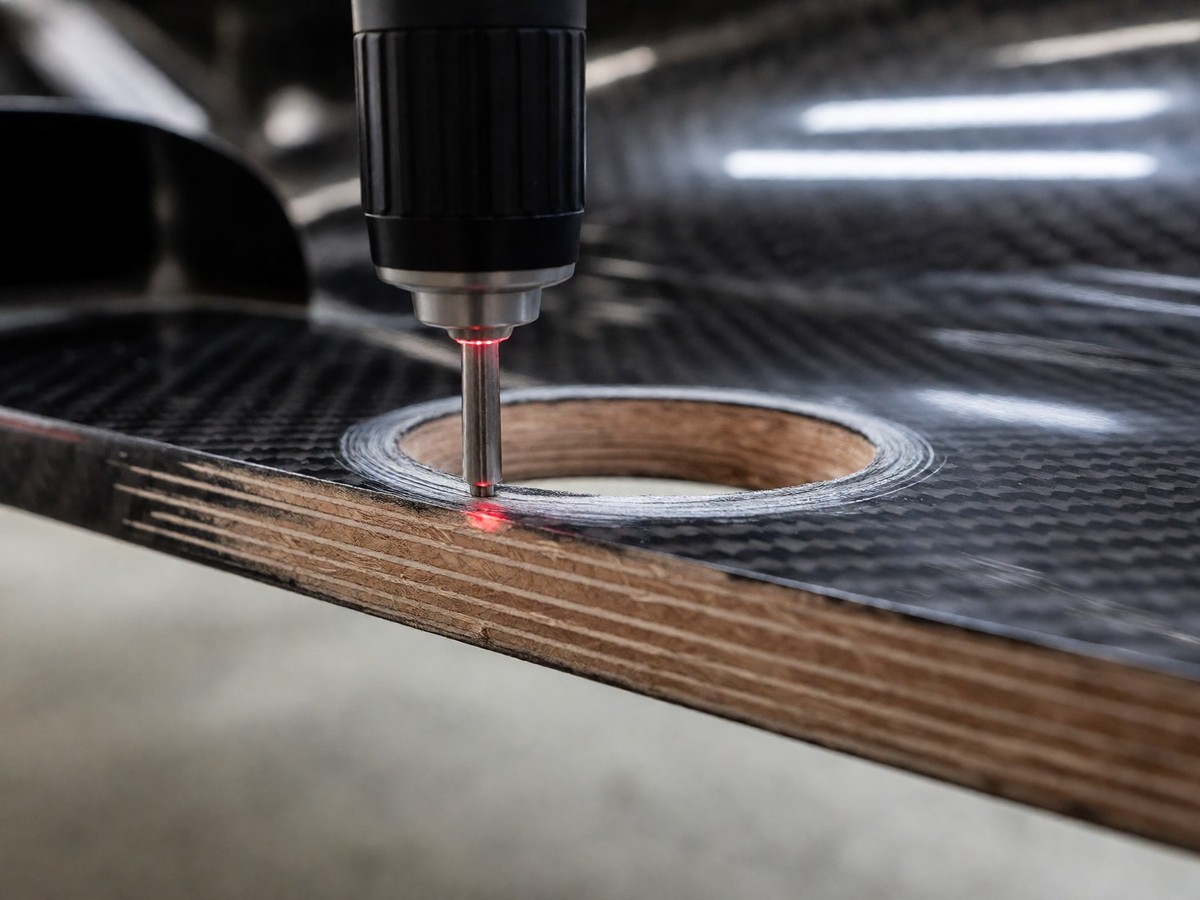
Monza is a circuit defined by long straights and high speeds that force teams to run low-downforce configurations to minimize drag. This setup places a premium on aerodynamic efficiency, but it also increases the risk of the car floor hitting the track surface. The physical contact between the car and the asphalt causes wear on the 10mm plywood veneer composite plank fixed to the bottom of the carbon monocoque. The FIA uses laser distance sensors to ensure the thickness of this plank does not fall below 9mm at the four designated measurement points. These four holes are located with two at the front and two at the rear of the plank. If the thickness is less than 9mm at any of these points, the driver faces automatic disqualification.
The high-speed nature of the Autodromo Nazionale Monza makes the management of this 1mm wear limit a constant struggle for engineers. Because the distance between the floor and the ground decreases, the aerodynamic load increases exponentially, which makes the car more efficient but increases the risk of the floor hitting the track and wearing the 10mm plywood veneer composite plank. Teams attempt to manage this extremely fine margin by tuning suspension stiffness and managing the aerodynamic platform. The FIA enforces these limits strictly. Any error in setup results in a total loss of race results. You already know how a single millimeter of extra downforce changes everything at the Temple of Speed.
The mechanics of laser thickness measurement
The inspection process involves advanced non-contact technologies to check the integrity of the skid block. Laser distance sensors are a primary tool for this task because they offer high-resolution measurements in the micrometers or nanometers range. These sensors emit a focused laser beam onto the surface of the measured material. The light then reflects back to the sensor to calculate the thickness based on the time-of-flight principle or the triangulation method. This precision is necessary because a tiny deviation indicates that the car ran at a lower ride height than permitted to maximize downforce.
Engineers also rely on other non-contact methods to ensure the plank remains within the legal limits. Ultrasonic thickness measurement uses high-frequency sound waves to calculate thickness by measuring the time-of-flight between reflected echoes. These gauges are useful for cured composite laminates, but they require a coupling media like water or gel. Millimeter wave technology, such as the M-Ray platform, uses electromagnetic waves between 80 and 300 GHz to provide continuous, full-width coverage. These systems are useful for in-line production, but the FIA uses specialized tools to check the specific measurement holes on the F1 cars.
| Measurement Method | Principle | Precision Range |
|---|---|---|
| Laser Distance Sensors | Time-of-flight or Triangulation | Micrometers to nanometers |
| Ultrasonic Gauges | High-frequency sound waves | High |
| Millimeter Wave (M-Ray) | Electromagnetic waves | Process-grade |
Aerodynamic trade-offs and the 9mm limit
The relationship between ride height and downforce is extremely sensitive. Lowering the ride height increases the speed of airflow in the Venturi tunnels, which creates a greater vacuum and increases downforce. Teams attempt to run as close to the 9mm limit as possible to maximize this performance. This approach seals the Venturi tunnels more effectively, providing an illicit aerodynamic advantage. However, the inevitable contact with the track surface causes the plank to wear down.
The 1mm wear limit represents the maximum amount a team can exploit to gain an advantage. If the plank thickness is less than 9mm at any of the four designated measurement holes, the disqualification is unavoidable. This rigidity exists because excessive wear indicates the car travelled at a lower ride height than permitted for a significant time. The FIA’s 2026 standardization targets these underfloor components to ensure a level playing field. This includes addressing areas where teams use flexible planks or unauthorized skids to circumvent the rules.
The 2026 standardization and the Red Bull loophole
The FIA aims to simplify the underfloor components through the 2026 regulations. This standardization targets the flexibility of the plank and the skids around the thickness measurement holes. Previously, Red Bull alerted the FIA to a loophole where teams used fastening screws at the rear to provide extra cushioning. This allowed teams to use the plank more aggressively without exceeding the wear limit. The FIA now tightens stiffness requirements to prevent this.
Some teams also engineered the mounting of the plank to allow a cushioning effect. This allowed the plank to deflect more than the permitted 2mm, which provided an aerodynamic advantage. The FIA banned the use of protective plates over skid blocks to prevent teams from circumventing the rules. Ferrari, Mercedes, and Haas were among the teams that used such plates. The 2026 rules address areas that the current regulations cannot simplify. The suddenness of these changes often causes friction among the teams. Will the standardization of underfloor components finally stop the development of flexible floor parts?
Historical non-compliance and disqualifications
Technical non-conformity regarding the plank results in immediate disqualification. The FIA enforces these limits strictly because the aerodynamic advantages are too great to ignore. In October 2023 at the United States Grand Prix, Lewis Hamilton and Charles Leclerc both faced disqualification after post-race scrutineering showed their planks exceeded the permitted wear limit. These results were a direct consequence of the cars running too low to the ground.
Lando Norris also faced scrutiny during the 2025 Las Vegas Grand Prix. At that event, technical stewards found the McLaren plank thickness was 8.88mm at a measurement point. This was 0.12mm below the 9mm minimum. Such tiny deviations indicate the car ran at a lower ride height than permitted to maximize downforce. The 1mm wear limit is a hard boundary that teams cannot cross without losing their results.
Vertical oscillations and driver health
The technical rules also address the physical impact of the car’s proximity to the track. Bouncing causes significant driver discomfort and back pain. This phenomenon involves high-frequency oscillations where the floor hits the track. Porpoising is an aerodynamic induced bouncing, but mechanical bouncing also occurs from track bumps and stiff suspension. Stiff springs are necessary to maintain the attitudinal control of the aerodynamic platform.
The FIA uses accelerometer data from the mandatory earpieces worn by every driver to ensure drivers do not experience dangerous levels of vertical movement caused by high-frequency oscillations during the race. If a driver experiences 10G oscillations, the force on the body is immense. The FIA has updated the technical directive with a maximum oscillation metric to force teams to operate below a certain threshold of movement. If a car exceeds this threshold, the FIA can demand changes to the car.
Material properties and fire safety
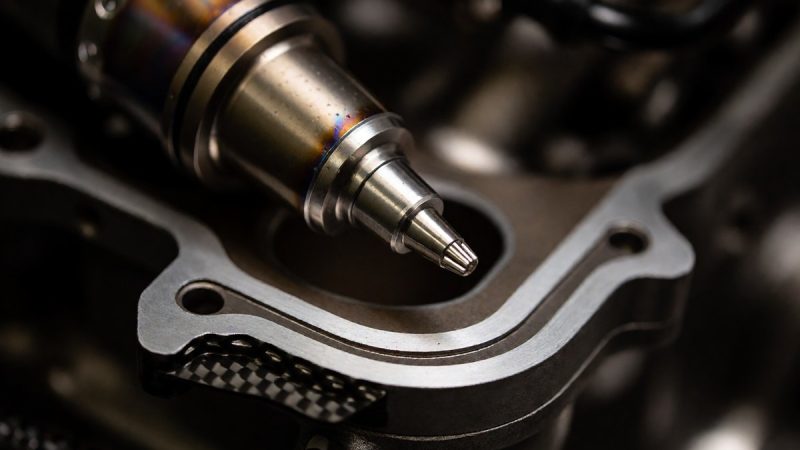
Titanium skid plates produce bright, hot sparks when the car scrapes the asphalt. These sparks can ignite dry grass or trackside debris. The FIA has acknowledged this fire risk. While titanium is efficient and light, the FIA requires teams to develop steel alternatives as a backup. This backup is for use in selected races to mitigate fire risks.
The difference in thermal properties between titanium and steel is significant. Titanium sparks are brighter and hotter than steel sparks. They also retain heat longer, which increases the risk of ignition. The FIA has requested that teams have these steel alternatives ready for immediate deployment if conditions require it. This move towards steel is a safety measure rather than a performance change.
The precision of the measurement process
The measurement process involves the FIA checking four designated holes in the plank. Two holes are at the front and two are at the rear. The stewards measure the remaining thickness of the plank at the perimeter of these holes. This requires absolute precision to distinguish between legal wear and illegal proximity to the ground.
Laser distance sensors provide the necessary resolution. These sensors emit a focused laser beam onto the surface of the measured material. The light then reflects back to the sensor to calculate the thickness based on the time-of-flight principle or the triangulation method. The FIA uses these tools to ensure that the 1mm wear limit is respected. Engineers must find a balance between the maximum downforce and the physical limits of the plank.