Max Verstappen criticizes F1 racing quality after Las Vegas Grand Prix
Max Verstappen and Lando Norris criticized the artificial nature of the Las Vegas Grand Prix, where 352 overtakes occurred. Drivers noted that extreme slipstream effects and battery management rules made the racing feel more like a video game than traditional Formula 1.

Frenetic racing splits the grid
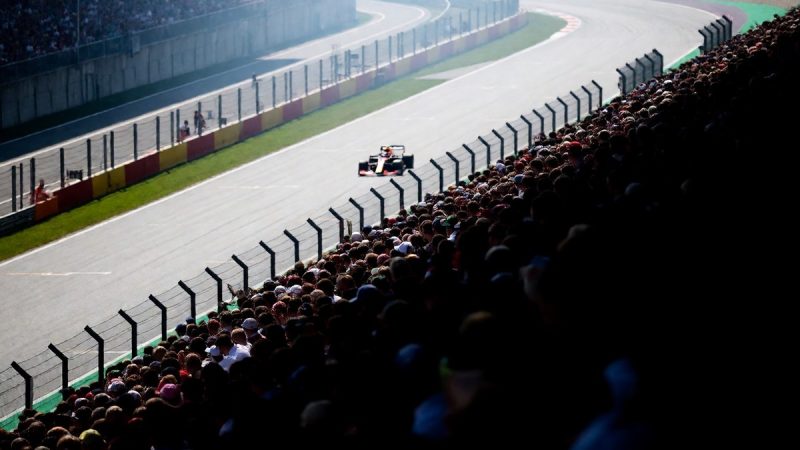
F1 figures show 352 overtakes and 35 changes for the lead occurred at the Las Vegas Grand Prix. Max Verstappen, the race winner, criticized the 2026 power unit rules during his post-race press conference. He compared the racing to a video game. "I remember winning one like this when I was playing Mario Kart," Verstappen said. He noted that dropping back allows for drafts and a catch-up effect, which he said is why he felt he was just cruising even while he repeatedly lost the lead during the race. Verstappen told Canal+ that the racing "isn’t Formula 1 the way that we are racing." He stated that while it looks great on TV, it does not reflect how racing should be. He explained to the media that his "racer heart" was not satisfied, even though the show looked good from the outside. He felt he was just trying to press the battery whenever it was correct or defend. Alex Albon, who watched the race as a spectator after his Williams suffered terminal brake damage from overheating, described the race as having "peloton vibes." Albon said the race felt like a Formula E event after the first four laps. He suggested that F1 could use a mix of races, including those that feel like a "baton race" where the slipstream is powerful, rather than just having tracks where pure pace wins or tracks like Monaco where nothing happens.
Technical factors and artificial passing
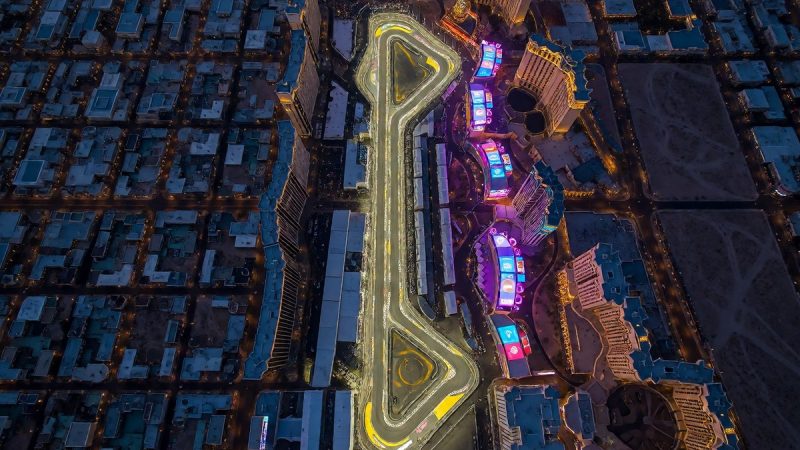
Drivers attributed the frequent position changes to specific technical conditions on the Las Vegas Strip Circuit.
| Feature | Impact on Racing |
|---|---|
| Overtake Mode | Provides extra power when within one second of a lead car |
| Slipstream Effect | Creates extreme speed differentials on long straights |
| Energy Harvesting | Reduced limits in 2026 affect closing speeds |
Ollie Bearman explained that the slipstream effect is incredibly big, making it difficult to stay alone on track without losing time. He said he spent time sandwiched between two Audis and had to stay behind to avoid losing too much race time. Bearman said he saw drivers in qualifying coming out together like go-karts to take the slipstream. He said it is disappointing to do these types of races because even when you lose the slipstream, you lose so much time every lap just from being alone on track. Sergio Perez, who watched the race on a laptop by the site of his Turn 14 crash, called the racing "very artificial." A clash with rookie Rafael Camara eliminated Perez, and he criticized an overtake mode that he felt was too powerful. This led to him suddenly closing a gap of around a second to Camara, who did not realize Perez was behind him. This incident resulted in a five-place grid penalty for Qatar because stewards judged his front axle was not alongside Camara’s mirror. Alex Albon noted that for the casual viewer, the race was a great spectacle.
Energy management limits the racing
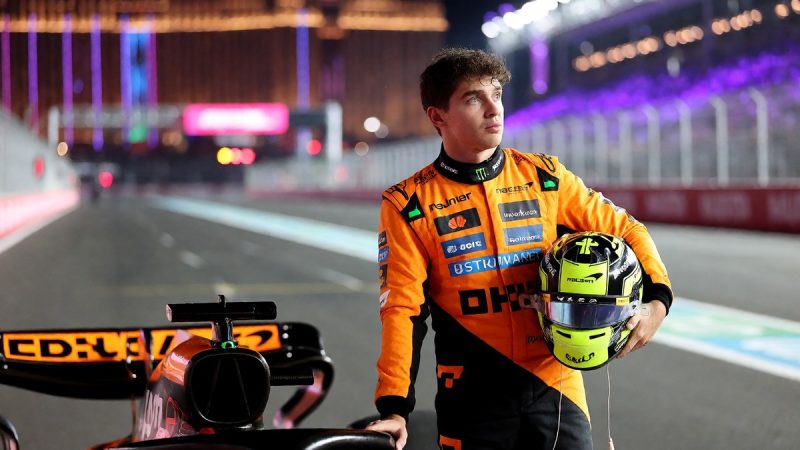
Lando Norris, who finished second, argued that the high volume of passing moves did not always represent genuine racing. He noted that some drivers had a closing speed of 20 to 30 kilometres per hour because they simply pressed boost. "Some of the overtakes weren’t overtakes," Norris said. Lando Norris noted that the current rules can prevent drivers from gaining the benefit of a good exit from a corner, especially when they must manage battery deployment and regeneration. He suggested the racing would be even better if drivers could push flat out without worrying about regen and battery. He added that the racing was still good because drivers are still fighting for position. This technical issue cost Kimi Antonelli a podium position when a brief lift on the throttle caused a power unit deployment error. Antonelli slowed at the start of the final lap, which left him defenceless against the McLarens. While Carlos Sainz finished eighth and said everyone enjoyed themselves, and Lewis Hamilton called it a "really great race," Norris looked toward the 2030 V8 era for better competition. He said that if the drivers did not have the battery issues, the racing would be even better. "Imagine in 2030. Oh my God, that’s going to be the best race you’ve ever seen," Norris said.