The economics of Mercedes’s 2026 Petronas sponsorship renegotiation
Microsoft signed a $60 million per season deal with Mercedes-AMG Petronas F1 Team starting in 2026 to integrate Azure and AI tools. This partnership arrives as teams navigate a $215 million annual cost cap and shifting power unit regulations.

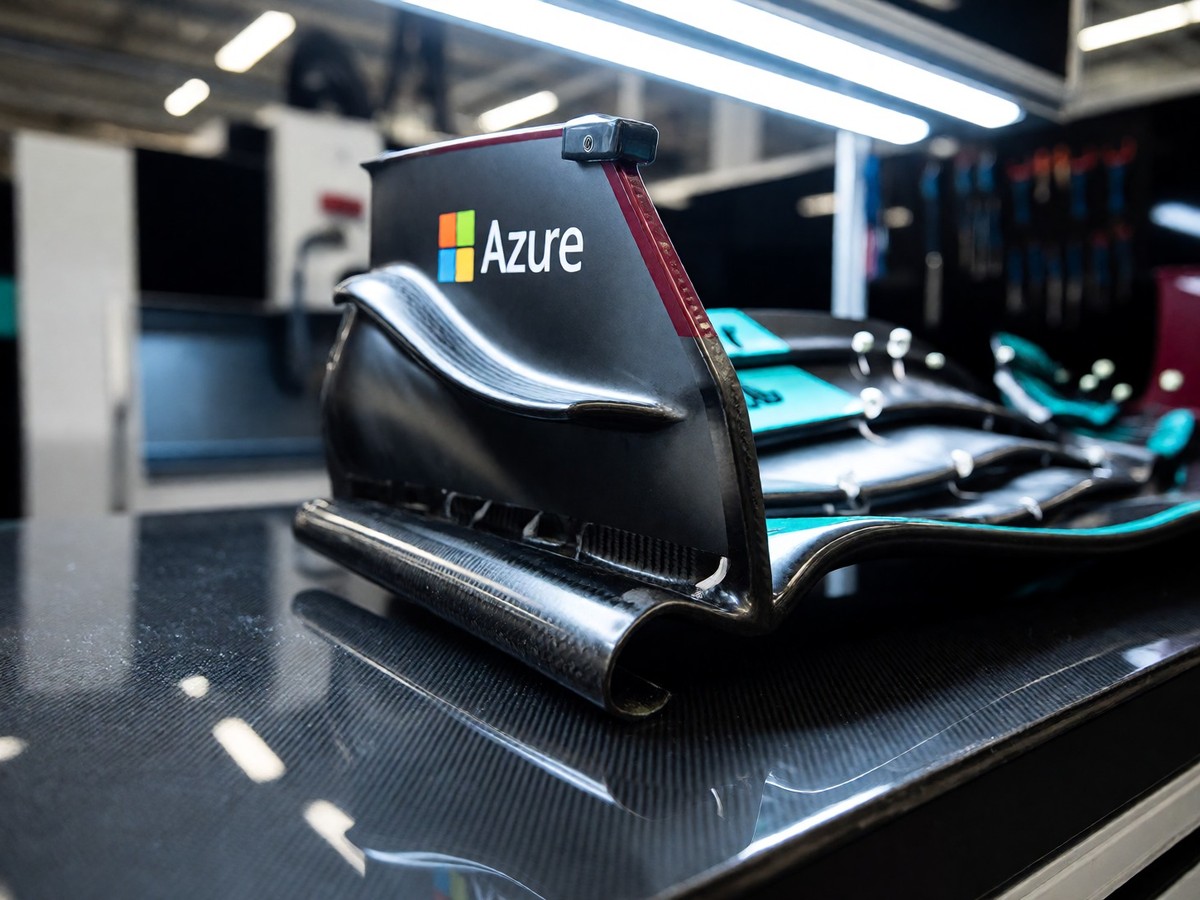
Microsoft signed a multi-year deal with Mercedes-AMG Petronas F1 Team. The agreement is worth approximately $60 million per season starting in 2026. This partnership replaces the airbox slot that Ineos previously occupied. Microsoft Azure and Microsoft AI tools now operate across the Mercedes factory, simulator, and trackside environments. Every Mercedes car runs about 400 sensors that pump out 1.1 million data points every second, which provides a massive stream of information for the Microsoft Azure platform to process. The Microsoft deal is part of a larger trend where technology companies pay huge sums to use Formula 1 teams as a real-world testing ground for their most advanced artificial intelligence and cloud computing tools. You know the basics of how a technical partnership works in high-performance engineering, so the Microsoft deal reflects a shift toward software-driven racing dominance.
Mercedes team valuation and ownership
Toto Wolff sold 15% of his holdings in the team. This transaction represents 5% of the Brackley-based squad. The deal gave CrowdStrike CEO George Kurtz a stake in the team. This transaction valued the team at £4.6 billion. Mercedes remains one of the most profitable sports teams in the world. Revenue and cash flows from the team allow it to maintain a high level of investment. The team continues to operate as a core activity for Daimler. Mercedes builds both road cars and race cars. The top management at Mercedes sees Formula 1 as a co-exercise where technology transfer happens between the road and the track.
The 2026 team cost cap
The 2026 team cost cap is $215 million for a season with 24 races or fewer. This figure is adjusted for Indexation to account for inflation. The limit includes chassis development, manufacturing, engineering, fabrication, and assembly. It also includes team personnel costs such as engineers, mechanics, and technicians. Research and development costs like wind tunnel use and simulation are included in the cap. Facilities and operations such as the factory, equipment, and utilities are also included. The cap excludes driver salaries and the pay for the three highest-earning staff members. It also excludes sustainability initiatives and costs for health, safety, and catering.
| Category | 2026 Limit or Value |
|---|---|
| Team Cost Cap (for 24 races or fewer) | $215,000,000 |
| Power Unit Cost Cap | $130,000,000 |
| Power Unit Max Supply Price | 17,000,000 euros |
| Tech Sector F1 Sponsorship Spend | $565,000,000 |
The regulations aim to ensure long-term financial sustainability and competitive balance. The current limit is a neutral adjustment because it incorporates previously separate expenses. These expenses include annual depreciation costs and the full integration of personnel time allocation for F1 projects. The FIA introduced the Additional Development and Upgrade Opportunities mechanism to help manufacturers trailing in performance. This mechanism allows them to use specific financial and technical allowances to close the gap. The FIA enforcement remains inconsistent, as seen when Red Bull Racing received a $7 million fine in 2023 for minor cost cap breaches.
Power unit financial limits
The power unit cost cap is $130 million from the 2026 reporting period onward, adjusted for Indexation. This is an increase from the $95 million limit used for the 2024 and 2025 reporting periods. The maximum supply price for the defined supply perimeter is 17 million euros, adjusted for Indexation. Manufacturers must manage these costs while developing new hardware. The 2026 power unit concept eliminates the MGU H. It increases the role of electrification to roughly 50% of the total output. The MGU K rises to 350 kW. These changes force new electrical architecture decisions.
Engineers must deal with bigger thermal loads and heavier wiring considerations. These technical shifts create new testing burdens and higher costs. The cap does not account for why a part costs more. It only accounts for the total cost. Teams find ways to manage these expenses through timing and contract design. A tenth of a second on track starts as a line item in a supplier quote. This quote travels through the cost cap office and lands in the garage as a compromise. Can the team maintain its technical edge while managing the increased complexity of these high-cost digital integrations?
The technology sponsorship market
Formula 1 sponsorship spend exceeds $3 billion in 2026. This is a 15% increase compared to the previous year. The technology sector leads the market with $565 million in spending. Hewlett Packard Enterprise and Oracle account for 24% of this vertical. AI sponsorship deals have grown quickly. Eight separate AI brands signed partnerships in the last six months. These brands include Meta AI with Mercedes and Anthropic with Williams. Anthropic signed a multi-year deal with Williams to make Claude the Official Thinking Partner.
Claude is integrated across the Williams organization for race strategy, car development, and operations. This deal provides Anthropic with enterprise credibility. Williams gains an AI tool. Mercedes uses Meta AI so fans can analyze strategy and remix race images. The sponsor becomes a feature in the fan experience rather than an interruption. The modern activation is measured in email addresses, app installs, and loyalty sign-ups. These are assets a brand keeps long after the race ends.
Comparing title sponsorship values
Title sponsorship remains the most valuable commercial asset in Formula 1. Total spend on title slots is expected to exceed $500 million this season. Different teams secure different values based on their technical and commercial needs. Oracle’s title partnership with Red Bull Racing is reported at $100 million to $110 million per year. Oracle Cloud Infrastructure hosts the data architecture for Red Bull. Oracle also provides a generative-AI system for trackside use.
Mastercard is the title partner for McLaren. Estimates for the Mastercard deal range from $65 million to $100 million per year. The Mastercard deal focuses on co-branded loyalty work and fan-commerce activations. Microsoft is a partner for Mercedes with a deal worth approximately $60 million per season. This deal is much smaller than the Oracle or Mastercard agreements. Mercedes also has partners like Snapdragon, TeamViewer, Solera, and Hewlett Packard Enterprise. Mercedes has other partners including adidas, UBS, Meta AI, Nu, WhatsApp, SAP, G42, Signify, Marriott Bonvoy, AMD, Einnell, IWC Schaffhausen, Akkodis, Sherwin-Williams, Nasdaq, and PepsiCo. Mercedes supplies include Endless, Pirelli, and Mous.
Lewis Hamilton and the Mercedes engine
Lewis Hamilton joined Ferrari in 2025 after 12 seasons with Mercedes. His base salary at Ferrari is £39 million. Bonuses can increase his total compensation to £83 million. This is less than the guaranteed sum he had at Mercedes. Paddock engineers expect Mercedes to have the most powerful internal combustion engine for the 2026 regulations. The power units have been on the dyno for a long time. Engineers in the paddock discuss the performance numbers compared to other manufacturers.
The 2026 power unit regulations make electrification a primary battleground. The increased role of electricity means software and energy management are essential. Mercedes must nail the battery component to succeed. If Mercedes produces the class of the field engine, Hamilton’s move to Ferrari may be a mistake. The new regulations provide a catch-up rule for manufacturers that are lagging. This rule allows for more development opportunities for trailing teams. This prevents the advantage of early pace-setters from being permanent.
Revenue and performance dependency
An F1 team is a performance business. Teams turn money into lap time and reliability. A strong commercial year supports expansion in partnership activation and technical programs. A tighter year slows recruitment and delays replacement hires. Revenue flows from FOM prize money, sponsorship, and merchandise. The Concorde Agreement sets the terms for revenue sharing between Formula 1, the FIA, and the teams.
FOM money provides a financial base for the teams. It helps pay for staff, machines, and software. This funding goes to aerodynamics, design, headcount planning, and simulation. Championship position affects the amount of money a team receives. A gain in the Constructors’ table changes what a team can afford to build. Mercedes manages its financial reality through a combination of high-value tech deals and efficient resource deployment. The team uses Mercedes Benz Applied Science to work for high performance clients. This helps Mercedes deploy personnel in new areas and keep the resource within the company. Mercedes intends to stay in Formula 1 for the foreseeable future. The top management sees Formula 1 as a core activity for the brand.