The mechanics of the Ferrari SF-26 suspension reversal
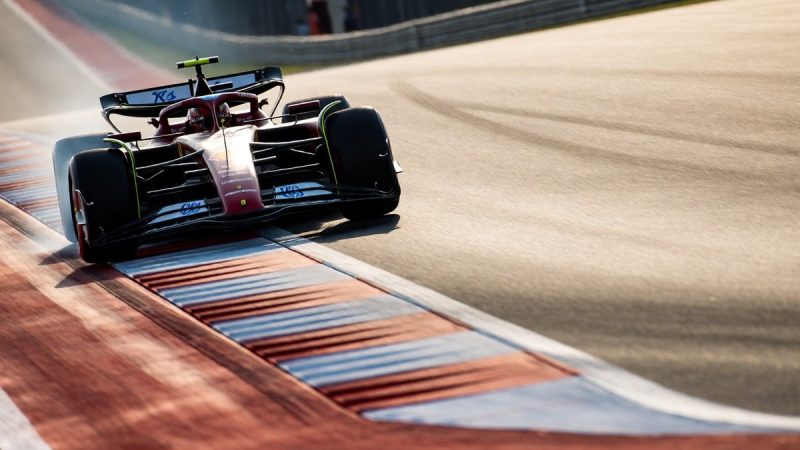
Ferrari is transitioning from a pull-rod to a push-rod front suspension for the SF-26 to better suit Lewis Hamilton's driving style. This technical shift aims to improve aerodynamic efficiency and weight distribution under the new 2026 Formula 1 regulations.

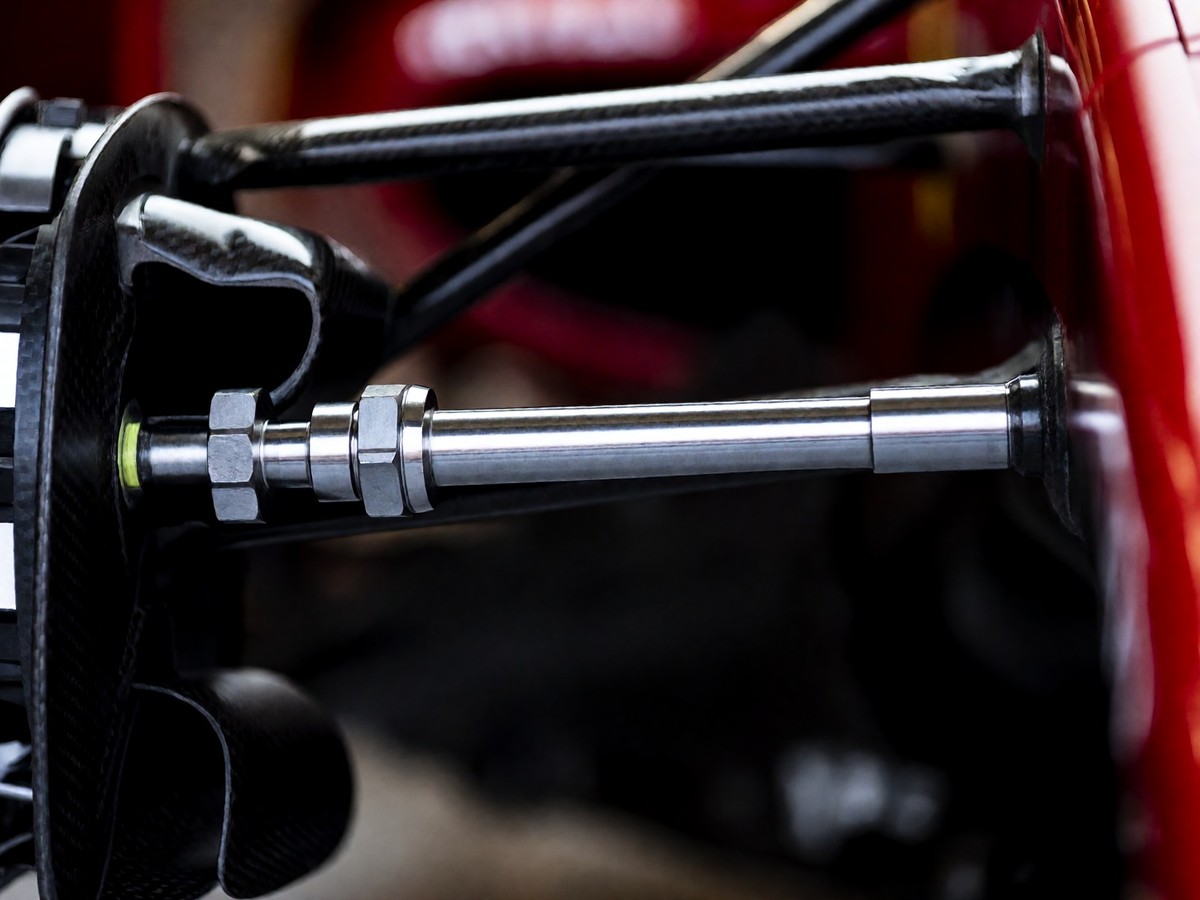
Ferrari abandoned the front pull-rod configuration used on the SF-25 to adopt a push-rod layout for the SF-26. This technical decision follows the leadership change from Enrico Cardile to Loic Serra. Serra, who previously worked with Lewis Hamilton at Mercedes, leads the design for the 2026 car. The team views this move as a matter of conceptual consistency rather than a reaction to risk. This shift places Ferrari in alignment with Red Bull, McLaren, and Mercedes, which all use push-rod front suspension. The SF-26 design aims to provide a solid technical foundation for the new era of Formula 1 regulations.
The shift from the SF-25 to the SF-26 also accounts for the different driving requirements of the Ferrari drivers. The SF-25 development focused on the needs of Charles Leclerc, who achieved all seven Ferrari podiums last year. Because Lewis Hamilton is a late breaker, the SF-25 did not perform in the way he required. The SF-26 design specifically targets the requirements of Hamilton. This change in suspension philosophy is part of a broader effort to address the limitations that plagued the SF-25.
How pull-rod and push-rod systems function
A push-rod or pull-rod is the suspension member that connects the outboard wheel assembly to the inboard suspension system. In a push-rod configuration, the inboard rocker assembly sits high on the chassis or gearbox, while the outboard end sits low on the wheel assembly. When the wheel reacts to a bump, it creates a push movement that rotates the torsion bar via a rocker. The pull-rod inverts this setup, mounting low on the chassis but high on the wheel assembly to create a pull movement.
The pull-rod design places the springs, dampers, and torsion bars lower in the chassis. This placement reduces the center of gravity for the complete system. A lower center of gravity helps offset the mass of the driver and the chassis. The pull-rod also creates a triangle with the wishbone to produce displacement. This geometric arrangement works the rocker efficiently as the wheel rises. The pull-rod operates through tensile stress, while the push-rod works under compressive stress.
The pull-rod mounting is nearly horizontal because the chassis sits approximately 30cm above the ground. This position means the rod has a small movement relative to the rocker when the wheel rises. However, the angle between the wishbone and the pull-rod creates the displacement necessary for operation. This geometry is similar to the push-rod systems used for decades.
Aerodynamic effects of suspension geometry
The selection of suspension geometry impacts the airflow around the car. In the 2026 season, active aerodynamics require teams to manage high downforce in corners and minimum drag on straights. The pull-rod design allows the rod to be thinner, which reduces the blockage of airflow. Because the rod is more in harmony with the airflow coming off the front wing, it can help direct air more effectively toward the floor and sidepod inlets.
The push-rod arrangement provides more space to optimize the trailing edge of the underfloor and the start of the diffuser. This extra room is similar to the conditions that allowed for the development of the double diffuser. For the 2026 cars, the ability to control the wake coming off the trailing edge of the front wing is difficult. The push-rod design allows for more freedom in how engineers manage this wake.
The SF-26 also uses a significantly lower upper arm than the SF-25. This modification changes the aerodynamic wake around the front wheels. By lowering the upper arm, Ferrari can reduce the blockage in front of the sidepod inlets. This change also helps manage airflow toward the leading edge of the floor and the tire wake. Additionally, the relocation of the steering assembly to a more rearward position improves packaging and airflow efficiency.
Weight distribution and center of gravity
The pull-rod configuration provides an advantage in weight distribution by placing internal suspension elements in a lower position. This lowers the barycenter of the car, which influences how the car behaves in corners. The pull-rod also lowers the center of gravity by placing the springs and dampers lower than the push-rod alternatives. This helps offset the higher center of gravity of the chassis and the driver.
The push-rod design is not without its own weight implications. Using a pull-rod requires the top wishbone to be stronger to handle the higher forces. This increased strength requires more mass, which can negate the weight advantage of the lower springs and dampers. The push-rod configuration keeps the mass higher, which is a disadvantage for the center of gravity.
At the rear of the car, the center of gravity of the engine and gearbox is already low. Raising the center of gravity slightly at the rear via a push-rod layout provides more space for the diffuser. The 2026 regulations involve smaller diffusers, so the push-rod provides better room for aerodynamic optimization. The decision for the SF-26 involves a trade-off between a lower center of gravity and the mass of the wishbone components.
Handling tuning and steering assembly changes
You already know that F1 technical shifts rarely happen without significant aerodynamic consequences. Engineers use the suspension mounting points to tune how the car handles in different corner speeds. If a team moves the push-rod mounting point relative to the fulcrum of the wishbone, they transfer load across the car during steering. This allows the team to lighten the front wheel and tune the car for both high- and low-speed corners.
The pull-rod setup has a narrower tuning window and is more difficult to access for setup changes. Because the components sit low in the chassis, mechanics find it harder to make adjustments during a race weekend. The push-rod configuration is easier to access and simpler to work on. This ease of access allows for faster setup changes when timing is critical.
The SF-26 also includes a relocated steering assembly. Ferrari shifted the steering components rearward to improve packaging and cleaner airflow. This movement helps the team manage the airflow around the front suspension elements. The relocation also assists with weight distribution and packaging for the new push-rod layout. This move suggests that Ferrari prioritizes aerodynamic efficiency over traditional mechanical packaging constraints.
Comparison of 2026 suspension configurations
Different teams have chosen different paths for the 2026 regulations. Most teams opted for push-rod suspension at both the front and rear, but Cadillac and Alpine both use pull-rod configurations.
| Team | Front Suspension | Rear Suspension |
|---|---|---|
| Mercedes-AMG Petronas | Push-rod | Push-rod |
| Scuderia Ferrari | Push-rod | Push-rod |
| McLaren Racing | Push-rod | Push-rod |
| Red Bull | Push-rod | Push-rod |
| Racing Bulls | Push-rod | Push-rod |
| Haas | Push-rod | Push-rod |
| Cadillac | Pull-rod | Pull-rod |
| Alpine | Pull-rod | Pull-rod |
Haas uses the Ferrari suspension layout because of its technical partnership. Haas does not use the new front suspension design because changing too many components would exceed its resources. While Red Bull and McLaren used pull-rod front suspension to dominate the ground-effect era, most teams have now reverted to push-rod. The decision of Cadillac and Alpine to use pull-rod highlights that there is still room for interpretation within the rules.
Development strategy and testing phases
Ferrari follows a two-stage development strategy for the SF-26. The initial specification serves as a test platform during the closed-door sessions in Barcelona in January. These runs focus on validating packaging, fluid dynamics, and electronic management systems. The team does not prioritize outright performance during these Barcelona sessions.
The second specification will emerge during the Bahrain test sessions. This version focuses on the critical aerodynamic areas of the car. This progressive approach allows Ferrari to implement lessons from the first runs while managing technical unknowns. This strategy differs from Mercedes, which takes its cars to dynamic benches earlier to verify the reliability of the suspension and braking systems.
The SF-26 design reflects a methodical approach to the new regulations. Ferrari focuses on a cohesive design concept rather than individual mechanical gambles. The team aims to build a solid technical foundation through these two phases of development.
Will the move to push-rod suspension provide the performance gain Ferrari needs to challenge the dominance of Red Bull and McLaren?