Honda finds no hardware faults in investigation of Alonso turbo lag
Honda engineers discovered no hardware faults after investigating turbo lag issues reported by Fernando Alonso at the Marina Bay Street Circuit. Shintaro Orihara noted that the energy-rich track conditions in Singapore prevented MGU-K harvesting from effectively compensating for the delay.

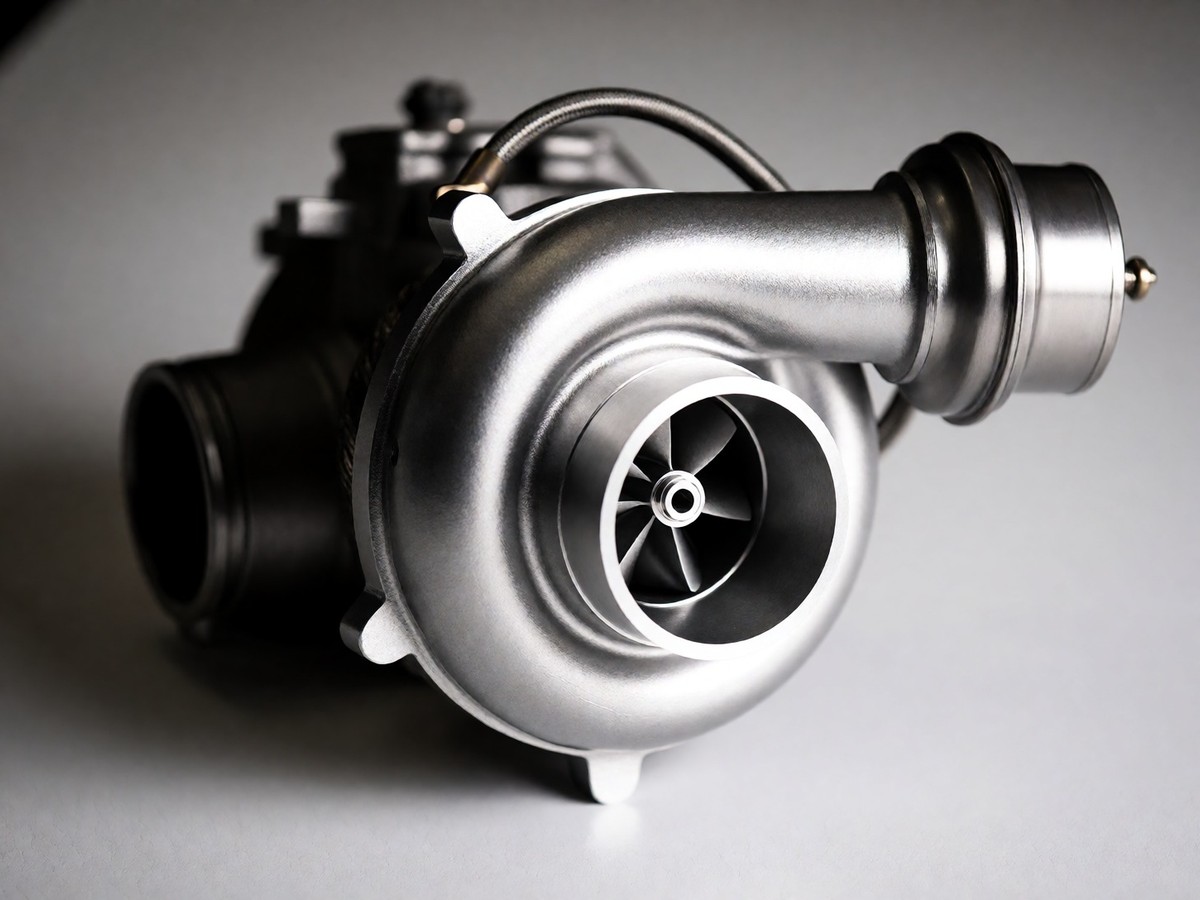
Honda engineers found no hardware faults after returning power units to Sakura to investigate driveability issues reported by Fernando Alonso at the Marina Bay Street Circuit. The manufacturer struggled with turbo lag, which caused unstable acceleration for the driver during the race. While Honda introduced a new turbocharger in Madrid using a second ADUO token to eliminate the problem, Shintaro Orihara revealed that the unique track layout and the energy-rich situation in Singapore caused the turbo lag to reappear unexpectedly. This issue previously hampered driveability with the new power unit specification introduced at Zandvoort. Honda’s investigation in Sakura focused on why the new hardware did not solve the delay between the driver pressing the accelerator and the turbo spooling up. Orihara admitted that the current control does not meet driver demands, which caused the unstable acceleration Alonso reported. This lack of a hardware fault suggests the same issue could arise again when Aston Martin returns to an energy-rich circuit.
I see that Honda is relying on software and settings to fix the turbo lag. Honda’s strategy relies on MGU-K harvesting to manage the turbo lag on energy-rich tracks. If the team has enough MGU-K harvesting power, the engine runs at a high operation point in the off-throttle sections, which helps the lag. However, the team struggled to get enough MGU-K harvesting value in Singapore because of the energy-rich situation. This meant the engine operation mode could not control the turbo lag, and MGU-K deployment alone was not enough to compensate for it. Orihara explained that while MGU-K deployment can help against turbo lag, it cannot compensate for it entirely. Honda is now preparing new countermeasures.
Aston Martin regroups after Singapore setback
I find that Aston Martin’s ability to regroup and learn from mistakes is the only way they can manage the disappointment following Singapore. Aston Martin expected the AMR26 to perform well in Singapore after a successful weekend in Malaysia, but the result disappointed the team. Mike Krack, the Aston Martin Chief Trackside Officer, attributed the setback to high expectations and what he calls "emotional dynamics." Krack noted that the outcome in Sepang raised expectation levels beyond what was realistic, making the disappointment in Singapore harder to handle. He also noted that simulation tools cannot fully capture how turbo lag or MGU-K issues affect drivability. Krack explained that these issues go beyond simple sensitivity simulations.
Alonso pointed to the power unit problems immediately after the race, noting that the competitive picture at Marina Bay was disappointing. Krack said the team must understand why they lost out in Singapore to take the right learning from the event. He noted that the team failed to manage a set of risks in Singapore, which added to the frustration. The team expects to head to Austin after regrouping from the Singapore setback.