Gary Anderson proposes 2.4-litre V8 engine for 2030 F1 regulations
Gary Anderson has proposed a new technical framework for 2030 Formula 1 regulations featuring a 2.4-litre normally-aspirated V8 engine with a 16,000rpm limit. The plan aims to reduce chassis weight to 700kg and increase driver control over energy harvesting.

Domenicali spoke to Darren Cox at the Axios x The Race Beyond the Race event in Las Vegas on Friday. F1 and the FIA announced a unanimous agreement for new V8 regulations for 2030. This decision follows criticism of current 50/50 turbo hybrid power units that have not completed their first season. Gary Anderson called the removal of the MGU-H at the request of Audi a "silly mistake" because it caused harvesting and deployment problems on energy-critical circuits. Anderson argues that drivers should have full control over harvesting and deployment instead of algorithms. He wants cars to be light, nimble, and capable of producing mean, angry noise. He suggests that the 2030 regulations allow the FIA and F1 to react to the needs of drivers, viewers, and enthusiasts.
Anderson’s technical specifications
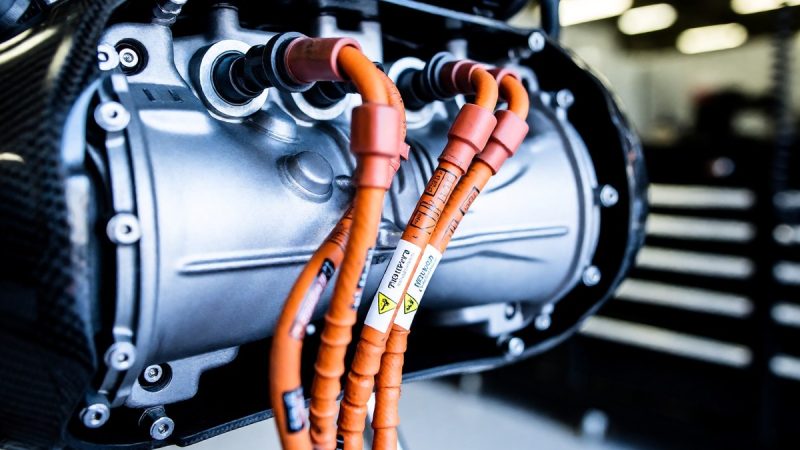
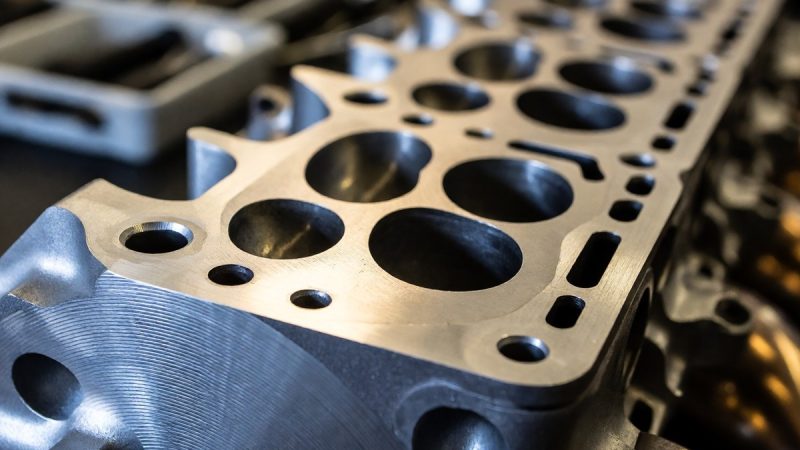
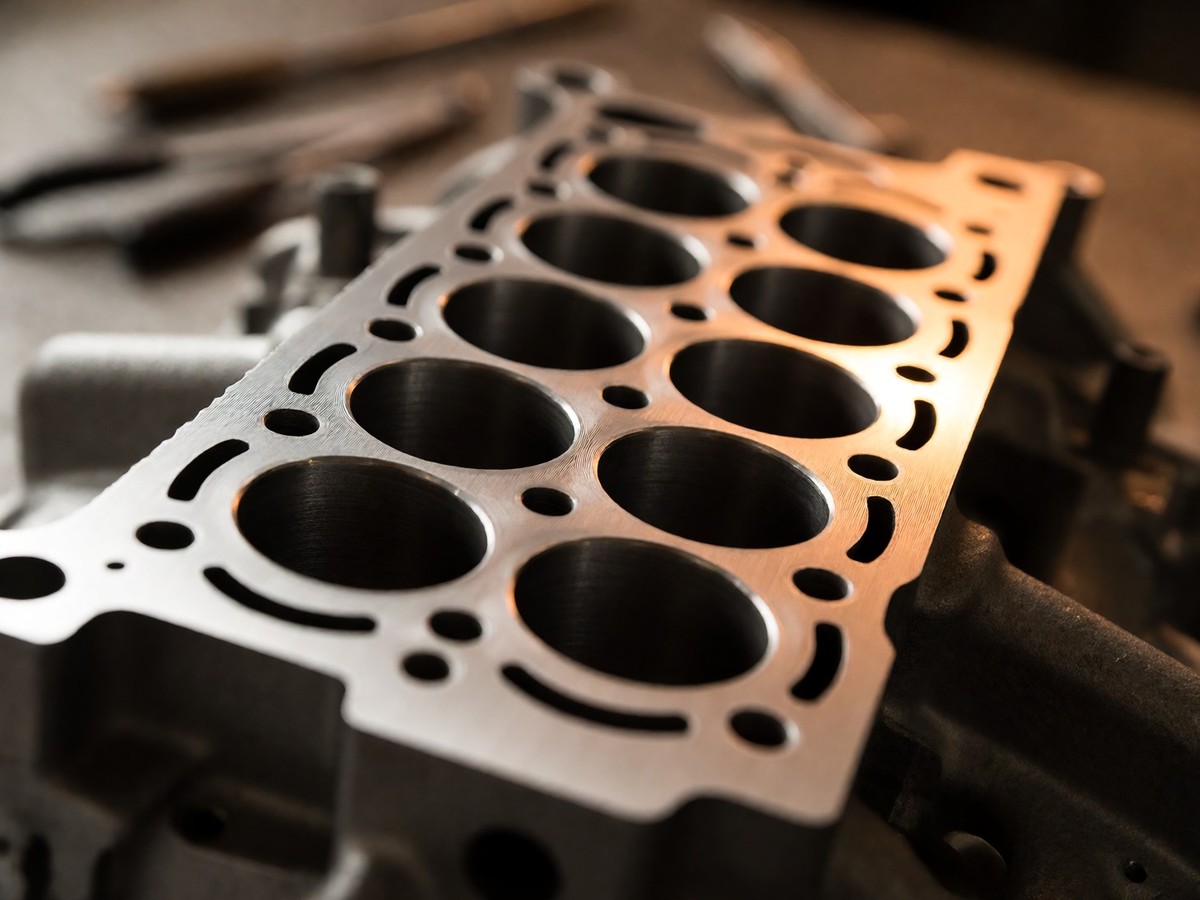
Anderson proposes a 700kg minimum chassis weight including the driver. He suggests reducing the overall maximum width by 10cm and the maximum wheelbase by 15cm to keep the aspect ratio similar to current cars. To prevent damage from car-to-car contact, he wants to reduce the overall front wing assembly width by 10cm and the width to the inside of the front wing endplate by 5cm, which keeps it in line with the inside of the front tyre. The front overhang should decrease by 10cm on the car centerline and by 5cm at 85cm from the centerline. The proposal includes a 2.4-litre normally-aspirated V8 engine with a 16,000rpm limit. The 2.4-litre engine, as opposed to the 2.1-litre engine F1 says it has already agreed to, would also produce reasonable torque compared to the current 1.6-litre turbocharged unit that uses 3.5bar absolute boost pressure. F1 engineers would face the challenge of designing more efficient combustion for advanced sustainable fuels. The MGU-K could use the current 350kW unit or a smaller 120kW unit to charge the battery under braking. Energy harvesting would ramp in at a rate relative to the throttle position and brake pressure applied by the driver. The proposed 2.4-litre engine would use a linear MGU-K harvesting ramp between 15,000rpm and 16,000rpm to ensure the engine noise remains at a maximum level during racing.
| Specification | Proposed Value |
|---|---|
| Minimum chassis weight | 700kg |
| Engine type | 2.4-litre V8 |
| Engine rev limit | 16,000rpm |
| Electrical power deployment | 50kW |
| Overtake mode power | 50kW for 10 seconds |
| Overtake mode rev limit | 16,500rpm |
Electrical power and driver control
The proposal uses 50kW of electrical power to fill torque deficits between 9,000rpm and 15,000rpm. From 9,000rpm to 12,000rpm, the power ramps up to 50kW. Between 12,000rpm and 15,000rpm, it ramps back down to zero. Anderson’s proposal creates a framework for 2030 power units that is highly viable. For standing starts or leaving the pits, the system provides a flat 50kW of electrical power until the car reaches 100km/h. If a driver stays within one second of the car in front at the start-finish line, "overtake mode" becomes available. This mode provides 50kW for 10 seconds and increases the hard rev limit from 16,000rpm to 16,500rpm when the driver presses the button. The system resets if no overtake occurs. The ECU hard-codes these ramps based on power unit rpm or car speed. The system calculates car speed using the average of the two front wheels, or the fastest front wheel if there is more than a 5% difference in speed during a lock-up. If both front wheels lock up, the 50kW of power could assist in getting the car moving or achieving a spin turn. The battery capacity would depend on the energy requirements for these electrical deployment and harvesting tasks. This system ensures the engine remains at high revs for maximum sound.