FIA engine cap threatens Mercedes customer contracts
The FIA plans to limit manufacturers to supplying only one customer team starting in 2030, a move that could force Alpine, McLaren, or Williams to find new power unit partners. Mercedes CEO Toto Wolff previously indicated a desire to reduce its current customer base.

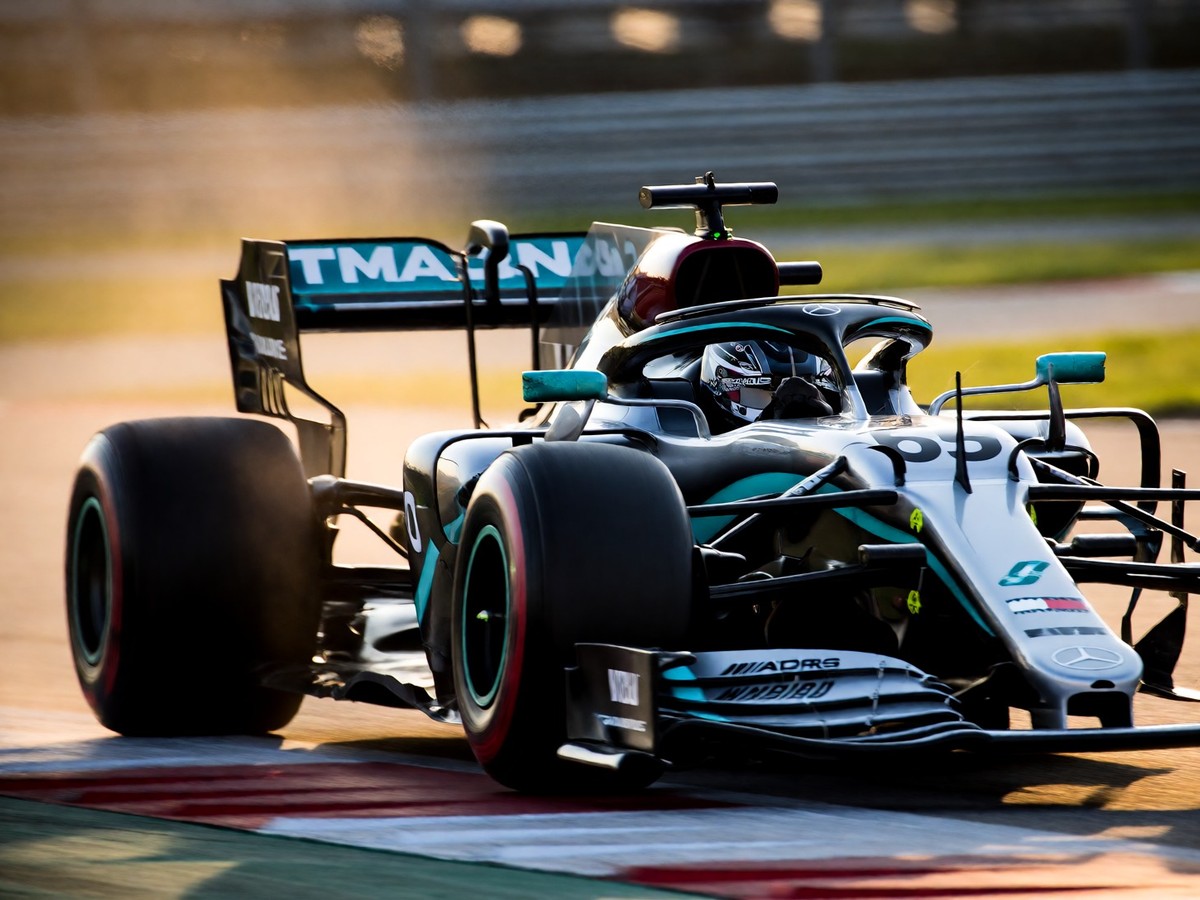
Mercedes faces customer loss as FIA eyes engine cap
The FIA prepares a controversial rule change that would cap the number of teams a manufacturer can supply with power units, a move that threatens to strip Mercedes of its paddock influence. Mercedes remains the main team set to be affected by the change, as they currently supply their own works team as well as McLaren, Alpine, and Williams. This planned cap will come simultaneously with the shift to V8 power in 2030, which gives both customer and supplier teams some time to make alternative arrangements. The proposed cap allows a manufacturer to power its own works team and only one other team, a move designed to reduce the political influence gained when multiple teams rely on a single power unit supplier. Mercedes CEO Toto Wolff said several months ago that he wanted to reduce the number of customer teams supplied by the German manufacturer by one. Ferrari expects to be unaffected by this move because Cadillac plans to supply its own V8 units from 2030 onward, which leaves Haas as the only customer for the Italian manufacturer. This change would leave Mercedes as the only team currently with a roadmap to supply multiple teams, unless a new engine manufacturer emerges or a team chooses to develop its own power unit.
The customer dilemma
The loss of customer contracts will force a difficult decision for McLaren, Alpine, and Williams. Both McLaren and Williams are currently fancying their chances of being the favoured Mercedes team. McLaren CEO Zak Brown admitted in Las Vegas that his team considered manufacturing its own engines but said, "It’s something we’ve looked at in the past, but we’re very happy with HPP." He added, "I think we’ve proven that we can win championships with them, so we don’t have any intention to have anything in the back of our car other than a Mercedes." Alpine cannot build its own engines because its parent company, Renault, divested its power unit factory. Williams will always be a customer team. If Mercedes selects McLaren and Williams as its preferred partners, Alpine will have to find a new source for its engines from Honda, Audi, or Cadillac. A new power unit project would be hugely costly for any team left without a supplier. As things stand, Audi, Cadillac, and Honda are only planning to supply their own teams with engines from 2030, so they could step in to help. This decision leaves two of McLaren, Alpine, and Williams staring down the barrel of finding new sources for the horses in their cars.
Engine performance in 2026
Current engine performance shows a wide gap in power output across the 2026 grid. Red Bull provides the most grunt according to the FIA ADUO metric, which only measures the Internal Combustion Engine portion of the power unit rather than any battery-related elements. There are some questions about that mark, as the metric ignores battery-related elements entirely. Mercedes follows Red Bull in this ranking. Ferrari, Audi, and Honda occupy the tier below Mercedes, but Honda’s engine is lagging significantly behind the rest of the grid.
| Team | Engine |
|---|---|
| Red Bull | Red Bull Powertrains |
| Racing Bulls | Red Bull Powertrains |
| Ferrari | Ferrari |
| Haas | Ferrari |
| Cadillac | Ferrari |
| Alpine | Mercedes |
| Mercedes | Mercedes |
| Williams | Mercedes |
| McLaren | Mercedes |
| Aston Martin | Honda |
| Audi | Audi |
The 2026 engine landscape relies on a few major players. Red Bull and Red Bull Powertrains provide power for both the Red Bull and Racing Bulls entries. Ferrari supplies the works team, Haas, and Cadillac. Mercedes remains the most prolific supplier, providing engines for its works team, Alpine, Williams, and McLaren.