F1 manufacturers agree to two-team engine supply limit for 2030
Six power unit manufacturers agreed to limit engine supplies to a maximum of two teams each for the 2030 season. This regulation could force Mercedes to drop customer teams like McLaren or Williams to comply with the new framework aimed at reducing political influence.

The 2030 engine framework and supply caps
The six power unit manufacturers for 2030 agreed to limit engine supplies to a maximum of two teams each. This restriction includes each manufacturer’s works team, meaning only one additional engine supply exists for a customer outfit. Mercedes could face a significant shake-up because it currently supplies three customer teams: McLaren, Williams, and Alpine. The FIA World Motor Sport Council will consider the regulatory framework in Shanghai next month, which could force Mercedes to drop two of its current customers, McLaren, Williams, and Alpine, to comply with the two-team limit. This agreement aims to reduce the political influence of manufacturers that supply a large portion of the grid. The FIA included a safety net where a departing manufacturer’s intellectual property transfers to the FIA, which allows the governing body to assign it to a new manufacturer if a manufacturer exits the sport. An obligation to supply provision also remains, which allows the FIA to require a manufacturer to supply a third team if an outfit cannot secure an engine agreement. However, manufacturers must accept that supplying F1 engines remains a loss-making operation, as the price remains capped at $18 million per season.
Mercedes customer relationships
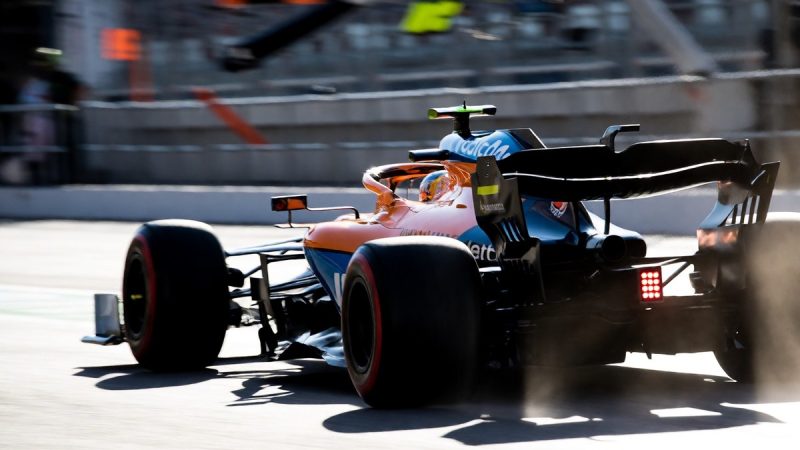
McLaren and Williams intend to remain with Mercedes. Zak Brown, the McLaren CEO, said the team has no intention of moving away from its current partner. "It’s something we’ve looked at in the past, but we’re very happy with HPP," Brown said in Las Vegas. He added, "I think we’ve proven that we can win championships with them, so we don’t have any intention to have anything in the back of our car other than a Mercedes." Mercedes CEO Toto Wolff maintains that a win for a customer is a feather in the cap for HPP and provides a chassis benchmark for the works operation. However, the relationship between Mercedes High Performance Powertrains and McLaren experienced strain earlier this year because of a knowledge gap regarding how to deploy complex power units. The proposed shift will create political intrigue in the F1 paddock as teams scramble to secure a reliable power unit supplier or conclude deals with less desirable options. Ferrari currently supplies Haas and Cadillac, but Cadillac will move to in-house General Motors engines in 2030. This transition means the question of Ferrari’s customer supply largely resolves itself while Red Bull Powertrains continues to supply both Red Bull Racing and Racing Bulls.
Engine specifications and cost limits
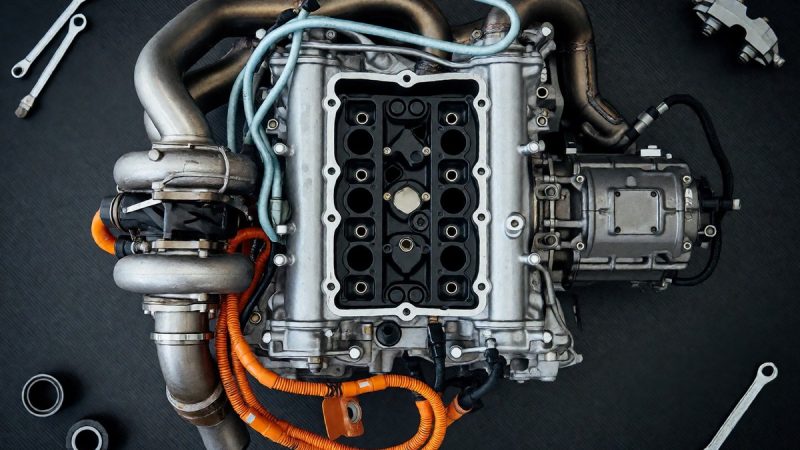
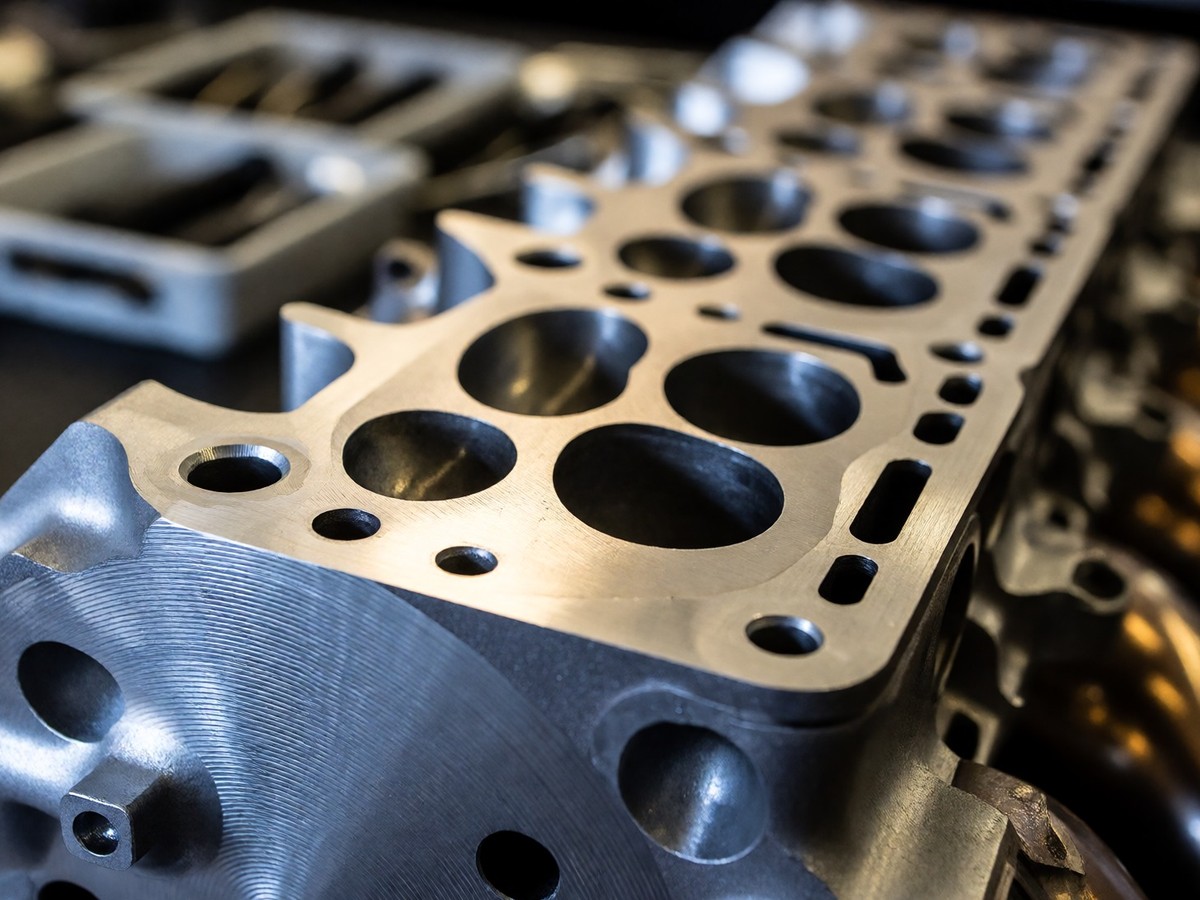
The 2030 regulations will return the championship to V8 power units using sustainable fuels. The inclusion of a turbocharger satisfies requirements from manufacturers like Audi and helps ensure engine noise stays at a suitable level for urban venues. This move satisfies the demand for simpler engines pursued by FIA president Mohammed Ben Sulayem and F1 chief Stefano Domenicali. The FIA also abandoned the idea of sourcing off-the-shelf, white-label engines.
| Specification | Detail |
|---|---|
| Engine Type | 2.1-litre V8 with turbocharger |
| Electric Power | 200 kilowatts |
| 2030 Cost Cap | $190 million |
| 2034 Cost Cap | $160 million |
| GM 2030 Cost Cap | $170 million |
The cost cap for the 2030-2034 period starts at $190 million in 2030. This figure falls by $7.5 million every year until it reaches $160 million for the 2034 season. General Motors will follow a different budget cap of $170 million for its first few years. To help manufacturers manage resources, F1 will implement a development freeze for current engines starting in 2028 and a ban on V8 dyno testing in the summer of 2028. This approach seeks to avoid the prospect of adapting to late changes from manufacturers, which led to the criticized 2026 formula. Audi, Aston Martin with Honda, and General Motors will each have a works team and one confirmed customer for the 2030 season.