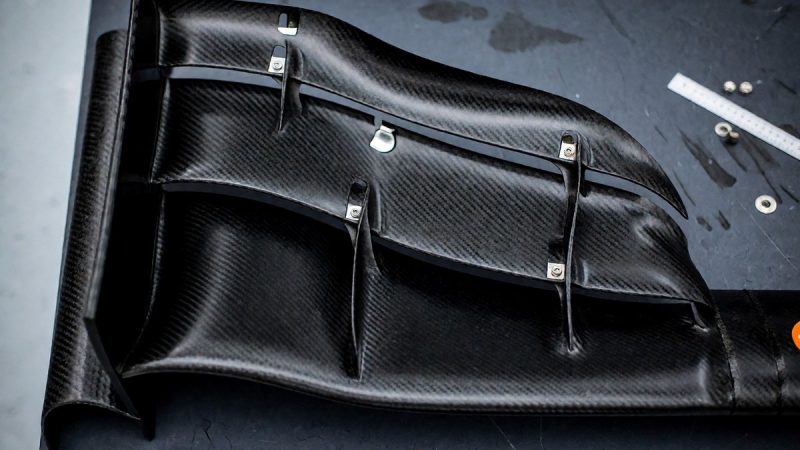
FIA standardizes wheel rim cover geometry to prevent aero advantages
The FIA is intervening in a technical dispute by mandating uniform rim cover shapes to stop teams like Red Bull and Mercedes from manipulating airflow. This standardization aims to reduce tire-induced turbulence and improve racing quality by stabilizing airflow for following cars.

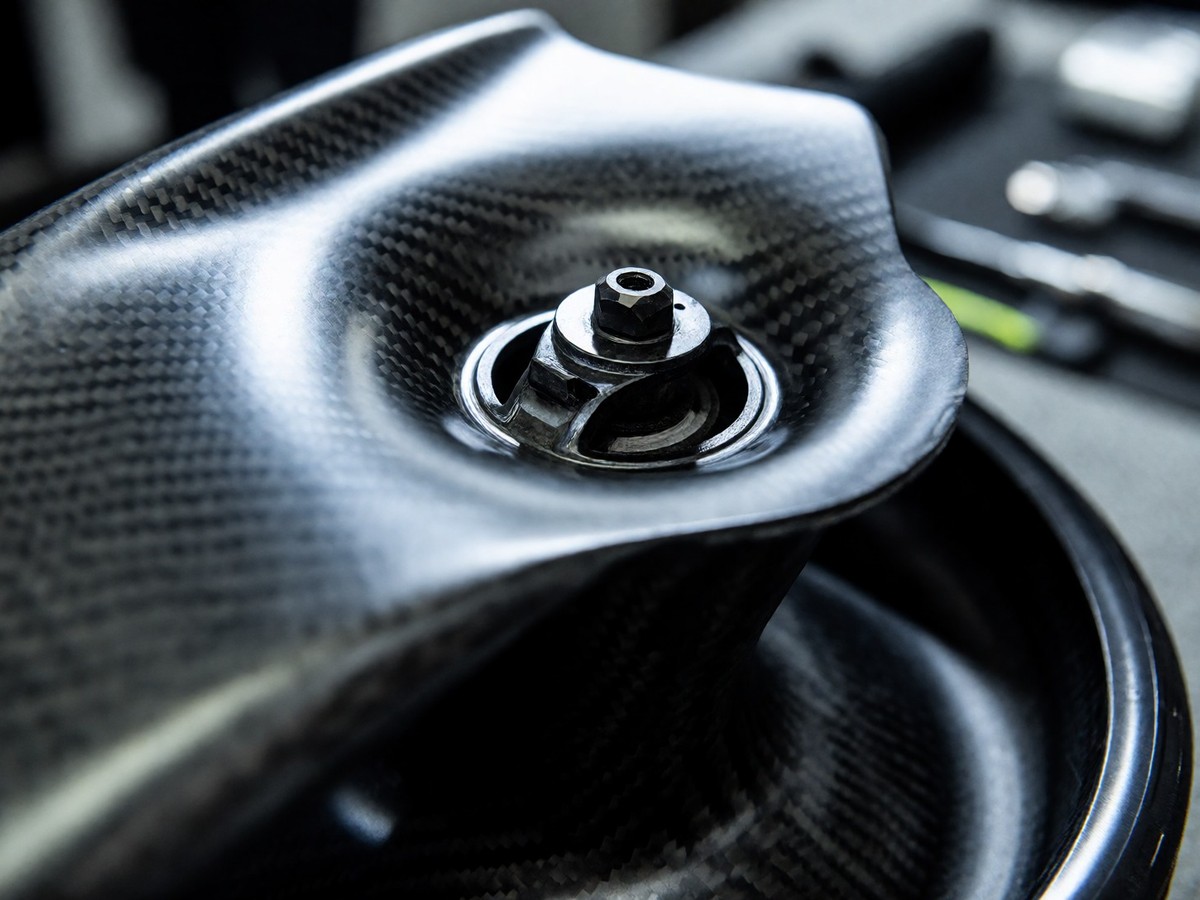
Standardizing rim cover geometry
The FIA is intervening in a "technical dispute" regarding wheel rim covers after several teams used different designs to manipulate airflow. I find the move necessary because the current variety in cover shapes creates an unfair aerodynamic advantage for certain teams. Red Bull and Mercedes use different profiles for their covers to manage the wake behind the wheels. These designs change how the air hits the rear of the car. The FIA wants to stop this aerodynamic trickery immediately. I believe the discrepancy between the different designs undermines the principle of competitive parity on the grid. Teams like Ferrari and McLaren also utilize unique shapes that change the pressure around the wheel well.
Unfair aero advantages
Teams use these covers to direct air away from the tires. This prevents the tires from creating as much dirty air. I think the current situation is messy and shows how teams exploit every tiny gap in the rules. The FIA decision aims to ensure all cars behave similarly in turbulent air, and it removes the aerodynamic advantage that some teams gained by using uniquely shaped covers to control the wake. I would call the existing covers a blatant attempt to bypass the "spirit of the regulations."
| Specification | Requirement |
|---|---|
| Cover material | Rigid composite |
| Surface finish | Non-reflective |
| Dimension limit | Standardized diameter |
| Attachment | Single-point fix |
The new rules mandate a specific, uniform shape for all rim covers to prevent teams from using custom geometry. This change affects the aerodynamic efficiency of the cars during high speed cornering. I find the teams’ attempts to circumvent the "original intent" of the aero rules to be quite pathetic. The FIA will monitor all cars at the next Grand Prix to ensure compliance. Teams must now rework their existing rim components to meet the strict measurement criteria set by the governing body. This change forces a change in how the air moves. I would suggest that the cost of these unplanned modifications will hit the smaller teams the hardest.
The primary goal involves reducing the vortex strength produced by the rotating tire. These vortices disrupt the airflow sent toward the rear wing. I find the previous designs to be a clear way to hide the massive turbulence produced by the wheels. By standardizing the cover, the FIA tries to stabilize the airflow for following cars. This move should improve racing quality by allowing cars to follow more closely through high speed turns. I think the technical delay from some teams will be significant as they redesign the mounting brackets due to the new requirements.