FIA camera deployment and diffuser scrutiny at Spa
FIA officials use nose-mounted cameras at the Belgian Grand Prix to monitor front wing deformation and aerodynamic load deflection. This data collection follows technical disputes between Mercedes and Ferrari regarding diffuser designs and floor stay loopholes.

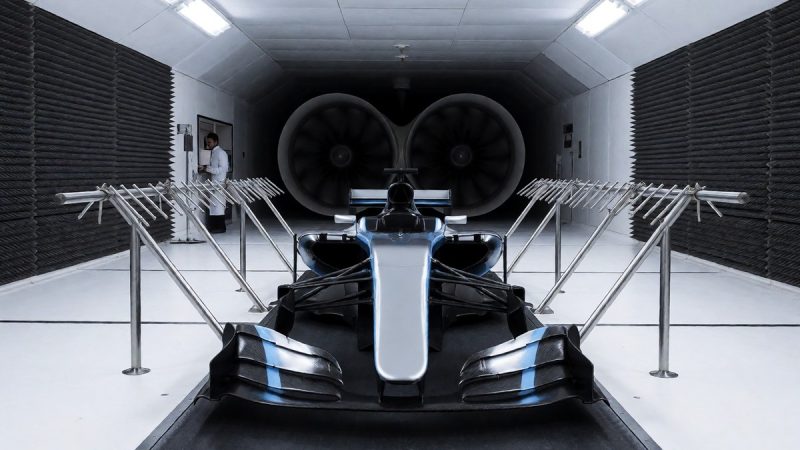
Mercedes, Ferrari, and McLaren run extra cameras in Belgian GP practice to help the FIA understand how front wings flex under aerodynamic load through video footage captured from the nose. The FIA decided to measure overall front wing deformation at several events using cameras installed on the nose to provide a sideways view that the FOM forward-facing cameras cannot achieve. This data collection helps the FIA define future regulations by observing how bodywork behaves on track. The FOM cameras miss the large outboard parts of the wing, so the FIA nose cameras offer the necessary perspective. Mercedes trackside engineering director Andrew Shovlin said the team is not concerned about the regulation because every part subject to a deflection test is designed to pass.
Mercedes diffuser design and the FIA response
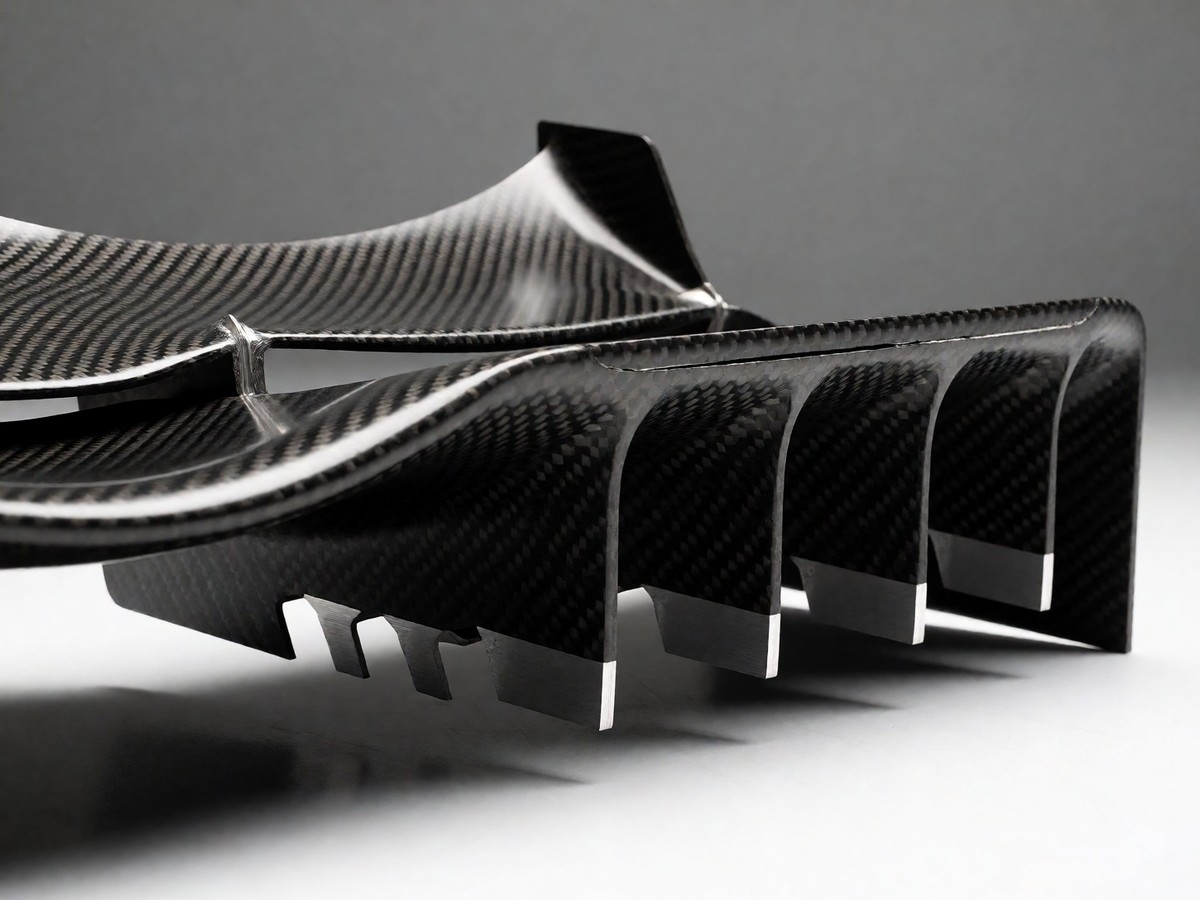
Mercedes introduced a design with serrated wedges along the trailing edge of the diffuser. This addition increased the efficiency of the diffuser. It also helped feed airflow to the rear wing. The design appeared at the Canadian Grand Prix and caused friction with Ferrari. Ferrari requested clarification from the FIA after seeing the Mercedes W17 configuration. Red Bull also joined the complaints. The FIA issued a technical directive after the Barcelona Grand Prix to stop this practice. Mercedes made minor tweaks to the diffuser in Austria to comply with the new FIA doc. Racing Bulls also had to adjust its design. Haas did not need to change its car because its design was not as extreme.
The technical loophole and Article C3.26
Teams found a way to use these extensions through Article C3.2.6. They used metal floor stays to stop the bodywork from flexing at high loads. This allowed the use of edge and fillet radii to smooth sharp edges. These fillets must blend tangentially with the surfaces and fit within an acute circular cone. Mercedes, Racing Bulls, and Haas all used different interpretations of these rules. Ferrari warned that if the Mercedes idea received approval, it could lead to extreme solutions like spiked areas near the wheels that might cause punctures. The FIA decided to stop the use of the floor stay and edge radius trick for aerodynamic purposes. You can see how the FIA uses these rules to maintain competition.
Strict load testing for wing components
The FIA implements strict load tests to maintain fairness. The organization uses these tests to prevent teams from exploiting aerodynamic flexibility. The regulations define specific limits for vertical deflection. The FIA reduced rear wing tolerances from 2mm to 0.75mm in China and to 0.5mm in Japan. Front wing tests are also more stringent. The following table details the current testing specifications for wing components.
| Component | Load Condition | Deflection Limit |
|---|---|---|
| Rear Wing | 75kg vertical load | 0.5mm to 0.75mm (slot gap) |
| Front Wing | 100kg symmetric load | 10mm max |
| Front Wing | 100kg asymmetric load | 15mm max |
| Front Wing | 6kg point load | 3mm max (trailing edge) |
The FIA requires 100kg of load for symmetric deflection checks on the front wing. Any part of the trailing edge of a front wing flap must deflect no more than 3mm when a 6kg point load is applied. The FIA single seater director Nikolas Tombazis said the organization will continue to define loads for next year to maintain fairness. Will the FIA introduce even tighter deflection limits after the Belgian Grand Prix?
Energy management at Spa
Energy management defines the 2026 season. The Belgian Grand Prix is a demanding test for the new power units because of the circuit layout. There are five straight-line mode zones: the run to La Source, the Eau Rouge and Raidillon stretch, the Kemmel Straight, the section after Stavelot, and the blast from Blanchimont into the Bus Stop. These zones create a sequence of acceleration areas broken by few heavy braking events. The 2026 power units use 350kW MGU-K deployment. This makes electrical deployment the most important factor for lap time. Honda technical leadership described this as the toughest energy management examination for the new units. Recovery opportunities are limited despite the length of the circuit.
Championship standings and technical issues
Kimi Antonelli leads the drivers’ championship with 179 points. George Russell follows with 154 points. Lewis Hamilton holds third with 147 points. Charles Leclerc has 108 points. Lando Norris has 97 points. Oscar Piastri has 82 points. Max Verstappen has 76 points. The cushion Antonelli built has been cut to 25 points by his teammate. Mercedes leads the constructors’ championship with 333 points. Ferrari has 255 points. McLaren is third with 179 points. Red Bull is fourth with 128 points. Reliability issues cost Kimi Antonelli a probable victory at the British Grand Prix when a wheel shield failed. Max Verstappen also criticized the RB22 after a technical issue caused a crash.
Ground effect history and porpoising
Ground effect was reintroduced in 2022 to reduce dirty air and improve overtaking. This method uses the underbody to create low pressure and pull the car toward the track. The 2022 regulations use venturi tunnels to generate downforce. This sensitivity to ride height caused porpoising in 2022. Mercedes experienced severe bouncing that led to driver complaints about discomfort. The FIA responded with technical directives to limit vertical oscillations and raise floor edges. Ground effect first appeared in the late 1970s and changed F1 design. Colin Chapman of Team Lotus introduced the Lotus 78 in 1977. Mario Andretti drove the Lotus 79 to the 1978 World Championship. The FIA banned ground effect in 1983 to prioritize safety.
The engineering hiring market
The technical demands of 2026 create a tight hiring market. Teams need engineers who understand deployment strategy and energy management. These professionals must model how electrical energy behaves across a lap. The summer break provides a window for these conversations. The shutdown is not a pause in the hiring market but a productive fortnight. Engineers have space to discuss career changes during this period. Honda is already targeting power unit upgrades for the Dutch Grand Prix. Teams that come back in September with the engineers they need started their conversations in July.