How 2026 fuel flow limits impact Haas and Magnussen strategy
New energy-based fuel flow limits of 3000Mj/hr and a reduced 70kg race fuel allowance force a strategic trade-off between engine performance and car agility. Haas must balance Ferrari engine efficiency with Kevin Magnussen's fuel load management at the Yas Marina Circuit.

The energy-based fuel flow constraint
The FIA replaced the mass-based fuel flow measurement with an energy-based formula of Megajoules per hour. This change moves the limit from 100kg/hr to approximately 70kg/hr or 3000Mj/hr. The total race fuel allowance also decreased from 110kg to 70kg. This 40kg reduction changes the car’s weight at the start of the race. I see this shift to energy-based measurement as the primary driver for the change in team strategy. Teams must now calculate fuel consumption based on the energy density of the advanced sustainable fuel. Because the 2026 regulations use 100% sustainable fuel, the energy-based formula dictates how much power the internal combustion engine can produce. This new limit forces a direct trade-off between engine performance and the total mass of the fuel on board.
The engine performance depends on the fuel’s energy density. The 1.6-liter 90-degree V6 turbo engine must operate within a 350bar maximum fuel pressure. This pressure works alongside a 16:1 compression ratio to maximize efficiency. If a team uses more energy per kilogram of fuel, they must carry less total mass to stay under the 70kg limit. This mass reduction helps the car’s agility, but it also limits how much power the engine can sustain throughout the race.
The 50/50 power split
The 2026 power unit uses a 50/50 split between the internal combustion engine and the electronic components. The internal combustion engine delivers approximately 400kW of power. The MGU-K provides 350kW, which equates to 469hp. This represents a massive jump from the 120kW provided by the MGU-K in previous years. The removal of the MGU-H means the car lacks the ability to harvest heat from exhaust gases. Because the MGU-H no longer exists to keep the turbo spinning, drivers must manage the increased turbo lag that results from this loss of energy recovery.
The electrical side of the power unit now does as much work as the engine. This change makes the technology more similar to road cars. The MGU-K is larger than previous versions and its cabling must be a minimum of 16kg. The geared connection to the engine is separately allocated 4kg. The battery must also be larger to accommodate these requirements. Because the battery and MGU-K sit within the survival cell, they require cooling with dielectric fluid. These electrical units work to balance the power during acceleration and deceleration.
Ferrari engine development and Haas
Ayao Komatsu leads the Haas F1 Team and he extended the technical relationship with Scuderia Ferrari until 2028. Haas relies on Ferrari power units for stability during this period of regulation changes. Ferrari faces a specific challenge because the FIA found its engine ran more than four percent behind the season benchmark. The team uses extra development tokens under the Additional Development and Upgrade Opportunities scheme to address this. These tokens allow Ferrari to introduce upgraded specifications of the internal combustion engine, turbocharger, or MGU-K.
The rulebook says these tokens allow for upgrades beyond a normal season allocation. However, the driver still faces a ten-place grid penalty for the first time they exceed their season allocation. This penalty applies to the first event where the replacement element is used. Ferrari must decide when to take these hits to improve competitiveness. The team must balance the need for a faster engine with the loss of track position. I think the decision to use an upgrade involves a complex calculation of points versus grid position.
Magnussen at the Yas Marina Circuit
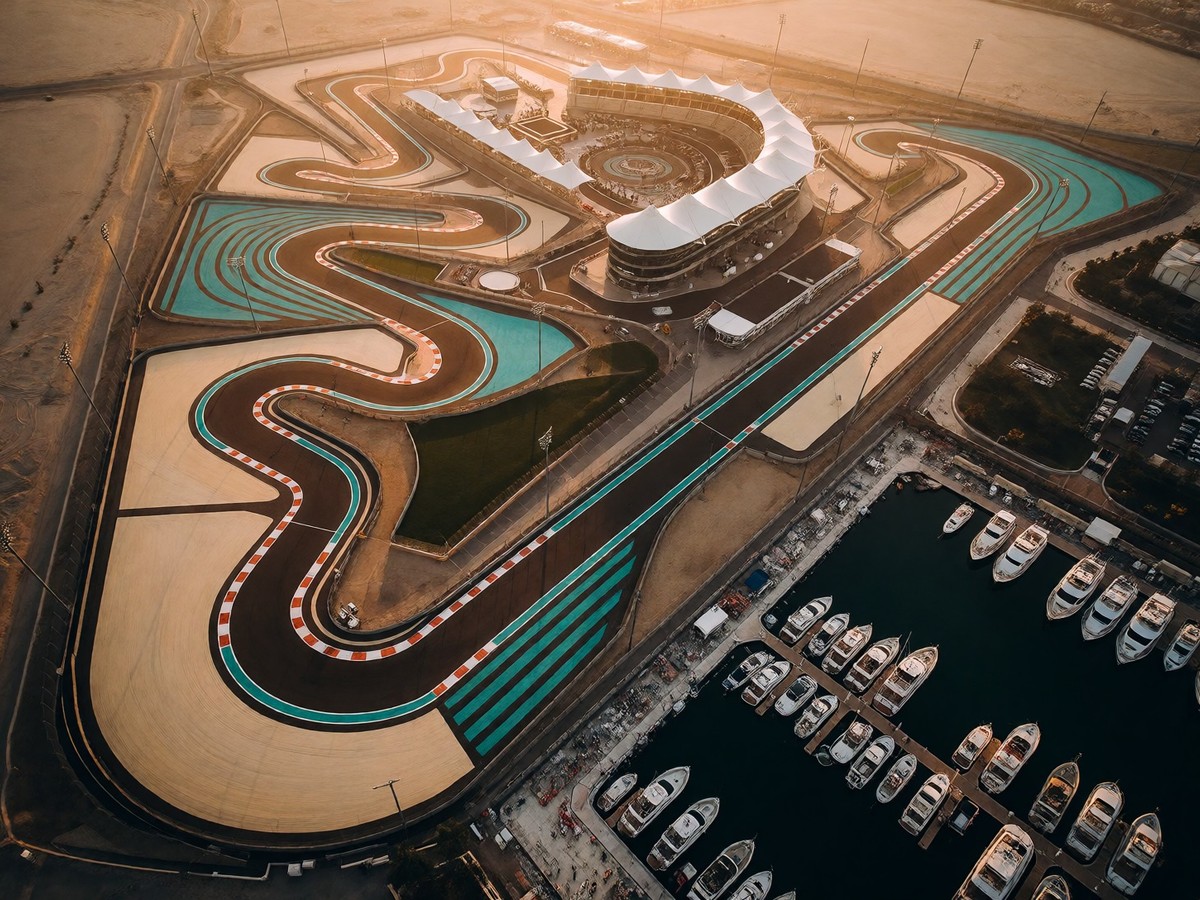
The Yas Marina Circuit in Abu Dhabi is a 5.281-kilometer track with 16 turns. Kevin Magnussen must manage his fuel load and energy deployment on this layout. He has experienced significant racing action at this circuit in the past. In one previous Abu Dhabi race, he surged from P14 to P7 on the opening lap. He also set the fastest lap of the race on his final racing lap. He also faced a spin at turn 7 after being tipped by Valtteri Bottas.
The track features long straights and heavy braking zones. This environment tests the MGU-K’s ability to recover energy. Magnussen must use the energy harvested during braking to fuel his acceleration out of the corners. The 3400mm wheelbase of the Haas car provides stability, but the driver must still manage the car’s agility. You should watch how the energy deployment affects the overtaking attempts at the end of the long straights.
2026 Power Unit Specifications
| Component | 2026 Specification |
|---|---|
| Internal Combustion Engine | 1.6-liter V6 turbo (400kW) |
| MGU-K Power | 350kW (469hp) |
| Power Split Ratio | 50% ICE / 50% Electrical |
| Fuel Flow Limit | ~3000Mj/hr |
| Race Fuel Allowance | 70kg |
| Energy Recovery per Lap | 9MJ |
| Energy Deployment per Burst | 4MJ (11.5s duration) |
| Minimum Car Weight | 724kg |
Energy recovery and the MGU-K
The 2026 regulations allow for energy deployment bursts of up to 4MJ. Each burst lasts for 11.5 seconds. The power unit can recover up to 9MJ of energy per lap. This recovery happens when the driver brakes or lifts off the throttle. The MGU-K acts as a generator on deceleration to recharge the battery. Teams must plan their strategy to ensure the battery has enough capacity for these bursts.
The MGU-K harvests energy created from braking and the car’s deceleration. This energy goes into the Energy Store. The system is more powerful than the previous 120kW version. Because the MGU-K is geared directly to the engine, it provides a strong electric push. Drivers must choose when to save energy and when to spend it. A driver might give up pace on one lap to recharge the battery for a later attack.
| Feature | Detail |
|---|---|
| MGU-K Minimum Weight | 16kg |
| MGU-K Connection Weight | 4kg |
| Deployment Duration | 11.5 seconds |
| Recovery Limit | 9MJ per lap |
Aerodynamics and weight reduction
The 2026 cars are smaller than previous models. The wheelbase is 3400mm, which is 200mm shorter than the previous generation. The width is 190cm and the floor is 150mm narrower. The minimum weight for the car and driver is 724kg. This 30kg reduction from previous years should improve agility. The active aerodynamics system replaces the old DRS.
The front and rear wings move between "Corner Mode" and "Straight Mode" to manage drag and downforce. In Corner Mode, the wing flaps are closed and steep to create more downforce. This helps the car carry more speed through turns. In Straight Mode, the flaps flatten to reduce drag. This reduction in drag can reach up to 55%. This system helps the car stay quick without draining the battery as much. The 724kg weight limit includes the tires.
The strategic link between fuel and power
The 70kg fuel limit and the 3000Mj/hr energy flow limit dictate the strategy for Magnussen. If the Ferrari engine requires more energy to maintain the 400kW internal combustion engine output, Haas must adjust the fuel load. The 16:1 compression ratio and the 350bar maximum fuel pressure affect how the engine burns the sustainable fuel. Drivers must balance the need for power with the 70kg mass limit. I find that the interaction between fuel energy density and electrical deployment is the most difficult part of race engineering.
The reduction in fuel mass by 40kg changes the car’s behavior at the start of the race. Magnussen needs to manage the 70kg fuel load against the energy-based fuel flow limits. If the team runs a heavier fuel load, the car will be harder to handle in the corners. If the team runs a lighter fuel load, the engine may struggle to provide consistent power. The team must use simulations to decide which strategy gives them the best chance. How will the team manage the 70kg fuel mass if the engine efficiency fluctuates?