Las Vegas Grand Prix saw 350 position exchanges due to track conditions
Low track temperatures and slipstream effects caused over 350 position exchanges during the Las Vegas Grand Prix. Team principals James Vowles and Laurent Mekies noted that energy management and power deployment patterns drove the intense racing and frequent swaps.

High position volatility in Las Vegas
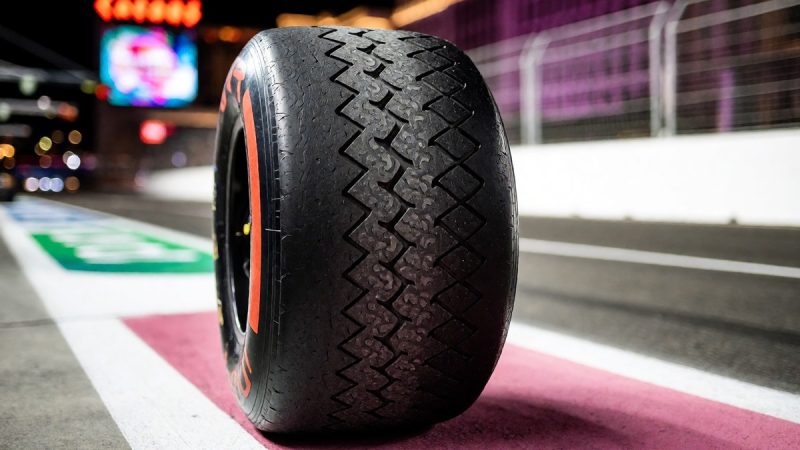
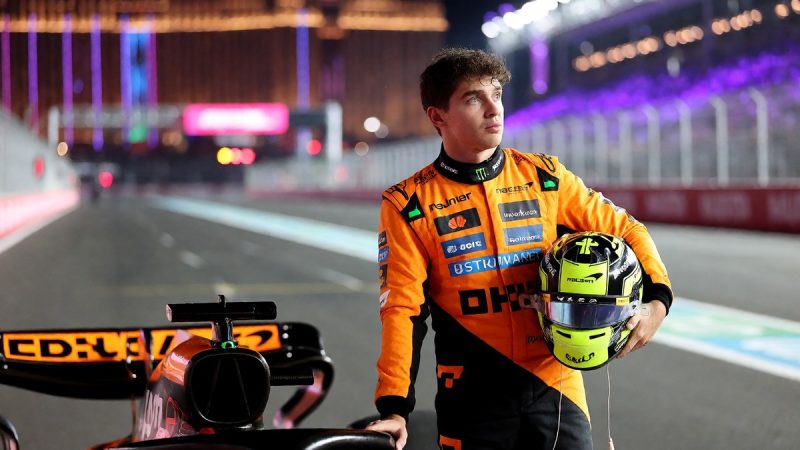
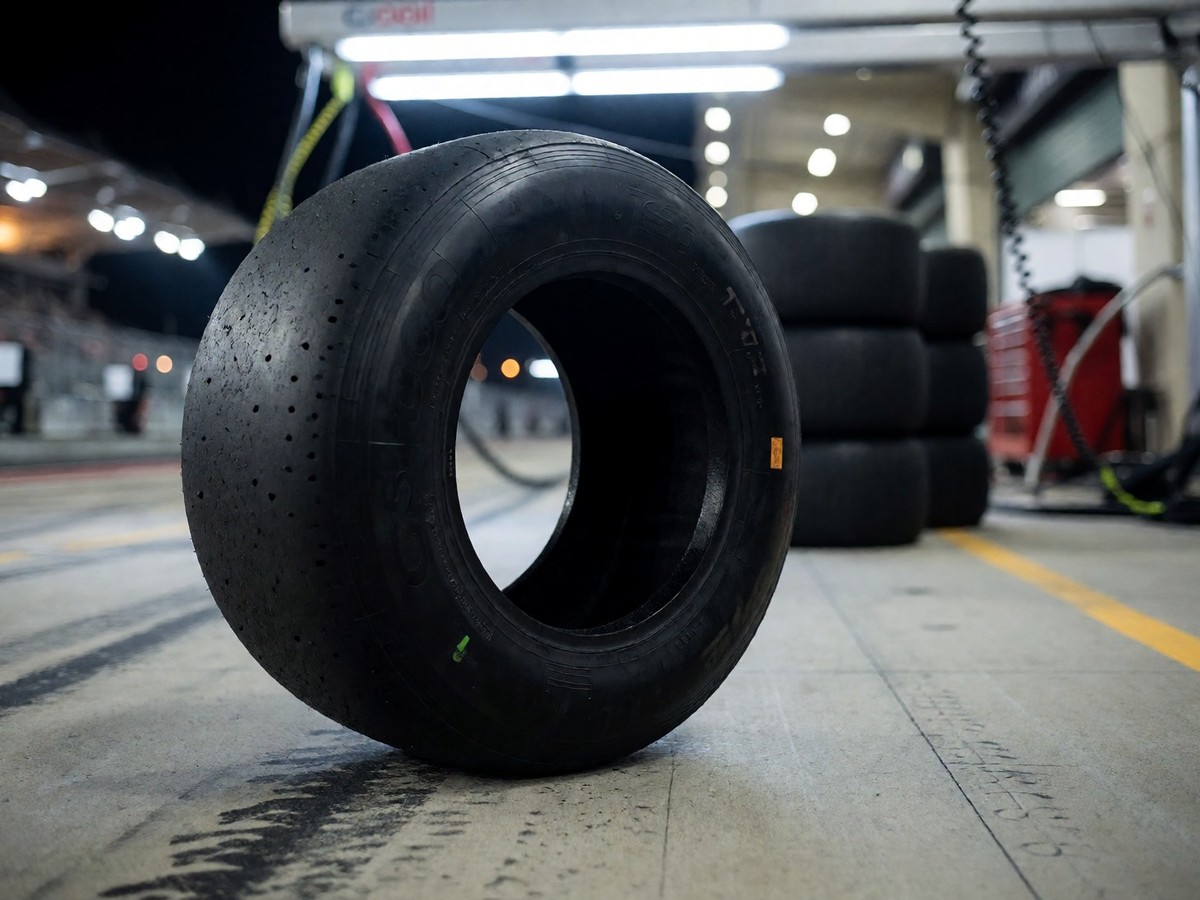
The Las Vegas Grand Prix produced over 350 position exchanges last weekend because low track temperatures and slipstream effects combined with specific energy harvesting limits. Multiple factors produced these exchanges, including Overtake Mode, the power of the slipstream, and low track temperatures. Low tire temperatures allowed drivers to push at maximum capacity, which created a benefit for those in the tow of other cars. James Vowles, the Williams team principal, explained that being the fourth, sixth, or seventh car in a sequence creates a powerful tow effect that benefits drivers trailing in that group. Lando Norris from McLaren observed that differences in power deployment patterns caused many swaps and noted that "some overtakes weren’t overtakes." Drivers reportedly slowed down before reaching detection points for Overtake Mode to ensure they passed through after the car ahead and gained a power boost. Vowles dismissed claims that drivers were manipulating the system and said they were "pushing to the absolute limit." Vowles also called the Las Vegas Grand Prix "great racing" and noted how Max Verstappen and Carlos Sainz discussed "chess play" strategies during the final lap. This unpredictable racing is clearly the best part of the weekend.
Future regulations and engine changes
New 2027 regulations will decrease the power of electrical systems relative to internal combustion engines, but teams expect the "yo-yo racing" to continue. Red Bull team principal Laurent Mekies said a 5% increase in fuel flow will not change the nature of the battles seen this year, as he thinks energy management will still provide "nice gaming possibilities" during races.
| Regulation Year | Engine Adjustment |
|---|---|
| 2027 Electrical Power | Decreased relative to ICE |
| 2027 Fuel Flow | 5% increase |
| 2028 Engine Step | Move toward flat-out racing |
Mekies also expects the sport to move closer to flat-out racing in 2028. Vowles believes the current regulations will not stop the intense swaps if teams recreate the conditions seen in Las Vegas. Lando Norris noted that drivers often swapped positions because of power deployment patterns. Vowles maintains that the race intensity remains high because drivers can still fight on the "last dying metres" of a track. The team principals suspect that tracks with limited electrical energy generation will still experience frequent swaps of position. Mekies predicts that 2027 and 2028 changes will move the sport toward flat-out racing, though increased battles will remain.